KernelsGuide
The Complete Guide to Debugging the Linux Kernel
A working method for Linux 6.12 kernel bugs: debug builds, reading oopses, runtime checkers, tracing, gdb in QEMU, hangs, and capturing crashes with kdump.
28 min read
Everything you need to level up your coding skills.
A working method for Linux 6.12 kernel bugs: debug builds, reading oopses, runtime checkers, tracing, gdb in QEMU, hangs, and capturing crashes with kdump.
Run ncu on one kernel, pick sections like SpeedOfLight and WarpStateStats, read the results and follow the rules for turning counters into a specific fix.
Write a Verilog blinking LED counter, simulate it with a testbench in Icarus Verilog, then see the Yosys report for an iCE40 FPGA build.
Use unshare and nsenter from a shell to create and join Linux namespaces, and watch hostnames, process lists and mounts change inside a new one.
Use setcap to give a binary only CAP_NET_BIND_SERVICE instead of making it setuid root, and see how the file capability bits change what the program can do.
Reading or writing past the end of a C array is undefined, yet it often runs without a crash. See where the extra bytes come from and why that luck is a trap.
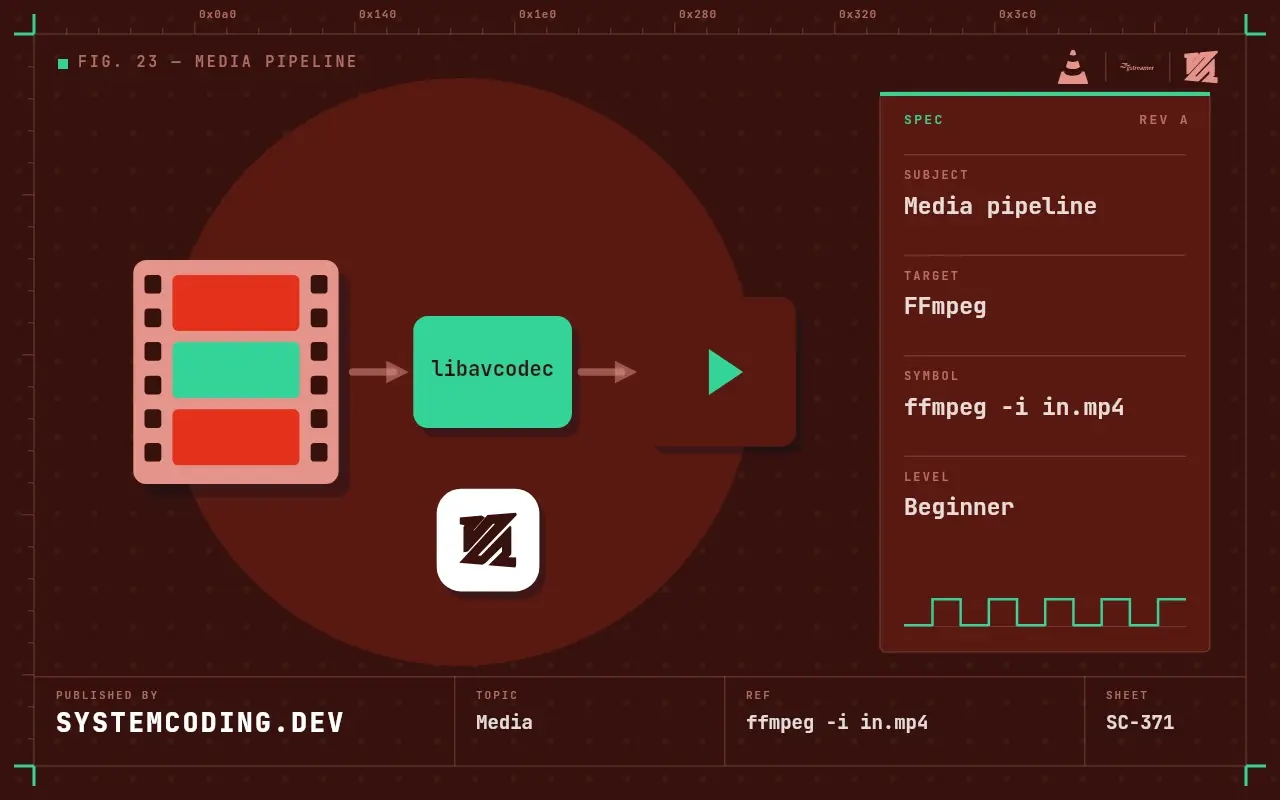
Install FFmpeg on Linux, macOS or Windows, then read its build banner and list its encoders so you know which codecs your copy can really write.
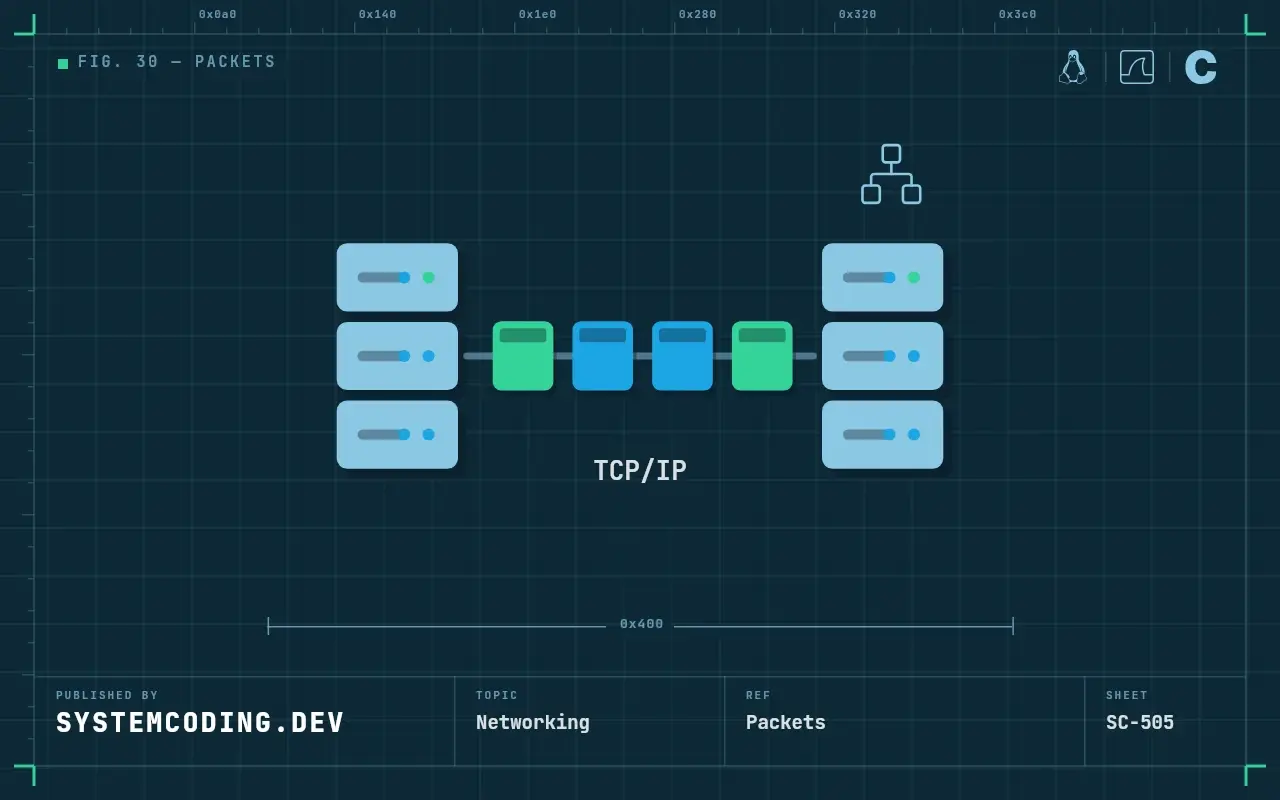
Build a TCP echo server in C with socket, bind, listen and accept, handle one client at a time, and check every error on Linux.
Build a TCP echo server with Tokio's TcpListener, spawn one task per connection and copy bytes back, then test it with a client over loopback.
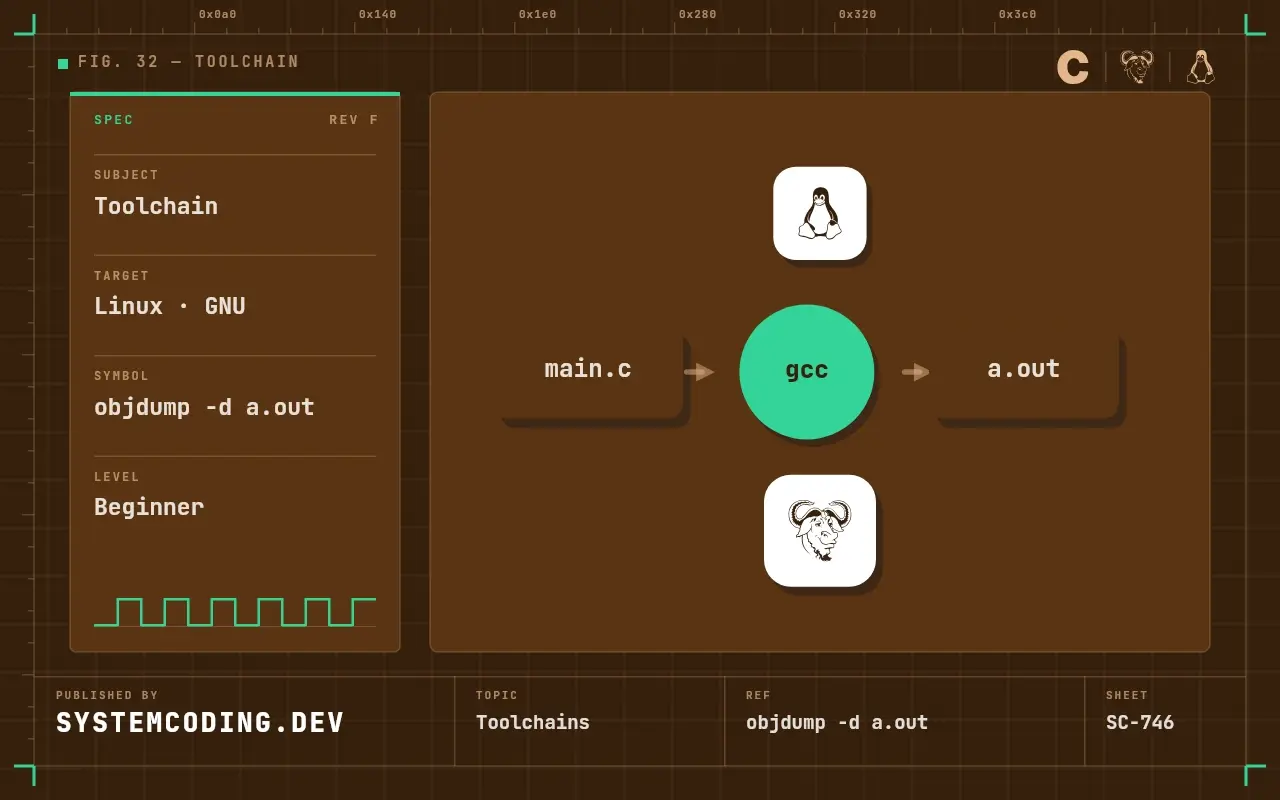
Bundle a Linux program with its libraries in one folder that runs from any path, using an $ORIGIN runpath, ldd to collect dependencies and a launcher check.
Use ltrace 0.7.3 on Linux to print the shared library calls a program makes, such as malloc and strcpy, with arguments and return values, and filter with -e.
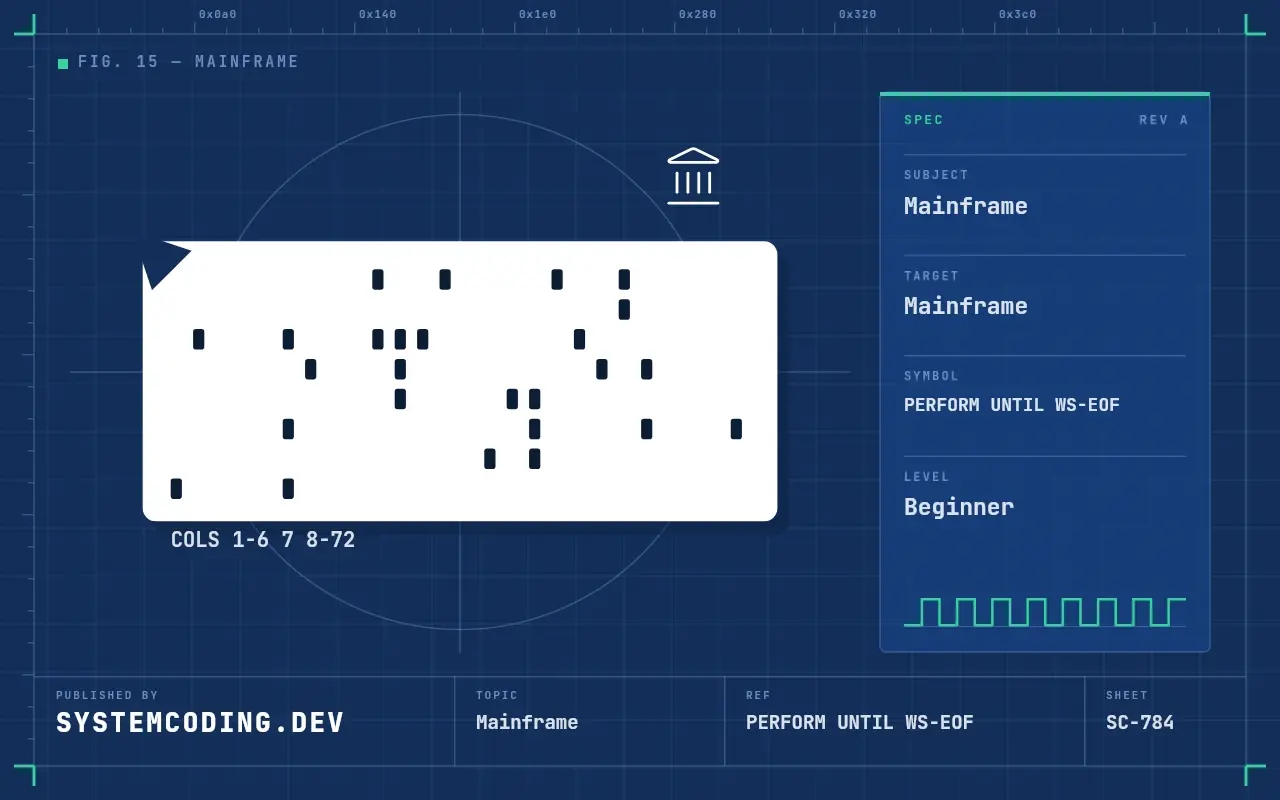
Every COBOL program has up to four divisions, identification, environment, data and procedure. See what each holds with a complete program and its output.
We send one email when a new post is published. No spam.