Systems Programming
Use Unnamed Semaphores in Shared Memory with sem_init
Use unnamed POSIX semaphores in a shared mapping with sem_init and pshared set to 1 to build a bounded producer and consumer buffer between forked processes.
7 min read
Everything you need to level up your coding skills.
Use unnamed POSIX semaphores in a shared mapping with sem_init and pshared set to 1 to build a bounded producer and consumer buffer between forked processes.
A spinlock burns a core while it waits and a mutex sleeps. Compare their costs, write a correct C11 spinlock, and see when user-space spinning beats a mutex.
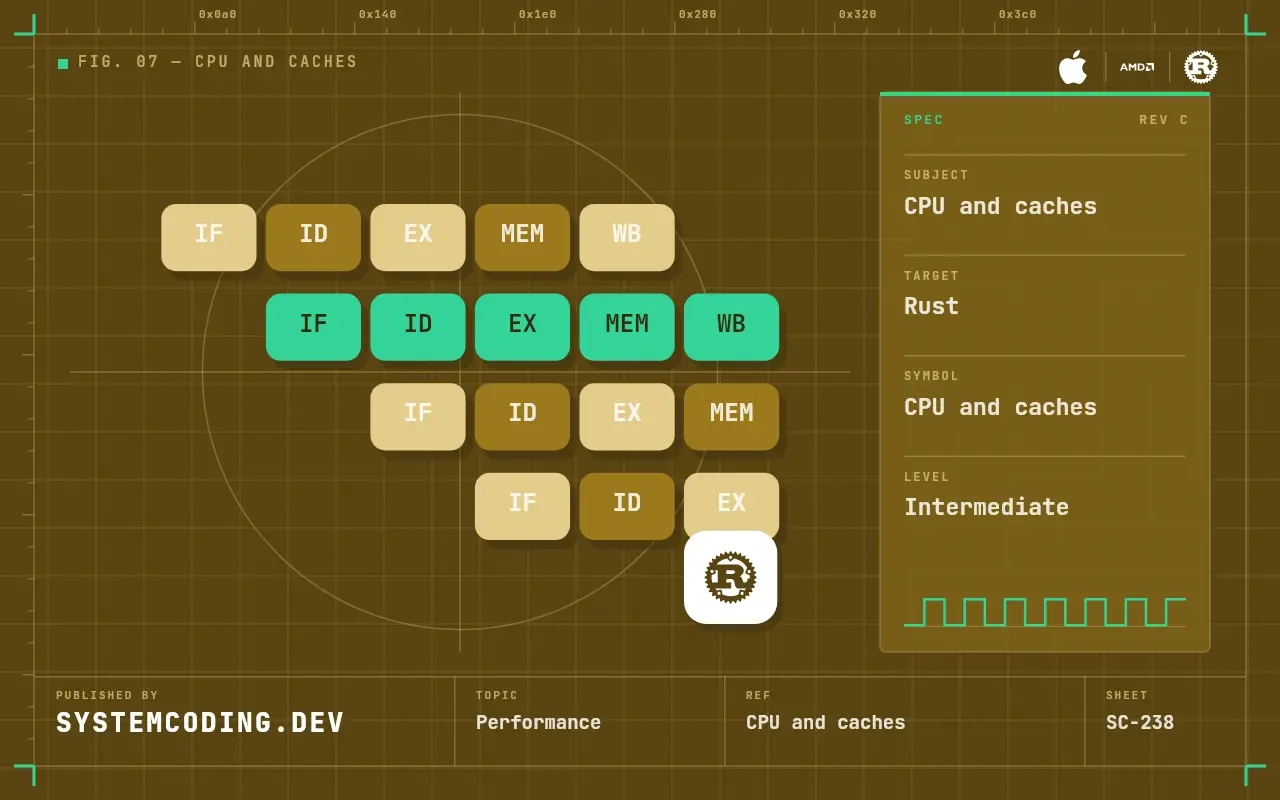
Wrap per-thread atomics in crossbeam_utils::CachePadded to keep each on its own cache line in Rust, with size checks, scoped threads and a repr(align) option.
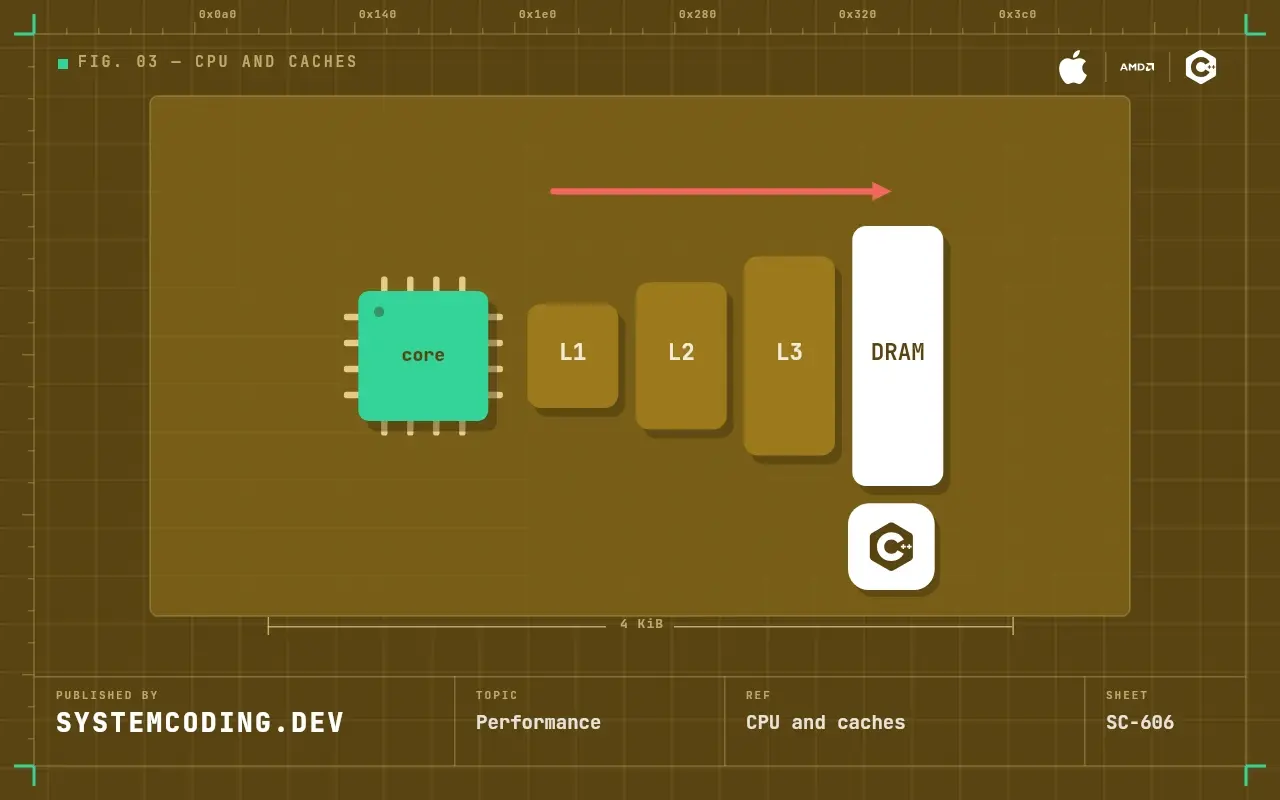
Use C++17's std::hardware_destructive_interference_size to pad against false sharing, with the feature-test macro, the GCC warning and a safe fallback constant.
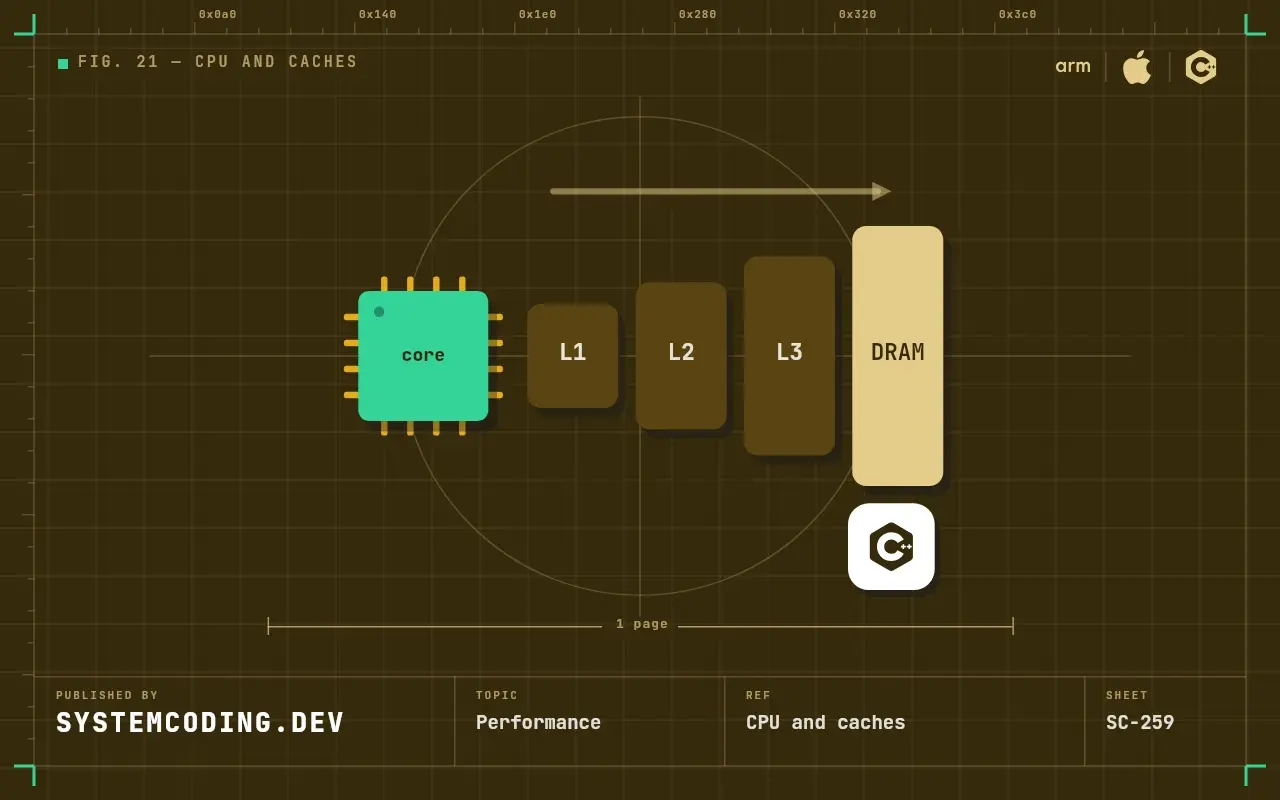
Fix false sharing in C++17 by giving each thread's data its own cache line with alignas(64), explicit padding, static_assert checks and aligned heap allocation.
Amdahl's law caps parallel speedup at one over the serial fraction. Work the numbers in C and see why a 95 percent parallel program tops out at 20 times.
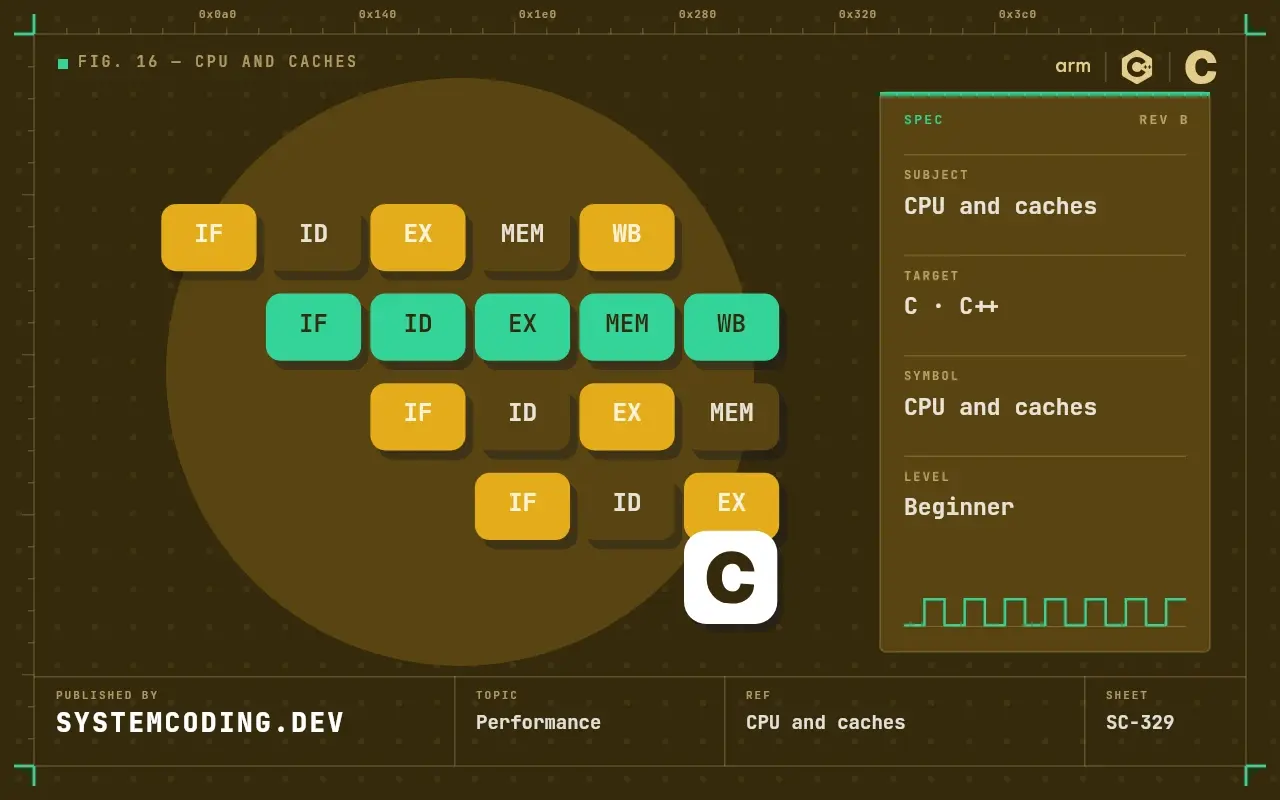
False sharing makes threads that write different variables slow each other down because they share a cache line. See it in a four-thread C counter.
Decide which OpenMP variables are shared, private, firstprivate or lastprivate, and use default(none) so the compiler forces you to state every choice.
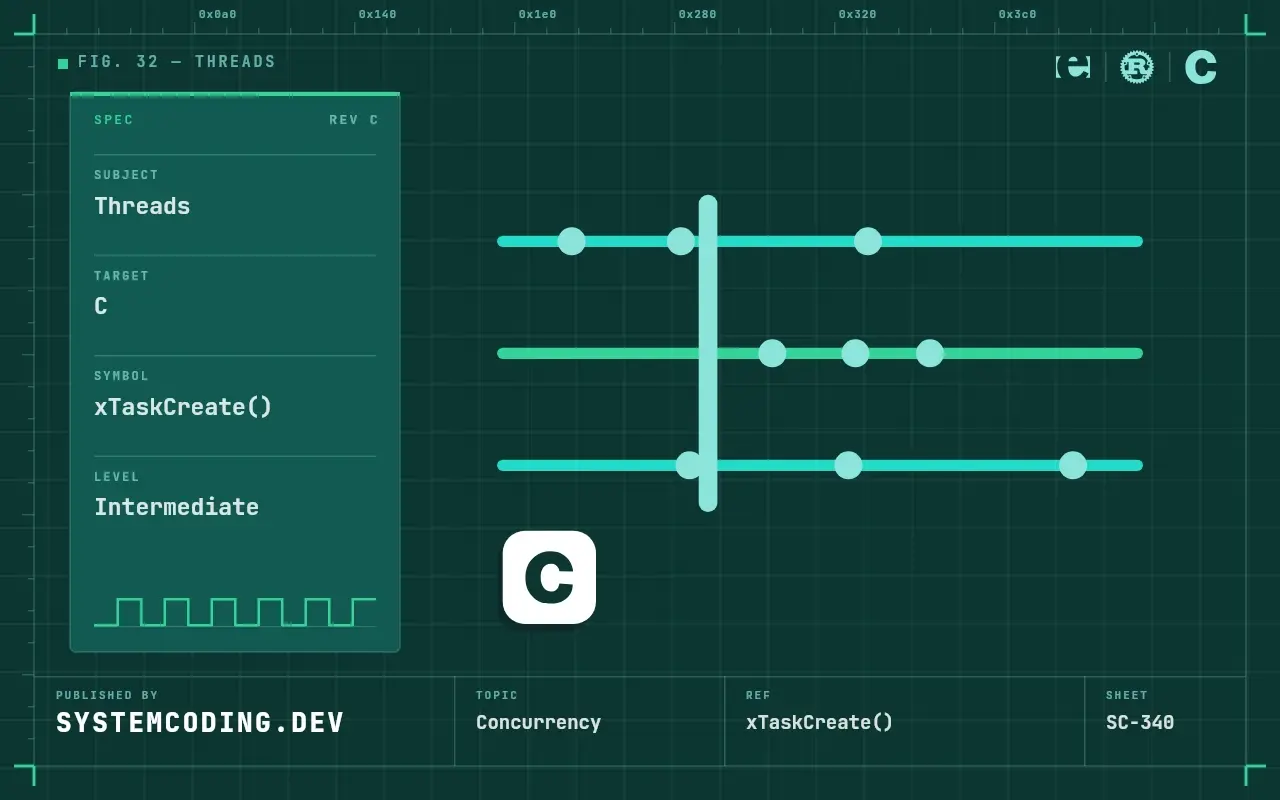
Parallelize recursive C code such as Fibonacci and tree walks with OpenMP tasks, taskwait and a cutoff, and see why a task per call runs slower than serial.
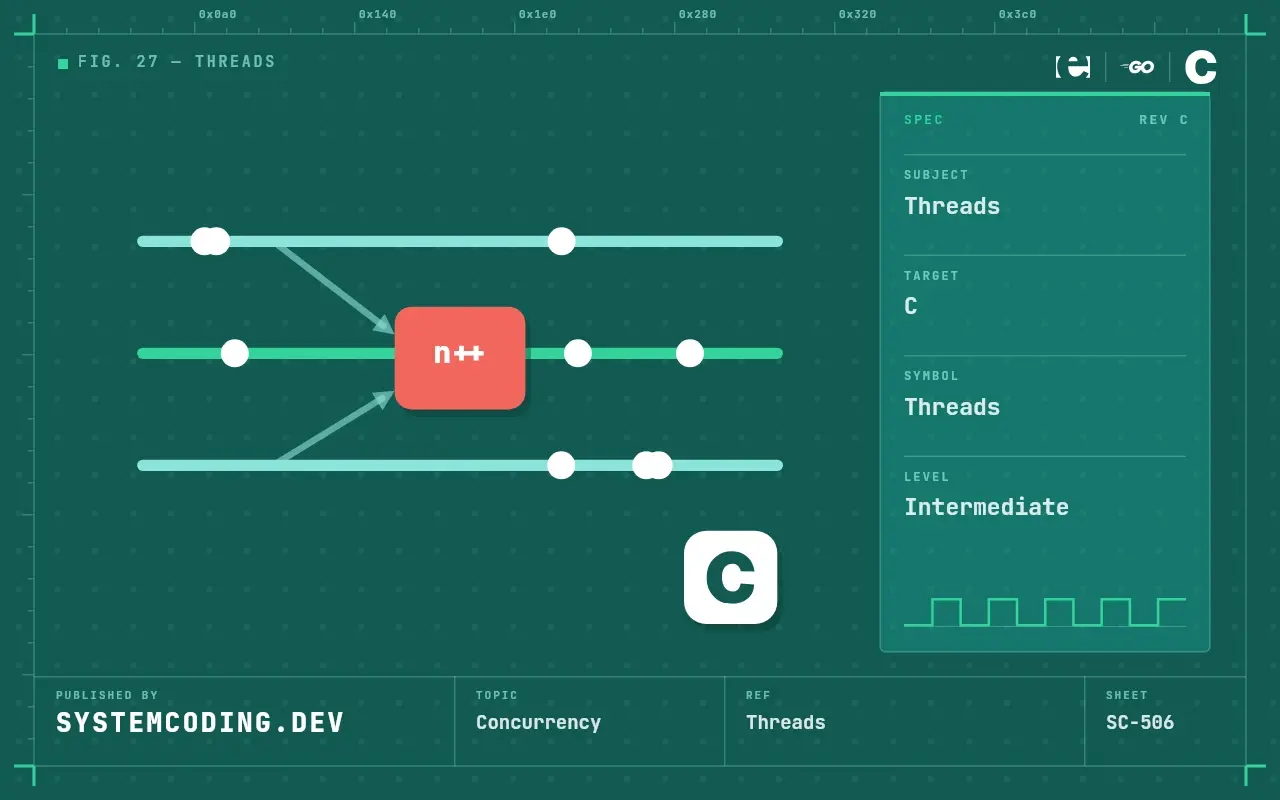
Pick the right OpenMP loop schedule by looking at how iteration cost varies, with deterministic examples of static, dynamic, guided and runtime scheduling.
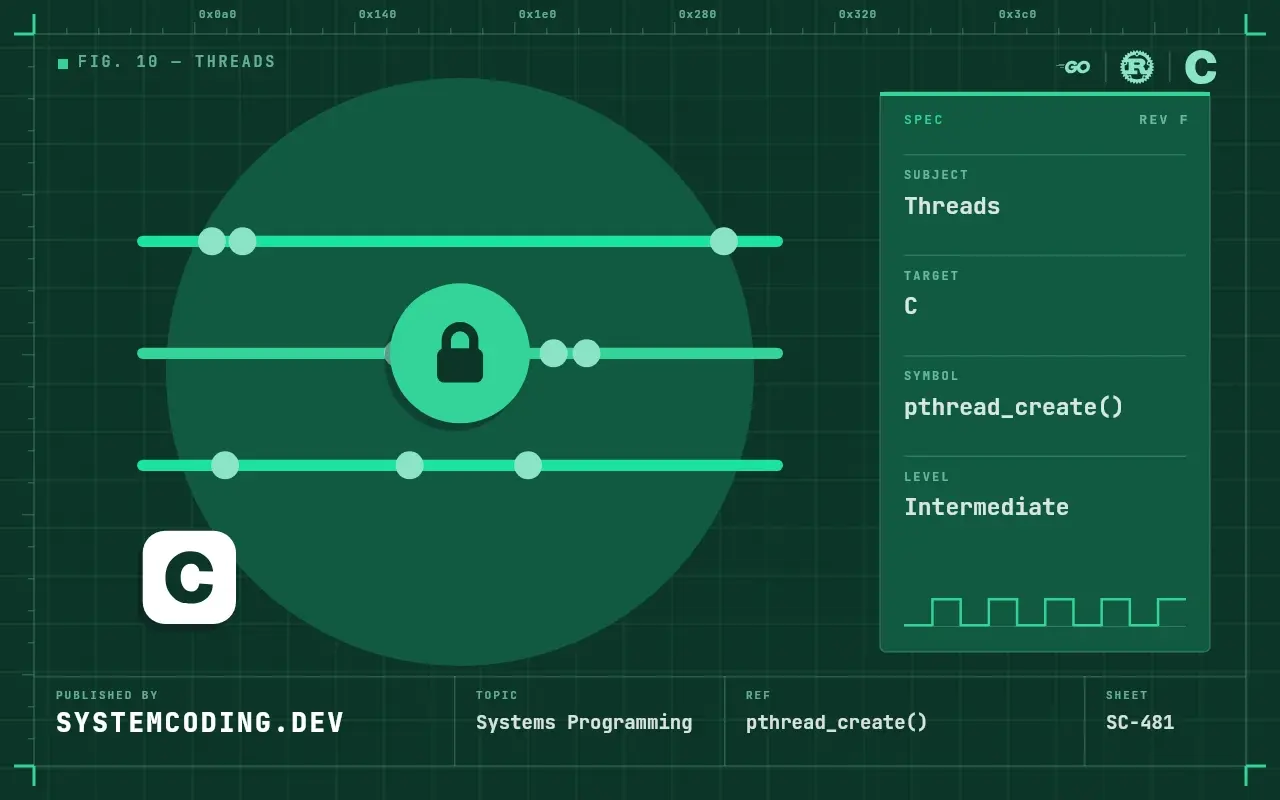
Compare CreateThread and _beginthreadex on Windows, see why C runtime code should use the second, and pass arguments, return values and handles safely.
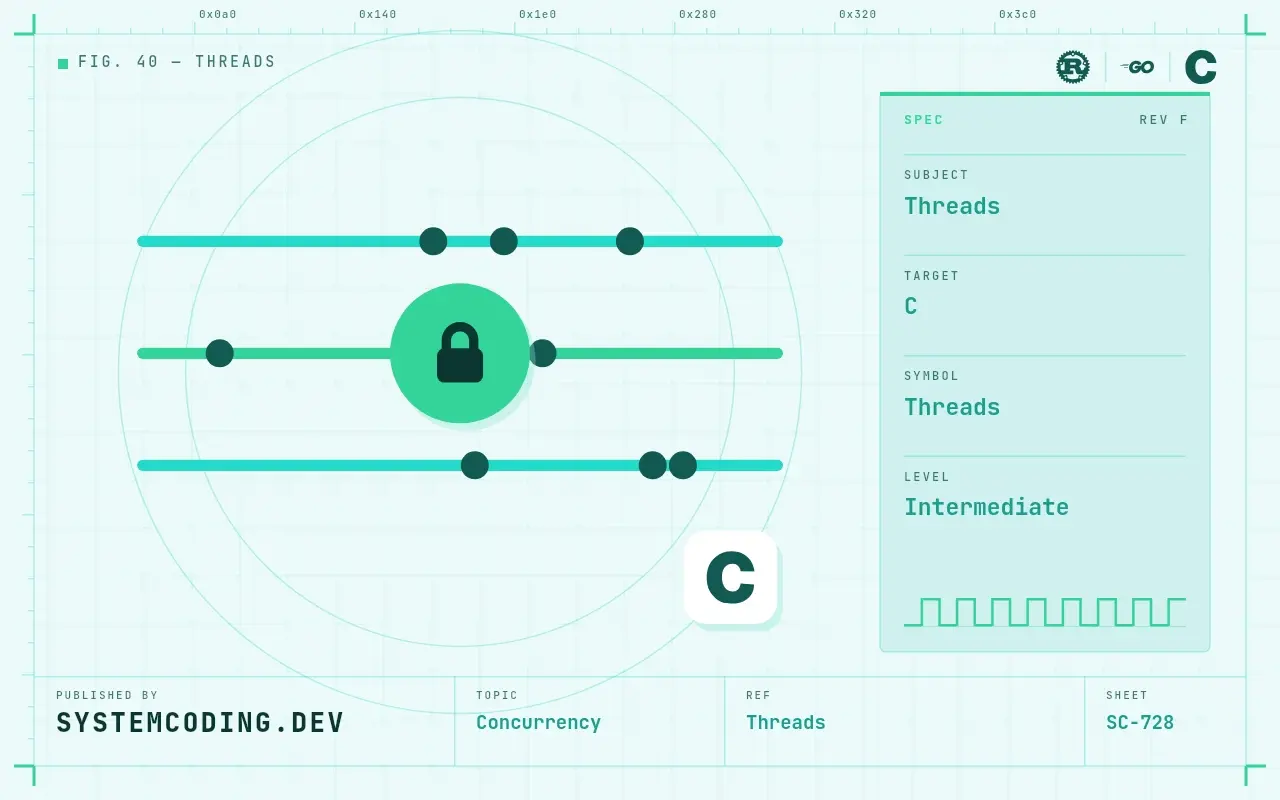
Sum, count, min and max across threads without a data race using the OpenMP reduction clause, including initial values, array sections and float ordering.
We send one email when a new post is published. No spam.