
Kernels
Boot Linux on RISC-V in QEMU With OpenSBI and U-Boot
Build OpenSBI, U-Boot and a Linux 6.12 Image for riscv64, boot them on QEMU virt in the real firmware chain and load the kernel from an ext4 disk with booti.
8 min read
Everything you need to level up your coding skills.
Build OpenSBI, U-Boot and a Linux 6.12 Image for riscv64, boot them on QEMU virt in the real firmware chain and load the kernel from an ext4 disk with booti.

Print Q15 and Q16.16 numbers as decimals in C with integer arithmetic only: split, round, pad the fraction, carry, handle the sign, skip printf float code.

Call the RISC-V SBI from supervisor mode: probe extensions, print through DBCN, set timers, start harts and shut down, with the ecall rules and errors.

Convert floats to Q15 and back in C with rounding, saturation and NaN handling, build compile-time Q15 constants, and convert whole sample blocks safely.

Build the smallest RISC-V kernel that boots on QEMU virt: a linker script at 0x80200000, an entry stub, a C main printing through the UART, and a GDB check.

Learn what Q15, Q31 and Q16.16 mean, how a stored integer maps to a real value, and how to compute the range and resolution of any Q format in C.
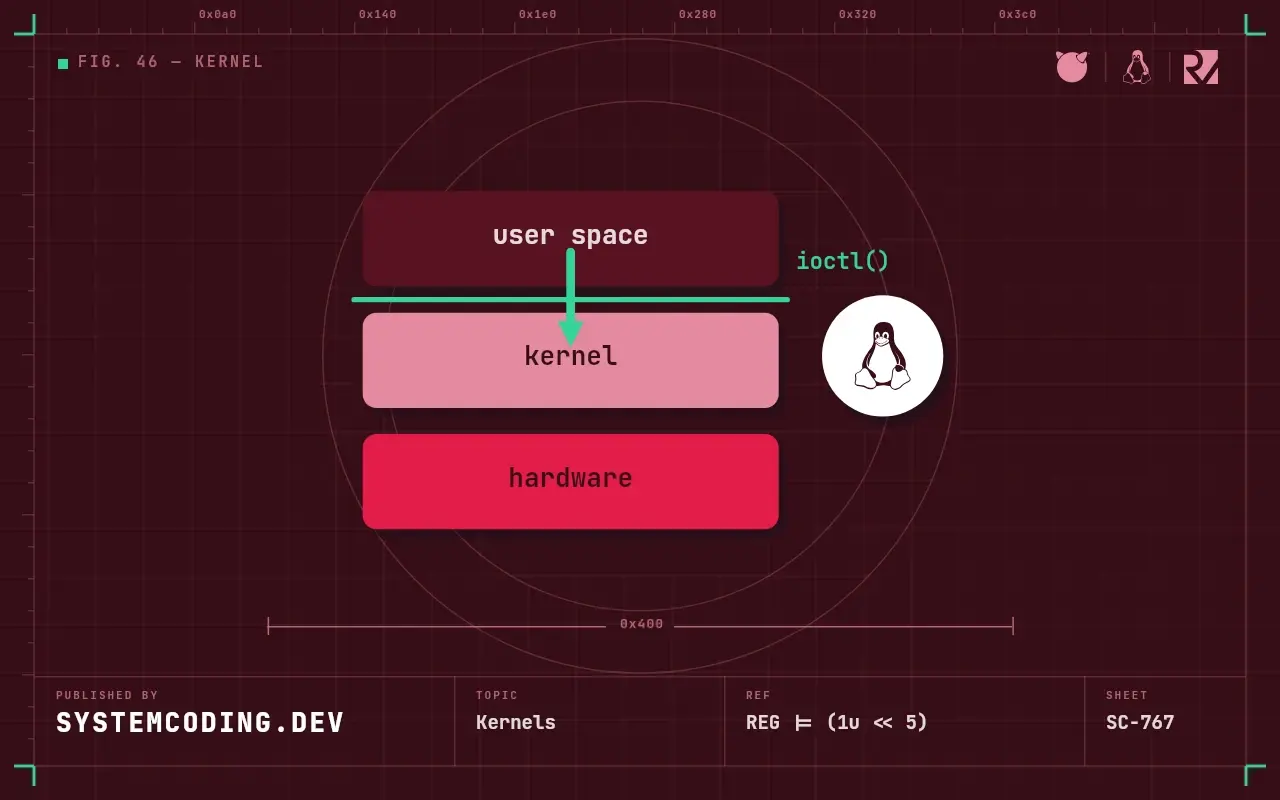
A tour of the RISC-V supervisor CSRs a kernel touches: sstatus, sie, stvec, scause, sepc, stval, satp and sscratch, with instructions and exact bits.
Compare the TinyGo -gc=conservative, -gc=leaking and -gc=none garbage collector settings, what each costs, and which one fits a given firmware.
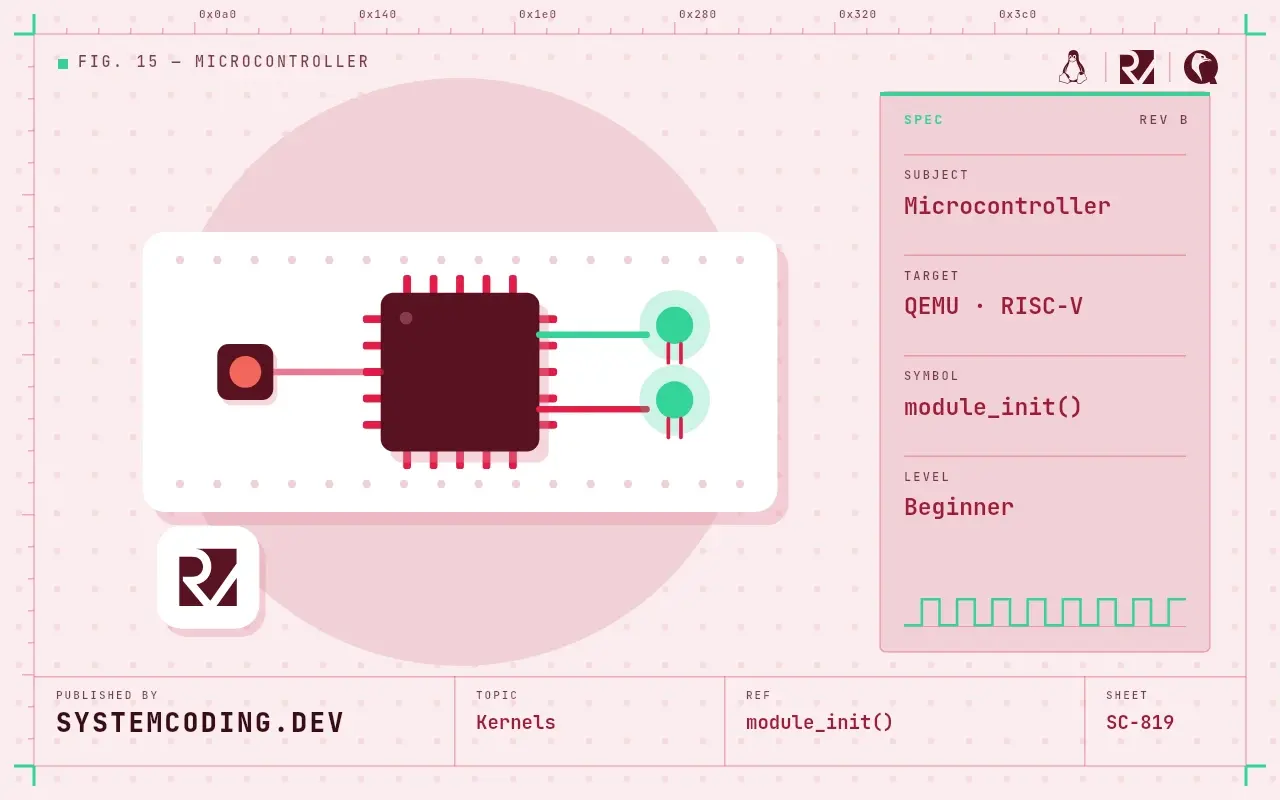
Drive the NS16550A UART at 0x10000000 on QEMU's RISC-V virt machine with volatile MMIO in C: initialize it, send and poll bytes, then add receive interrupts.
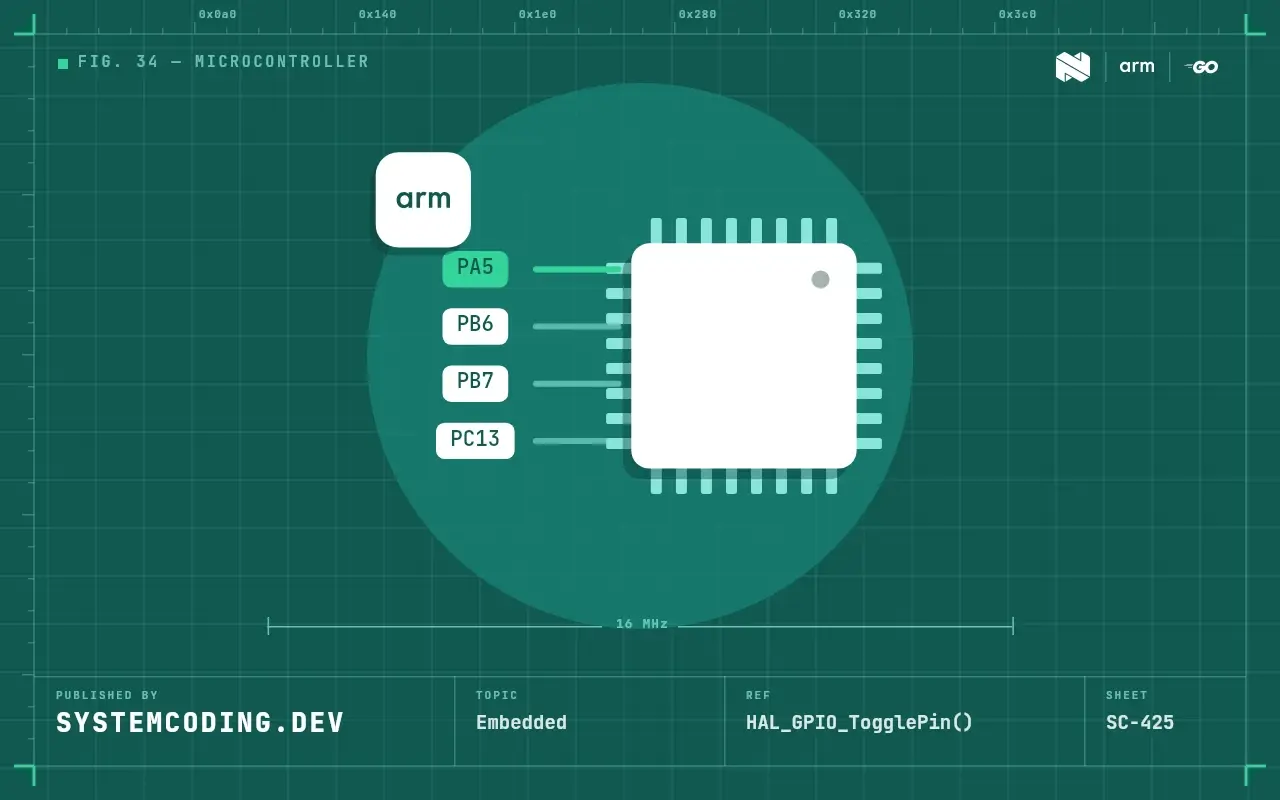
Attach a handler to a pin edge with machine.Pin.SetInterrupt in TinyGo 0.37, keep the handler short with atomics, and debounce a button in the main loop.
Learn what machine, supervisor and user mode each control on RISC-V, how traps are delegated between them, and how firmware drops into S mode with mret.
Configure machine.I2C0 in TinyGo, scan the bus, read a chip ID register by hand, then read a BME280 with the tinygo.org/x/drivers package.
We send one email when a new post is published. No spam.