
Kernels
Navigate Linux Kernel Source With Elixir and cscope
Browse Linux source online with Elixir and index a local tree with cscope and make cscope, so you can find a symbol's definition and every caller in seconds.
5 min read
Everything you need to level up your coding skills.
Browse Linux source online with Elixir and index a local tree with cscope and make cscope, so you can find a symbol's definition and every caller in seconds.
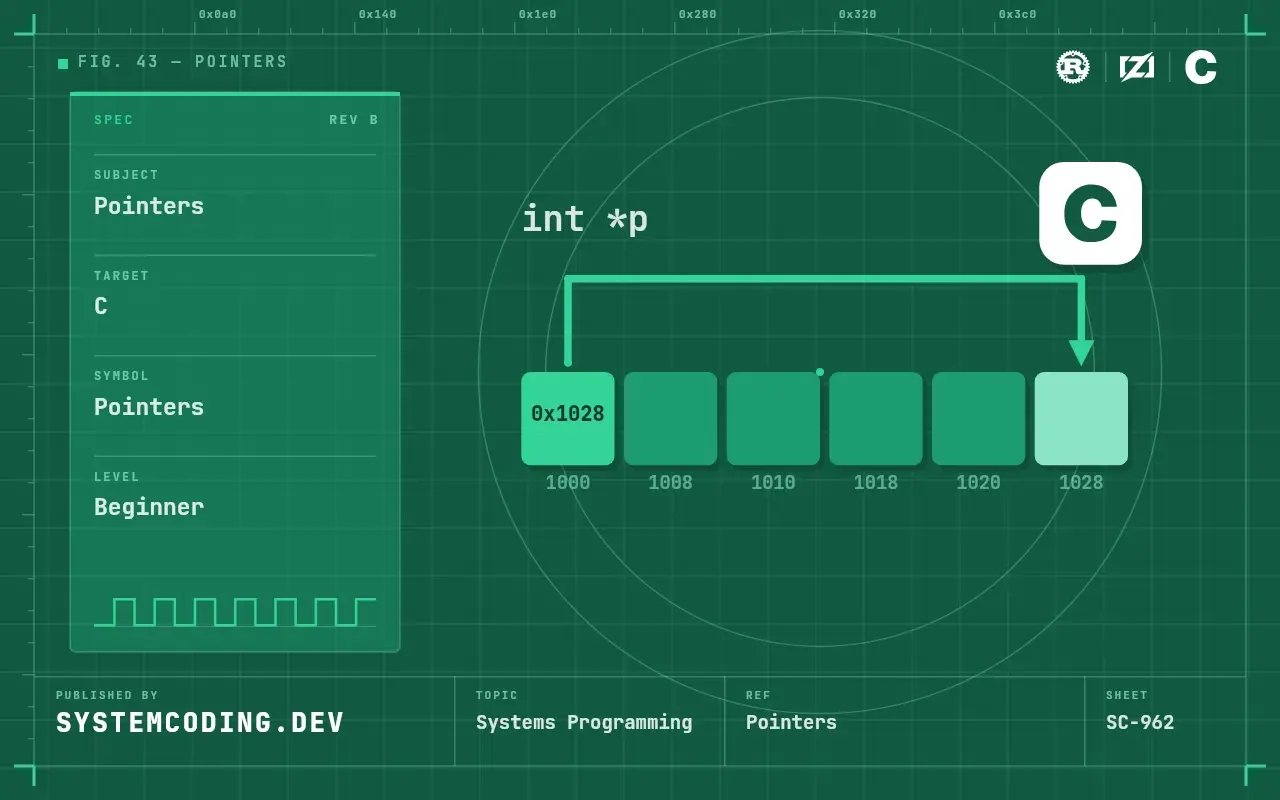
setenv copies its arguments and honors an overwrite flag, unsetenv removes a name, and putenv stores your pointer. Learn the rules and what children inherit.

A guided map of the Linux 6.12 kernel source tree, from arch/ to mm/ and net/, with when each top-level directory is worth opening and when it is not.
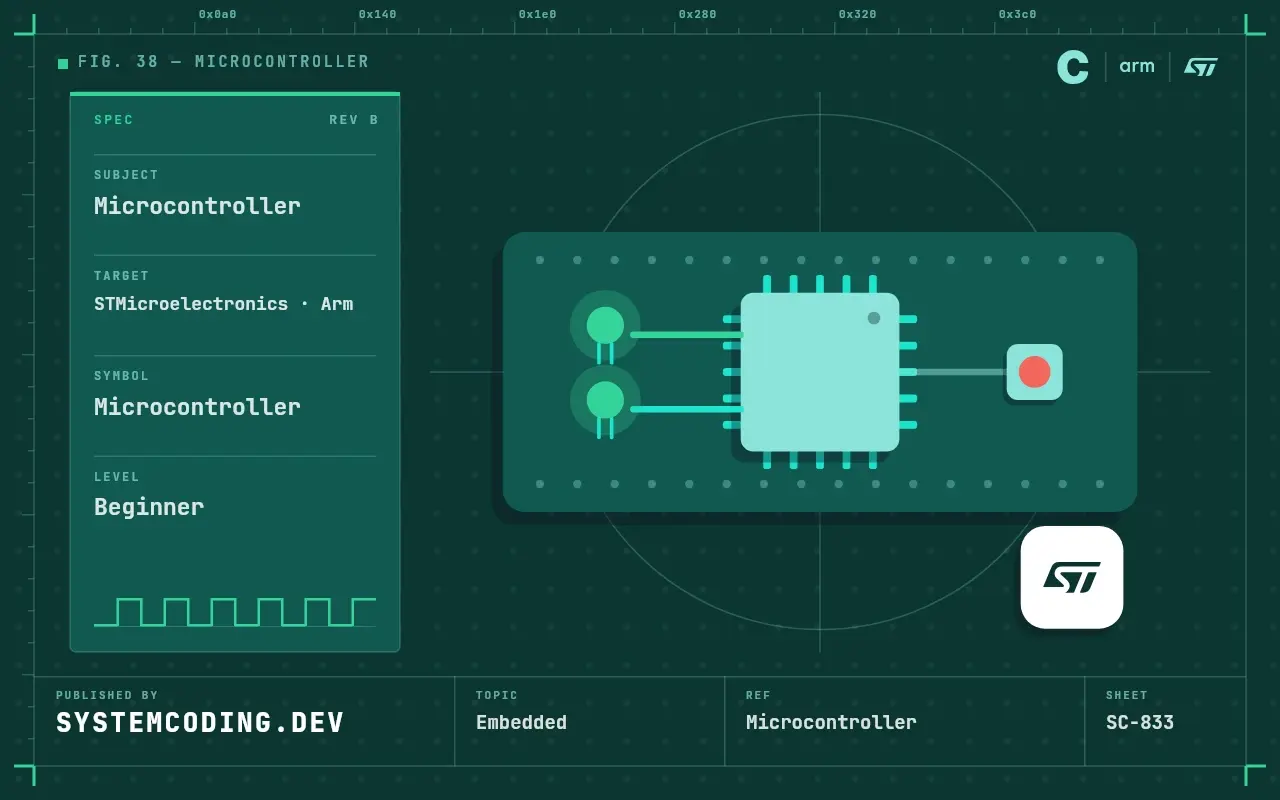
Use the STM32 built-in system bootloader to program firmware over a USB serial adapter, with BOOT0 wiring, the handshake bytes and CubeProgrammer commands.
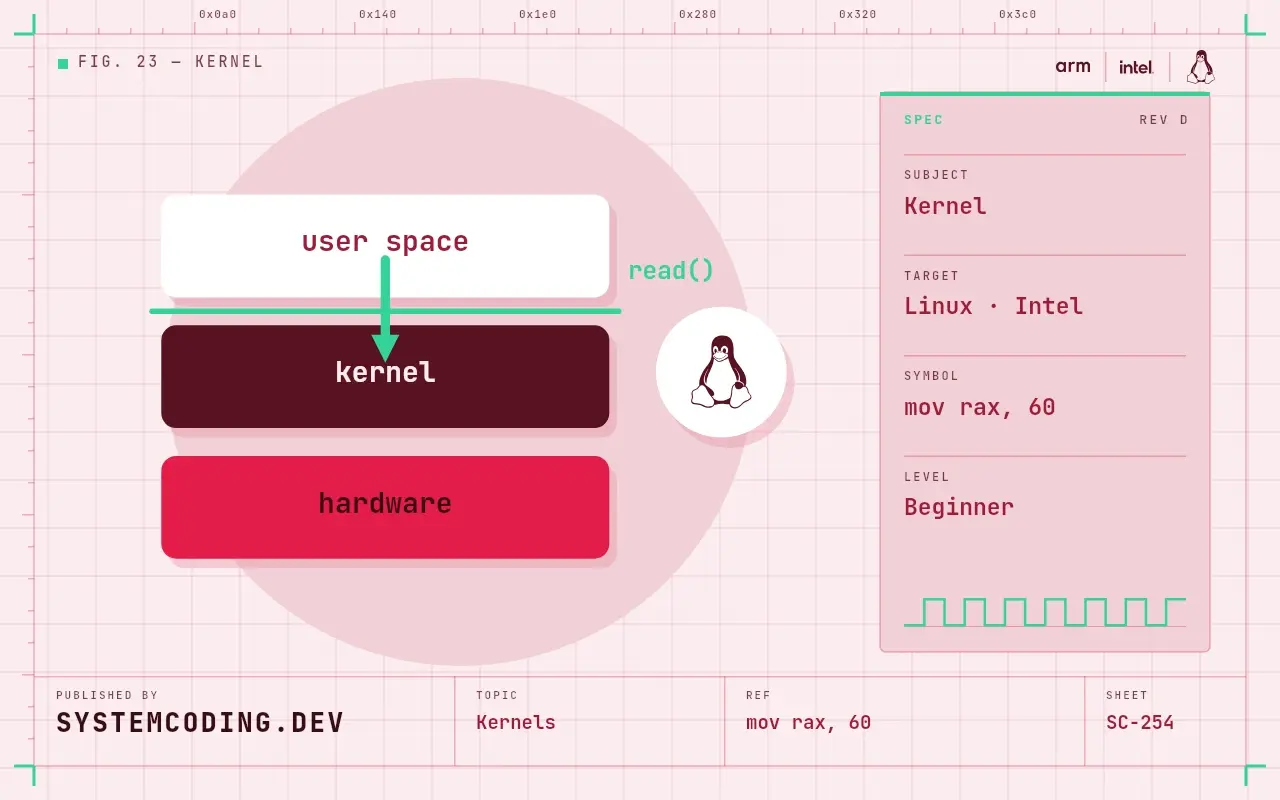
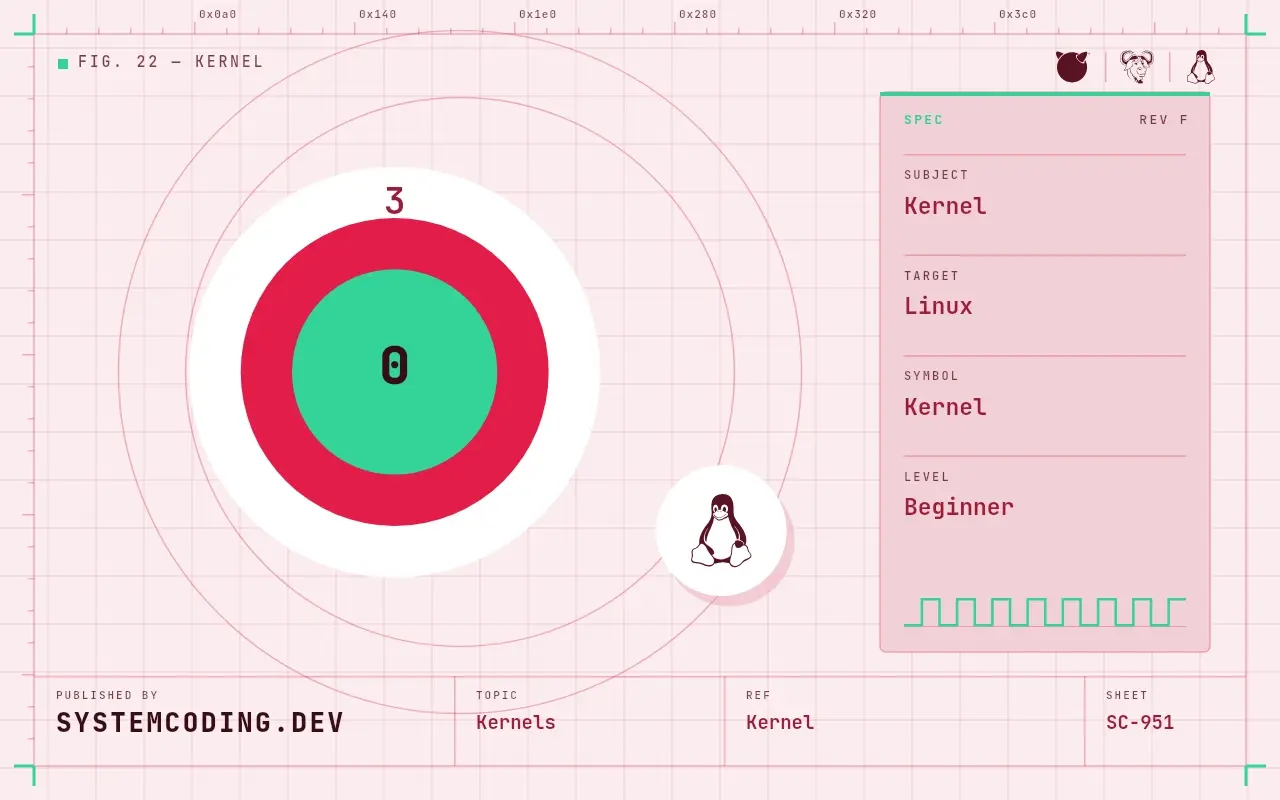
Privilege rings on x86 and exception levels on ARM split code into trust levels the hardware enforces, so a user program cannot touch kernel memory or devices.
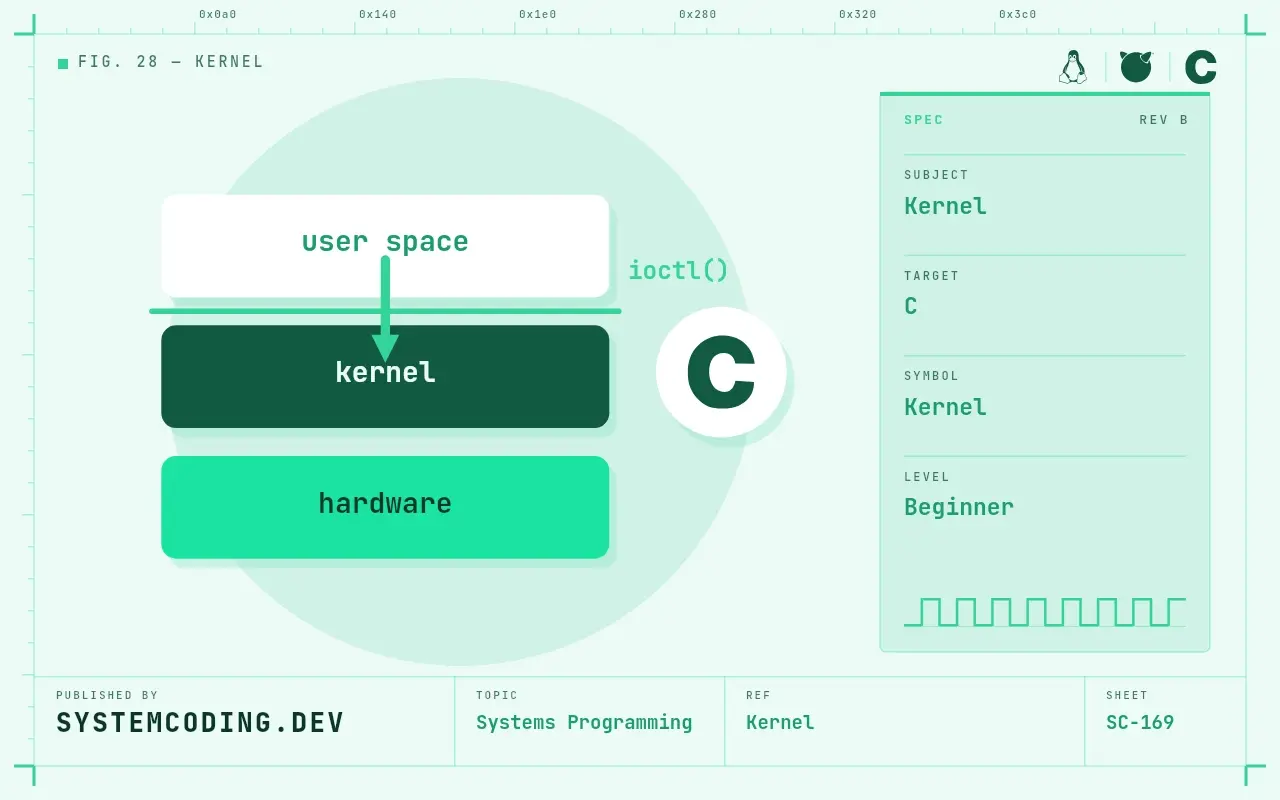
getenv returns a pointer to a variable's value, or NULL when it is unset. Check for NULL, tell empty from unset, copy what you keep and parse numbers safely.
Monolithic, microkernel and hybrid kernels differ in how much runs at top privilege; this compares Linux, MINIX 3, seL4 and Windows NT with a decision table.
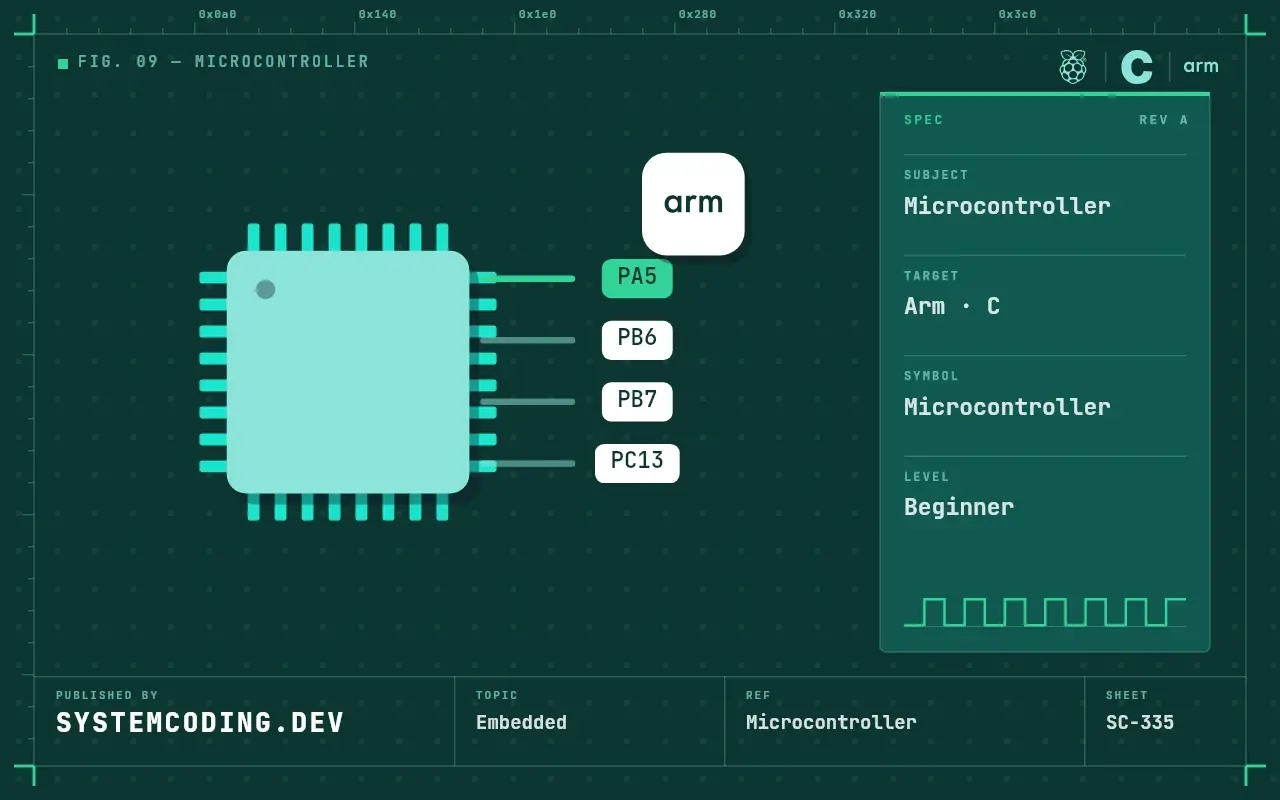
A plain explanation of what a microcontroller bootloader does at reset, how the vector table makes a hand-over possible, and what the application inherits.
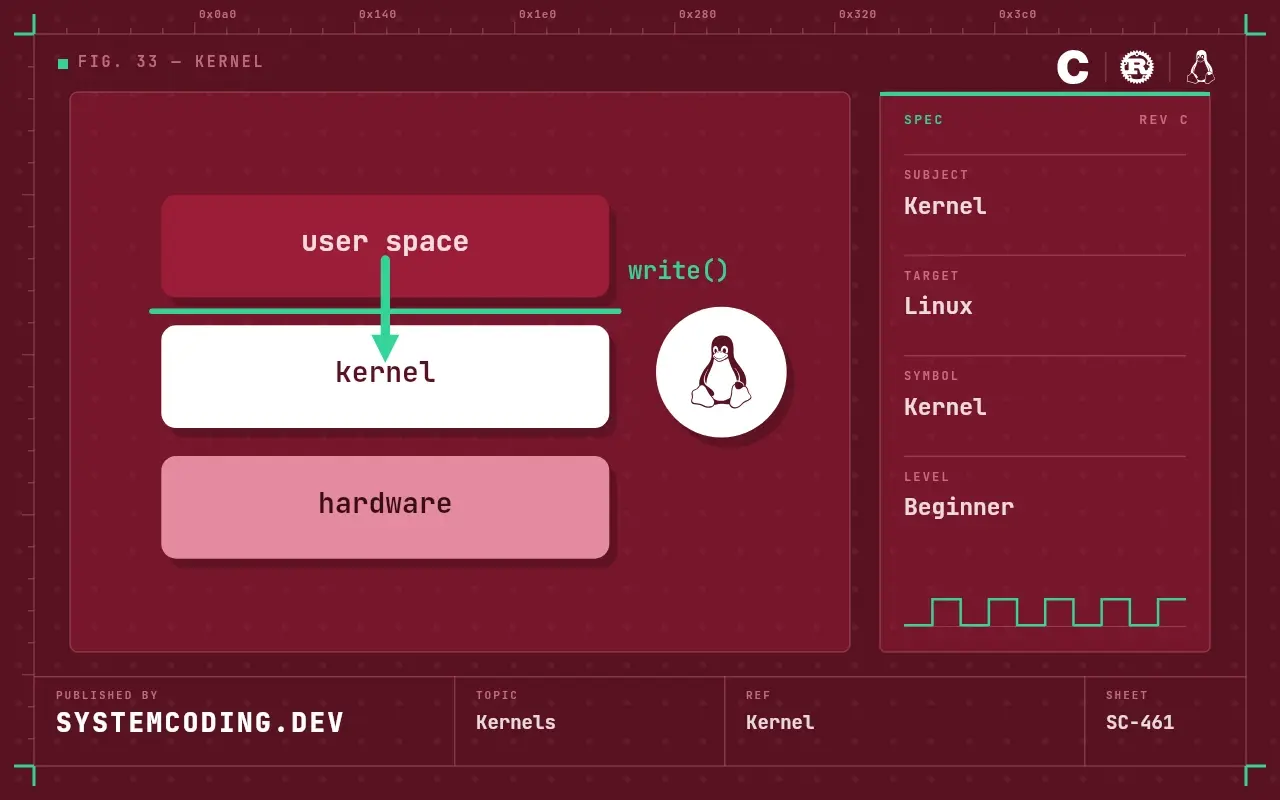
User space and kernel space are two privilege levels and two address ranges; code in one reaches the other only through system calls, faults and interrupts.
Run code in the child between fork and exec with CommandExt::pre_exec, learn which calls are async-signal-safe, and see how errors propagate to spawn.
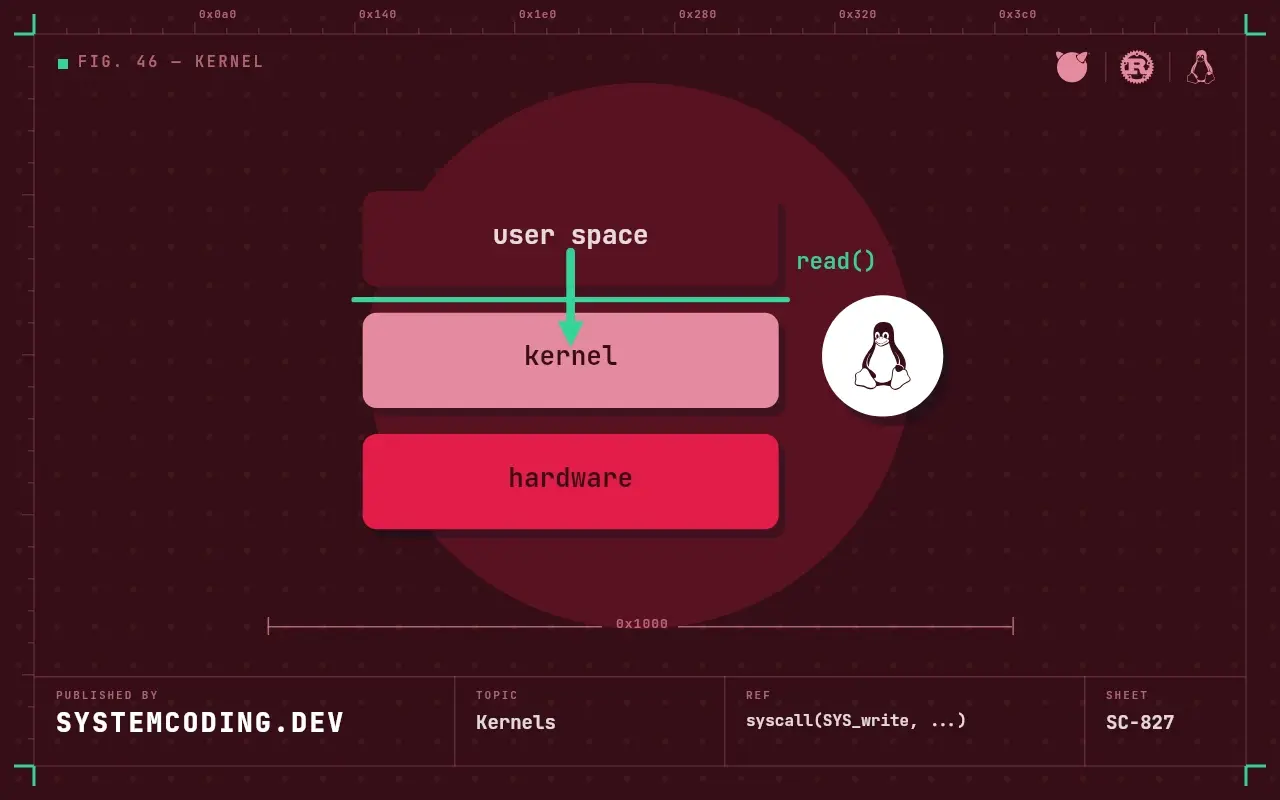
A kernel schedules processes, manages memory, drives devices and exposes system calls, and everything else on a Linux machine sits on those four jobs.
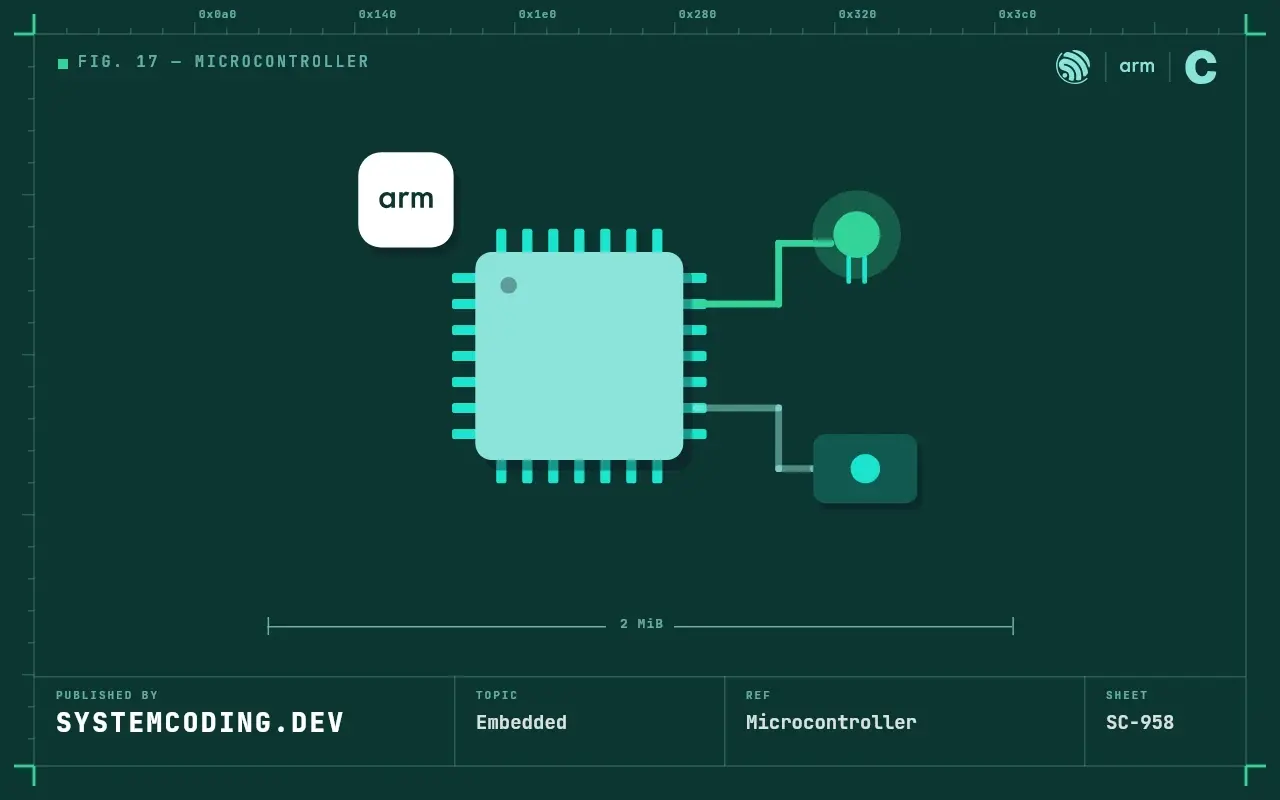
Write a Q15 FIR filter in portable C with a circular delay line, a 32-bit accumulator and one saturating shift at the end, with worked moving-average output.
We send one email when a new post is published. No spam.