Media
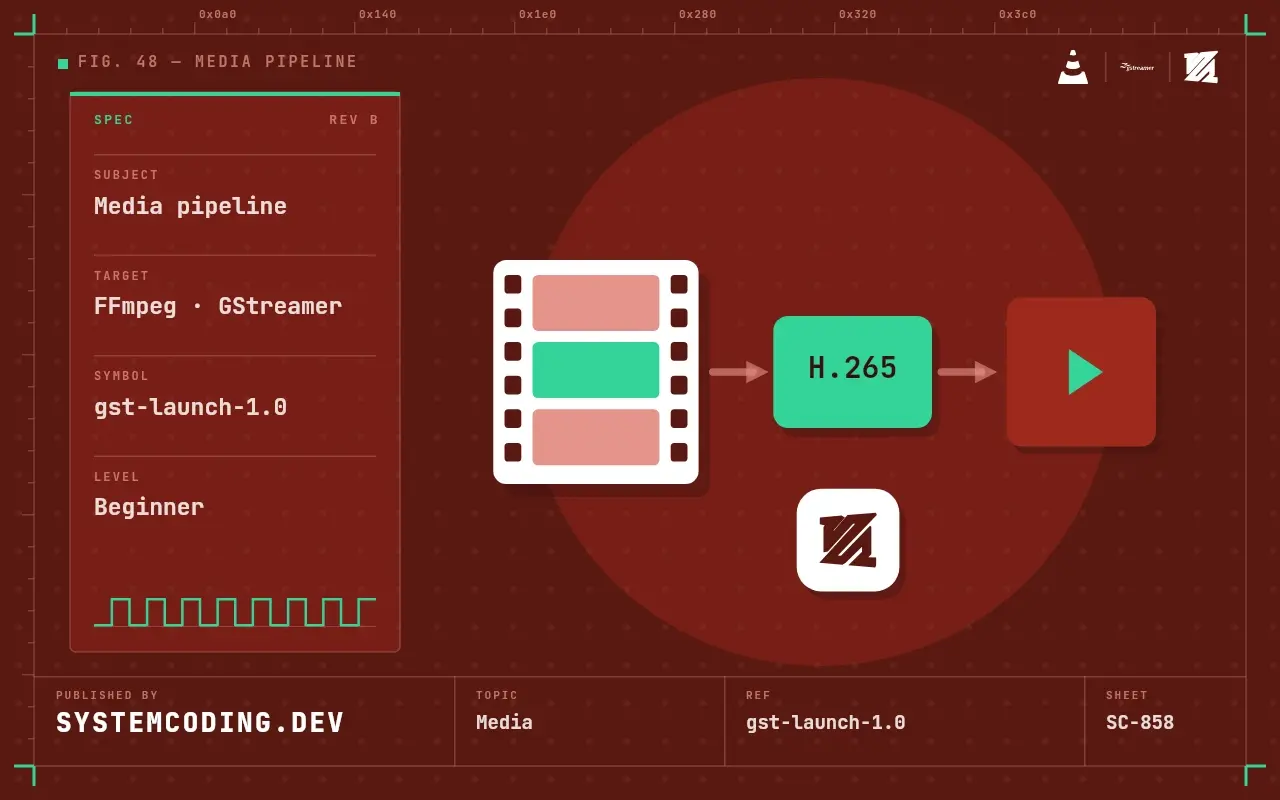
Play Any Media File With playbin and uridecodebin
Play local files, HTTP streams and network URLs in GStreamer with playbin, and use uridecodebin when you need your own sinks, with C and gst-launch examples.
6 min read
Everything you need to level up your coding skills.
Play local files, HTTP streams and network URLs in GStreamer with playbin, and use uridecodebin when you need your own sinks, with C and gst-launch examples.
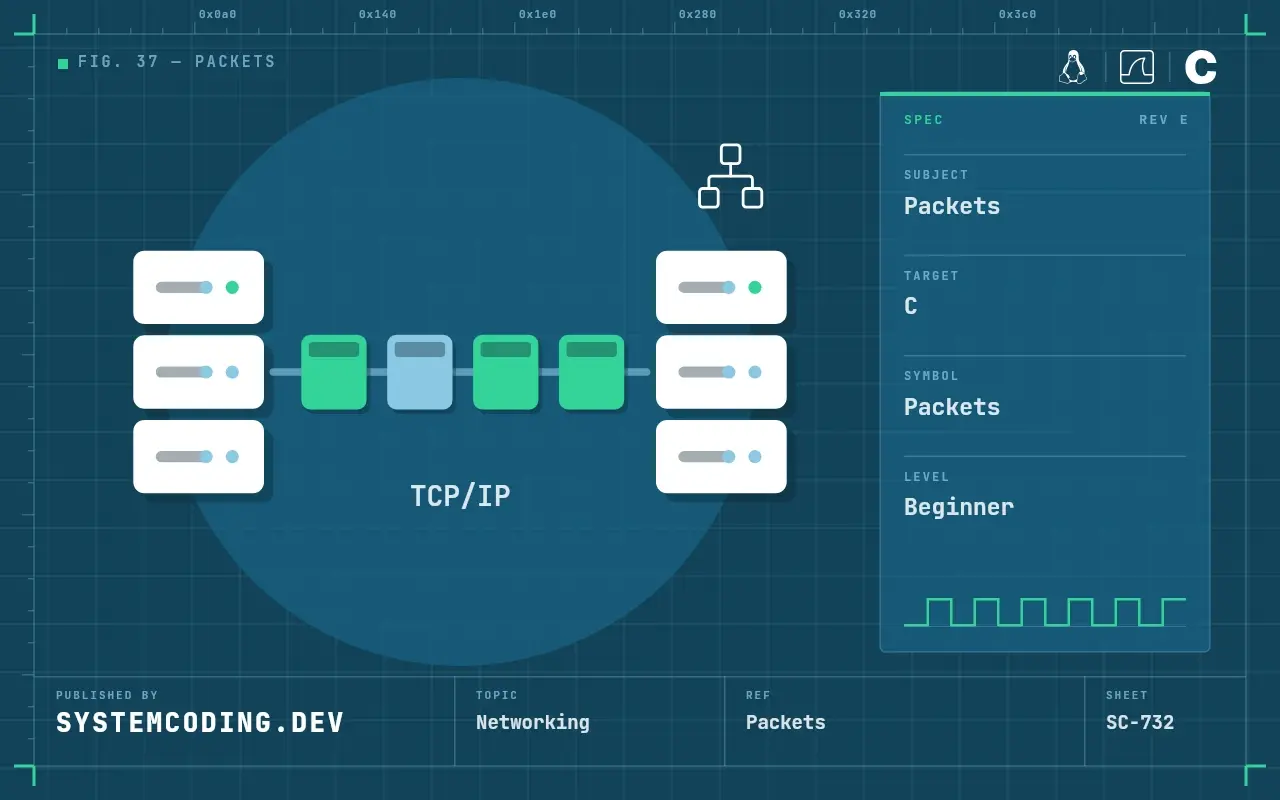
Build a single-threaded C echo server that serves many clients with select, fd_set, FD_SET and FD_ISSET, and learn why you rebuild the set on every loop.
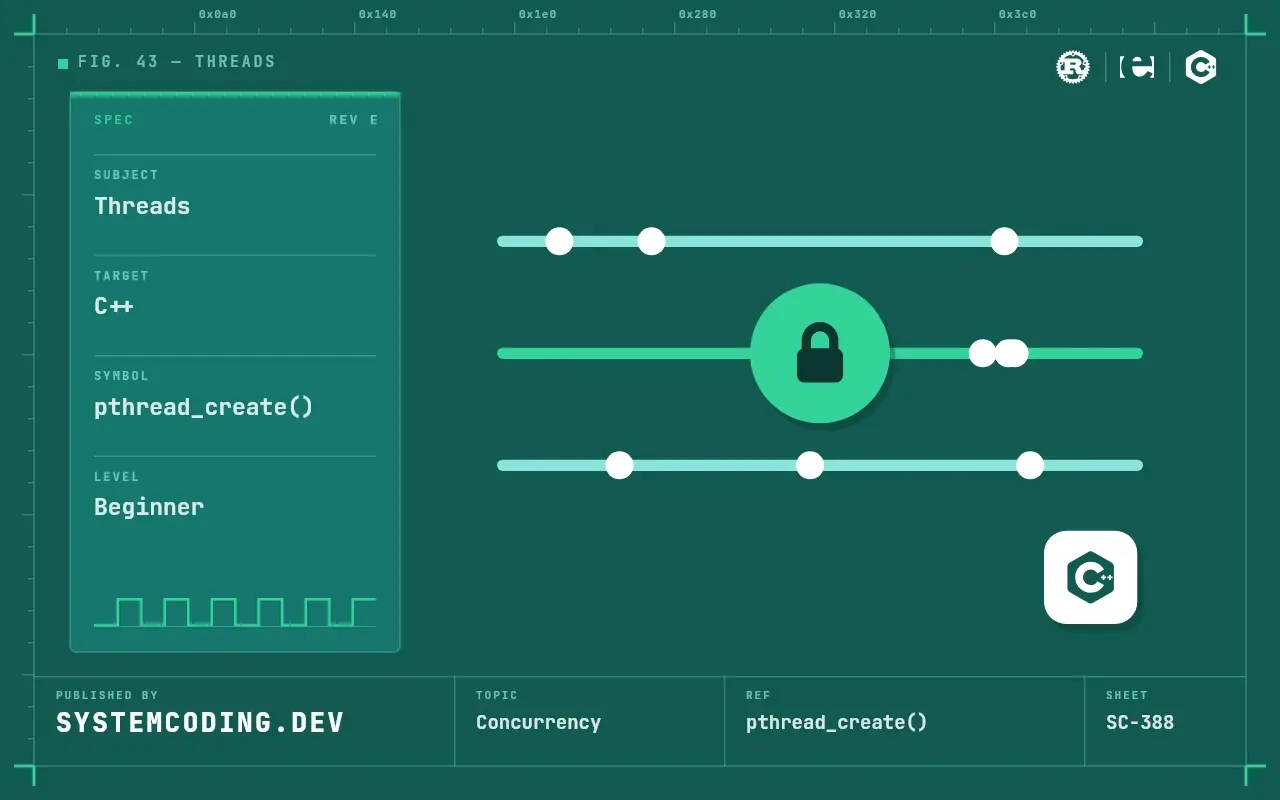
Launch threads in C++ with std::thread and the C++20 std::jthread, which joins automatically. Covers arguments, references, join rules and std::terminate.
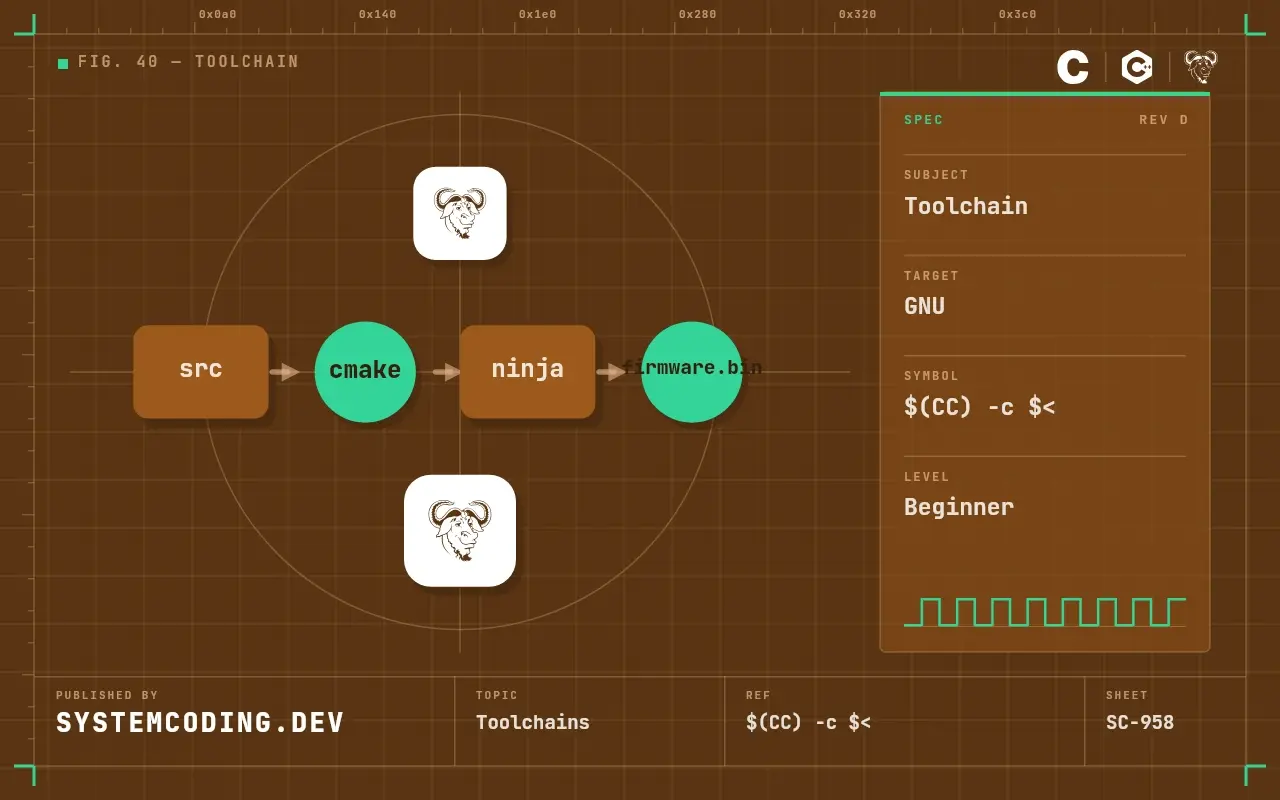
What $@, $<, $^ and $? mean inside a make recipe, with a Makefile that uses each one and the mistakes that make $< and $^ behave unexpectedly.
Use valgrind --track-origins=yes to find where an uninitialised value was created, so the Memcheck report points at the real bug and not just the branch.
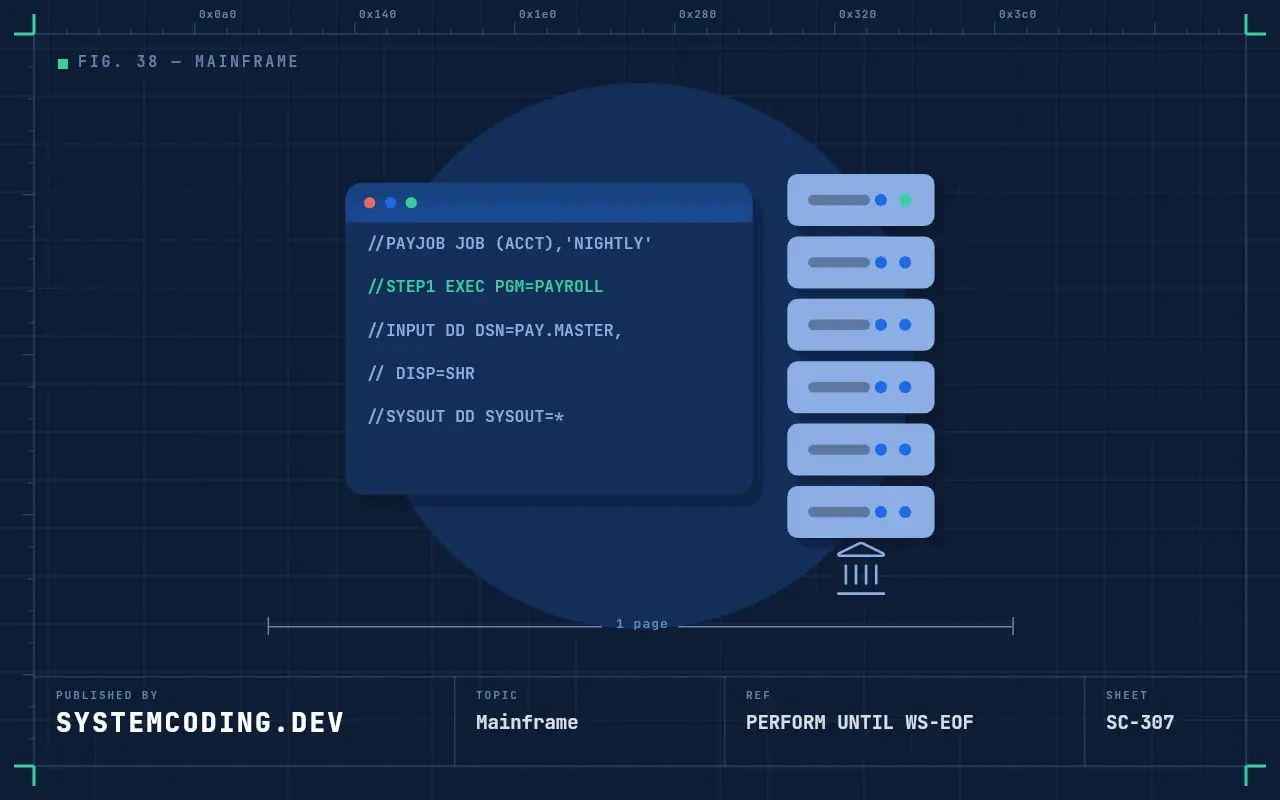
Learn why CICS programs end after each screen, how EXEC CICS RETURN TRANSID with a COMMAREA keeps state between turns, and the conversational mode it replaces.
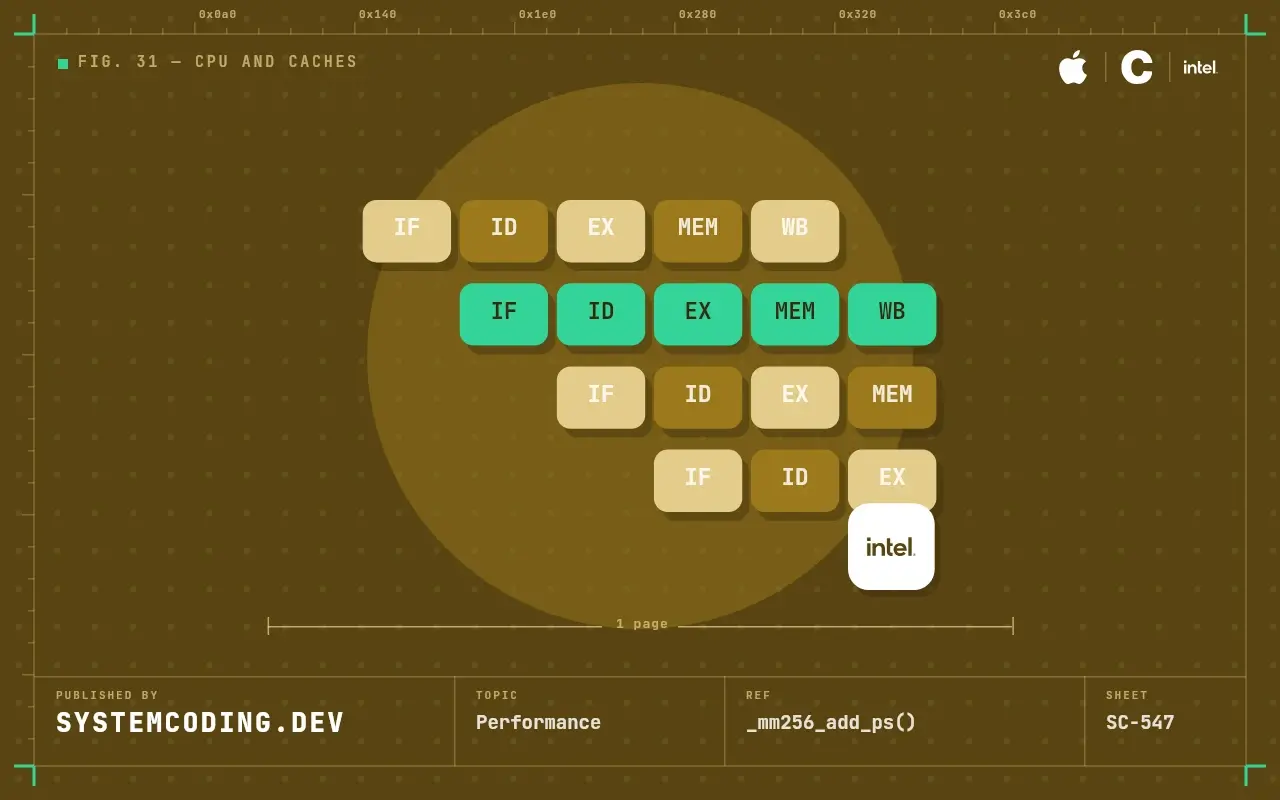
Add two float arrays of any length with SSE intrinsics in C: a four-wide main loop, a scalar tail, unaligned loads and the assembly you should see.
Use dtc to compile a .dts into a .dtb, turn a .dtb back into readable source and read the warnings it prints. The flags that matter, with exact commands.

Choose an x86 assembler by platform, syntax, macro power and output formats. A decision table compares NASM, GNU as, MASM and FASM, with when not to pick each.
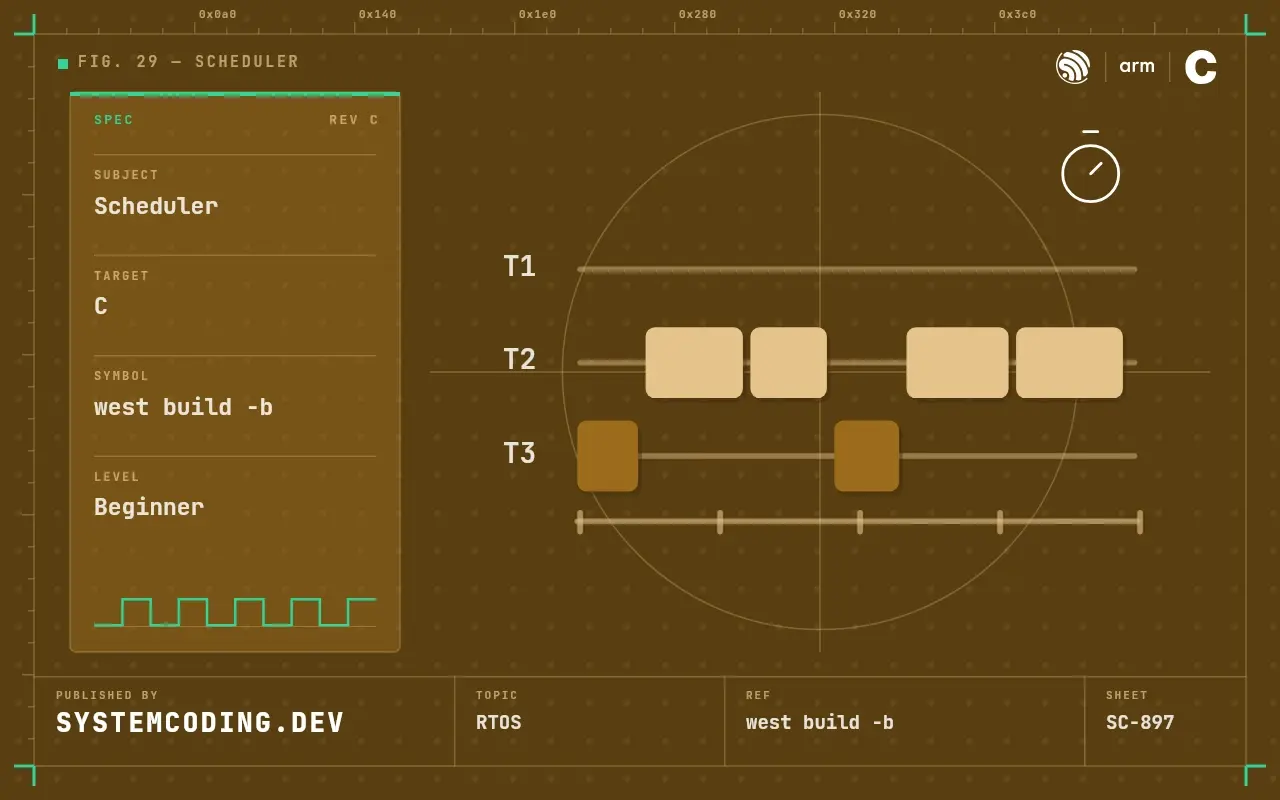
Negative Zephyr thread priorities are cooperative and never preempted, while zero and above are preemptible. Learn the ranges, the rules and when to use each.
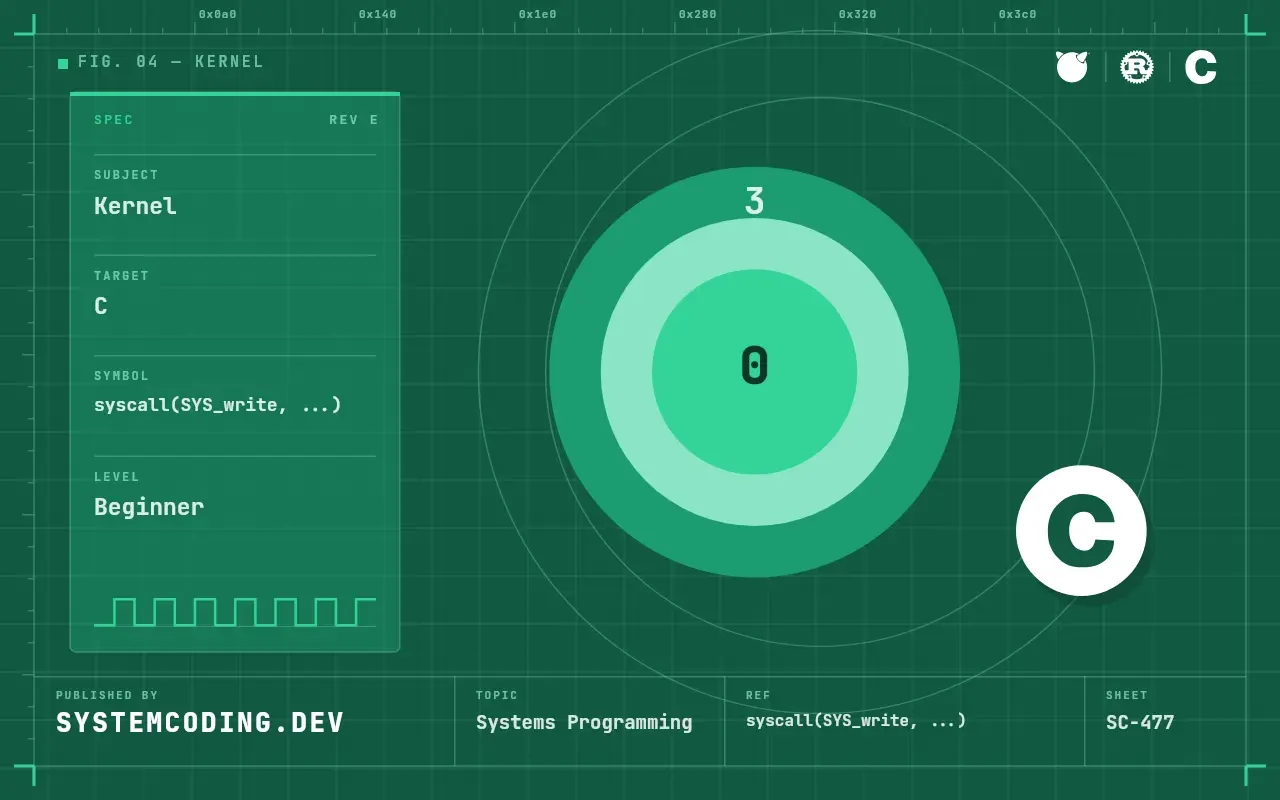
Check every system call result in C: the -1 convention, short reads and writes, EINTR retries and close errors, with working helpers for Linux and glibc 2.41.
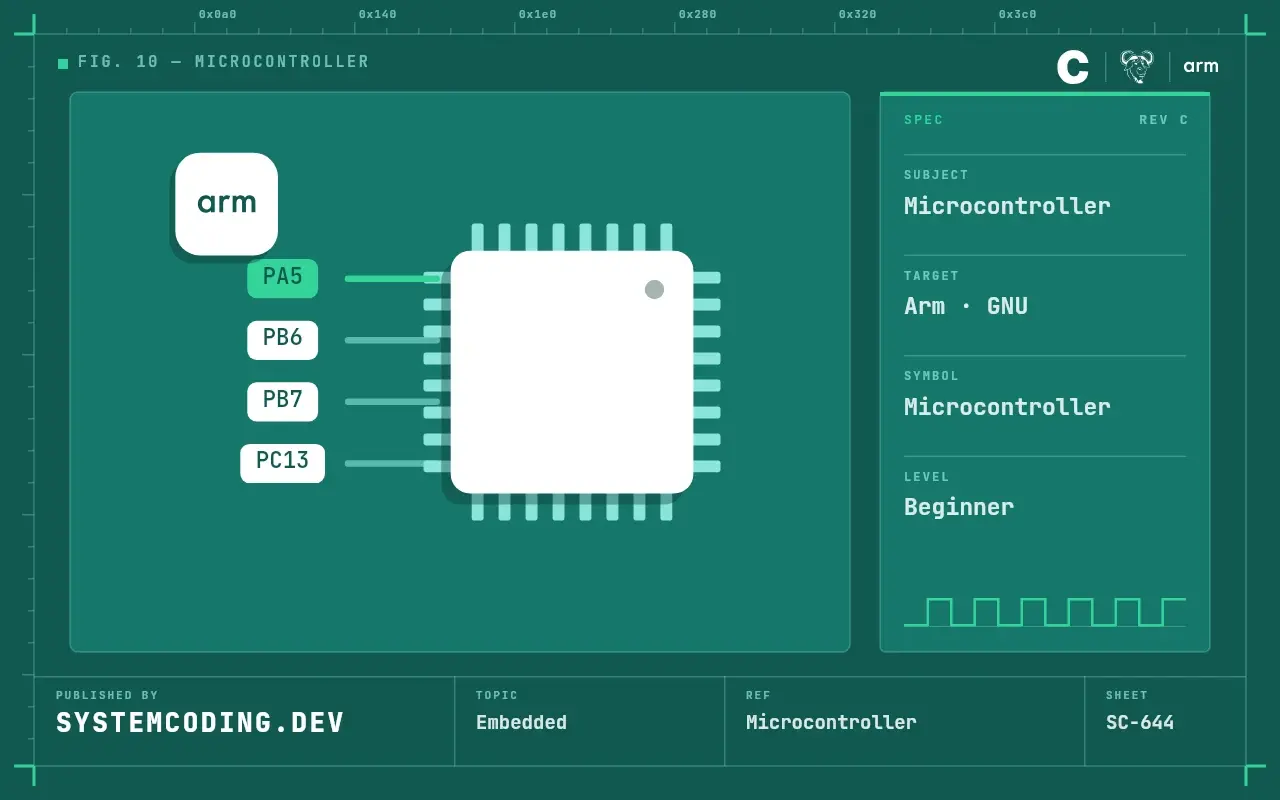
Follow a Cortex-M core from power-on to main: the two vector table words it fetches, the reset handler, and the C runtime setup that runs before your code.
We send one email when a new post is published. No spam.