Media
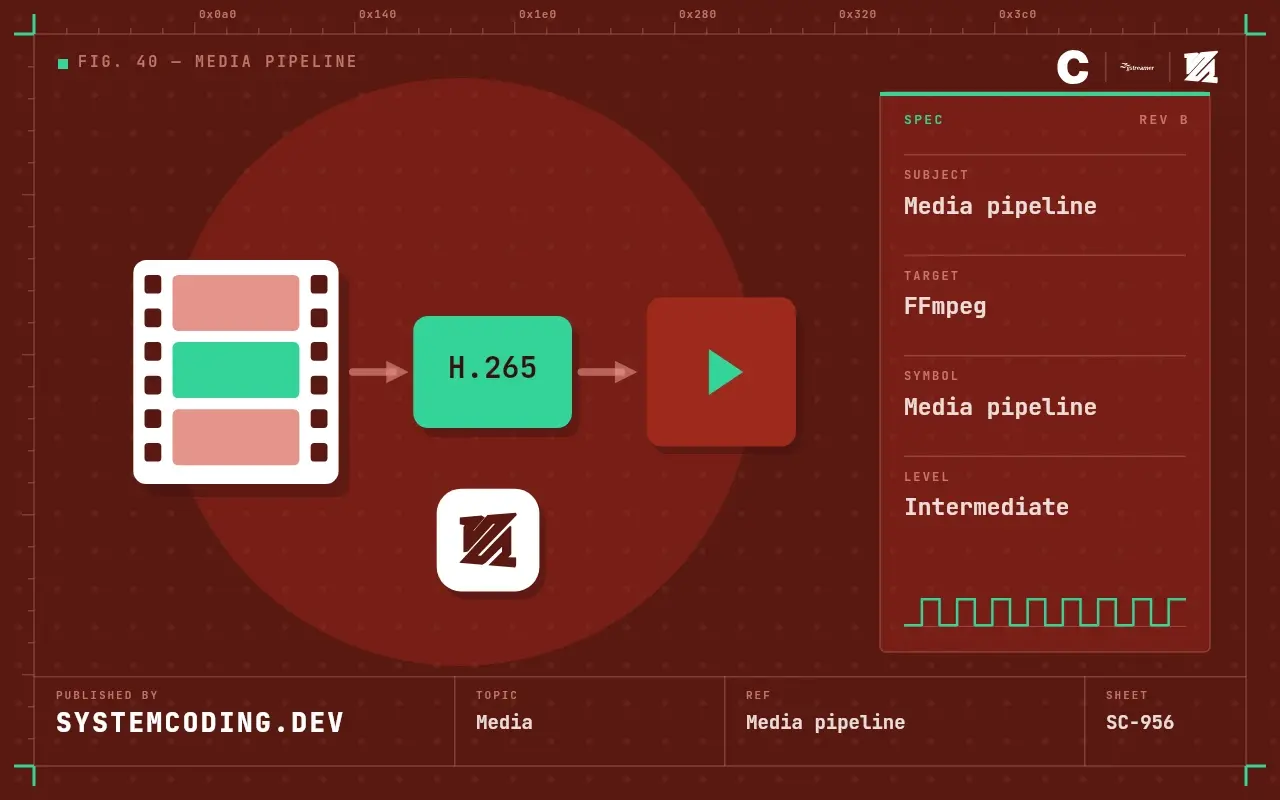
How H.264 Encodes Video: Macroblocks, Prediction and Entropy Coding
Follow one H.264 frame through the encoder: macroblocks, intra and inter prediction, the 4x4 integer transform, quantisation, deblocking and CAVLC or CABAC.
7 min read
Everything you need to level up your coding skills.
Follow one H.264 frame through the encoder: macroblocks, intra and inter prediction, the 4x4 integer transform, quantisation, deblocking and CAVLC or CABAC.
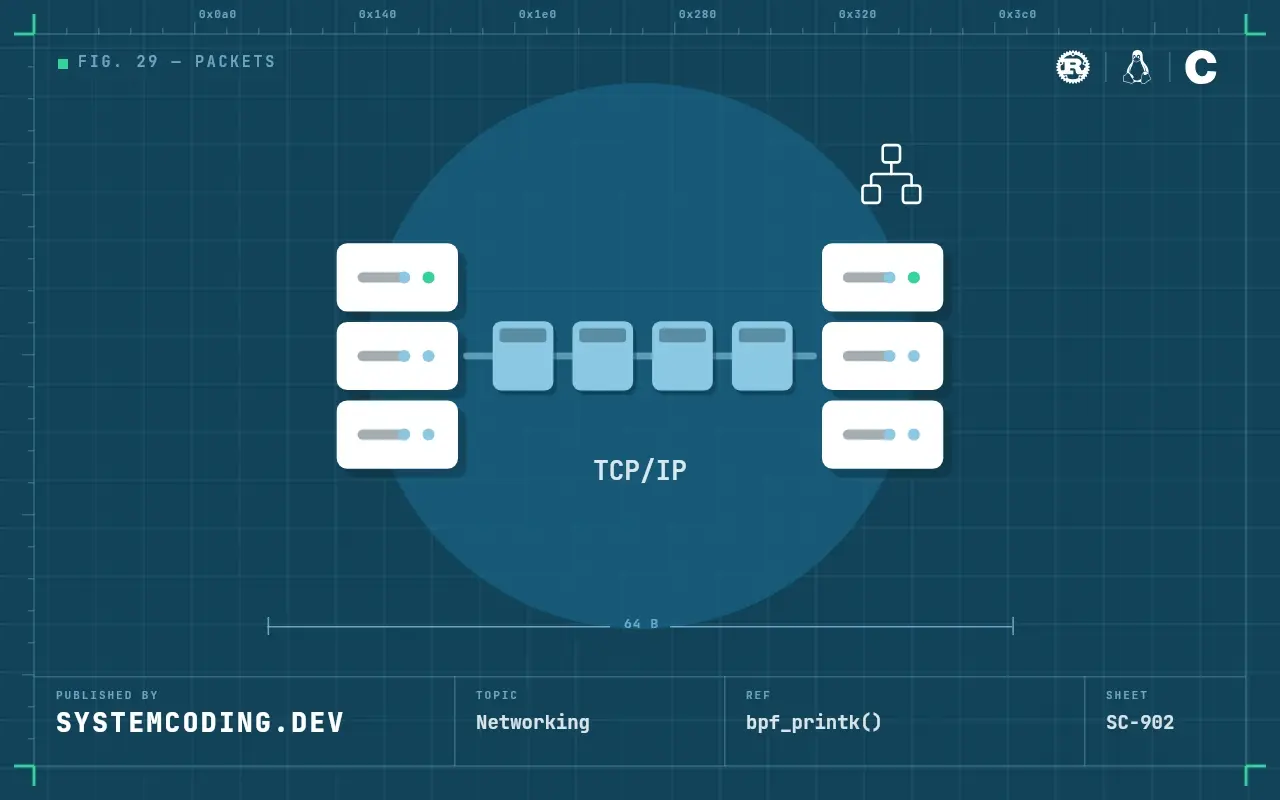
Load an eBPF classifier with tc and cls_bpf on ingress or egress using a clsact qdisc, return TC_ACT verdicts, and see how tcx replaces it on Linux 6.6.
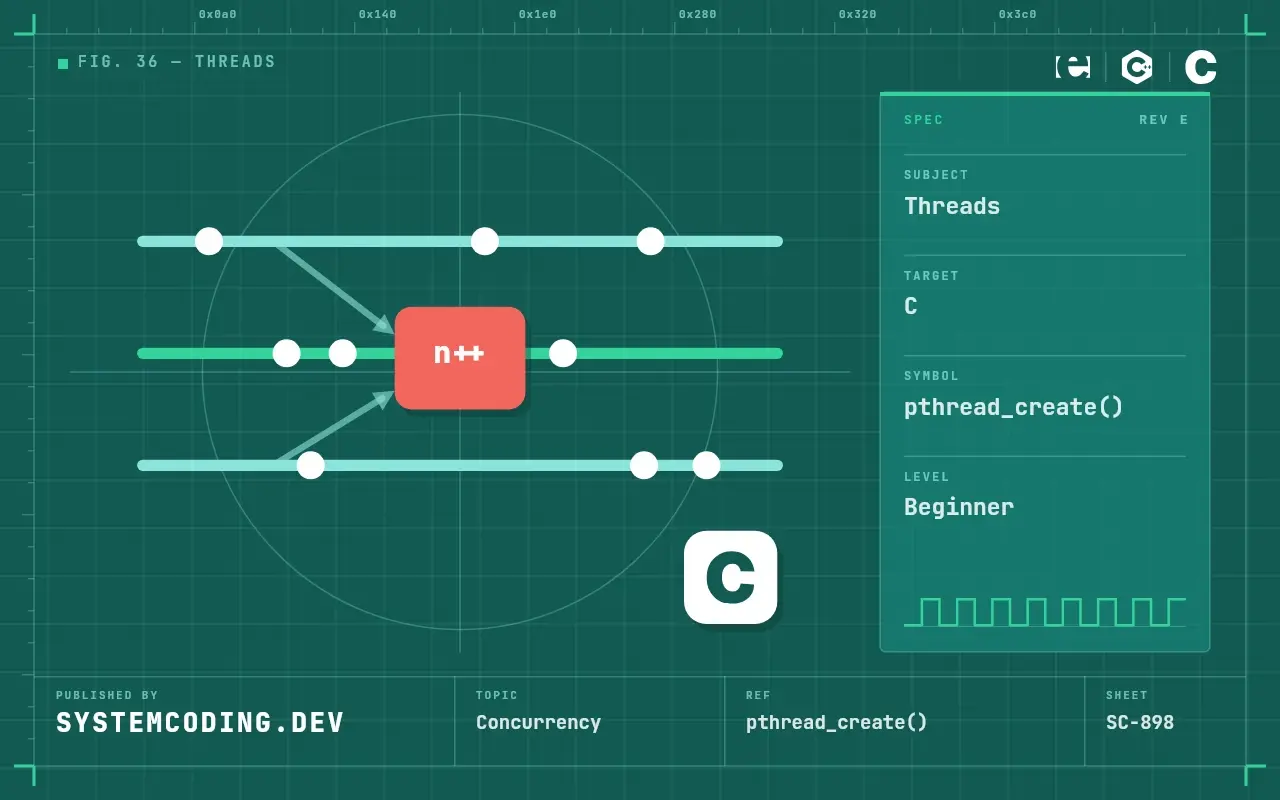
Make a C thread sleep until another signals that work is ready with pthread_cond_wait, pthread_cond_signal and a predicate loop on Linux with glibc 2.41.
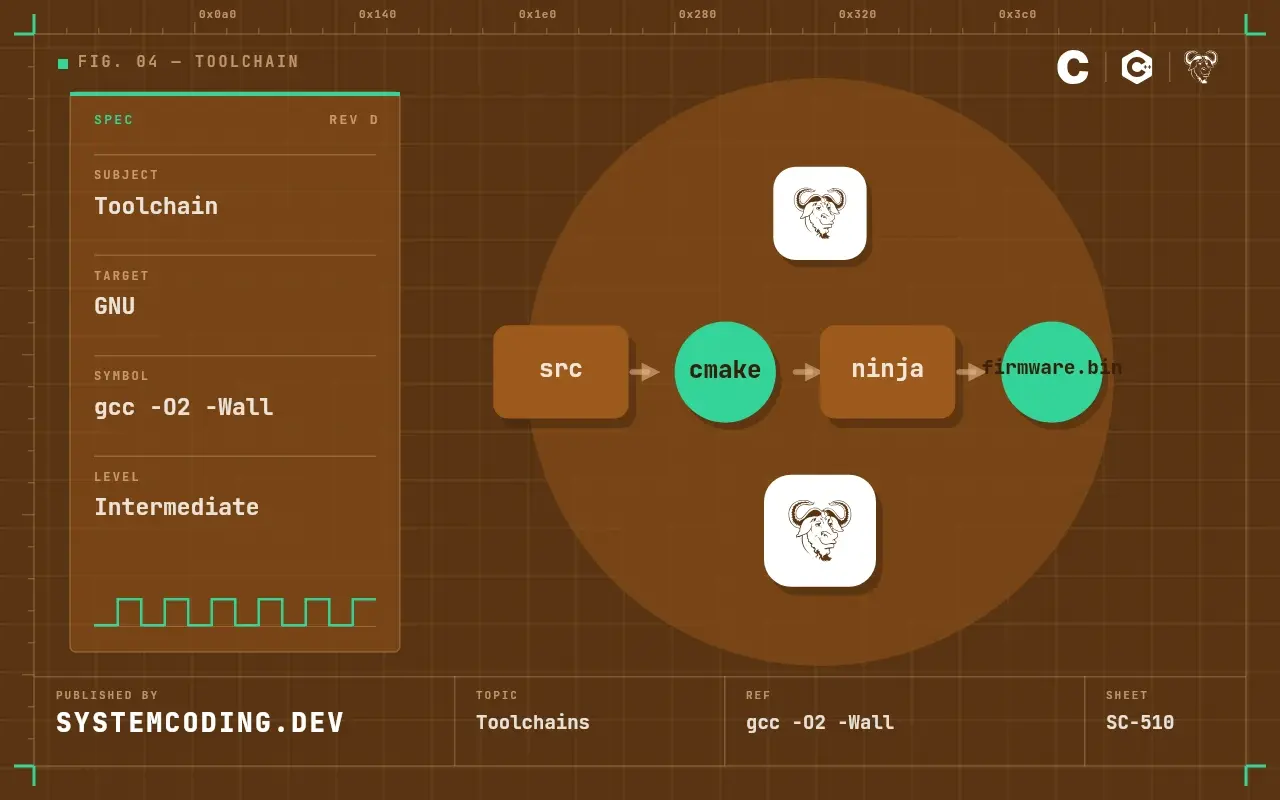
Define a default function with __attribute__((weak)) so another object file can replace it at link time, and check optional symbols with weak references.
A GDB command reference grouped by task, with the short form of each command, an example and the case where that command is the wrong choice.
Diagnose an S0C4 in a COBOL program on z/OS: read the reason code, find the statement, and check subscripts, linkage parameters and storage with SSRANGE.
Build the perf tool from the Linux source tree with make -C tools/perf, check the feature report, and install it so its version matches the kernel you run.
local.conf holds your per-build settings and bblayers.conf lists the layers to parse. Here is what each variable does and the order BitBake reads them.
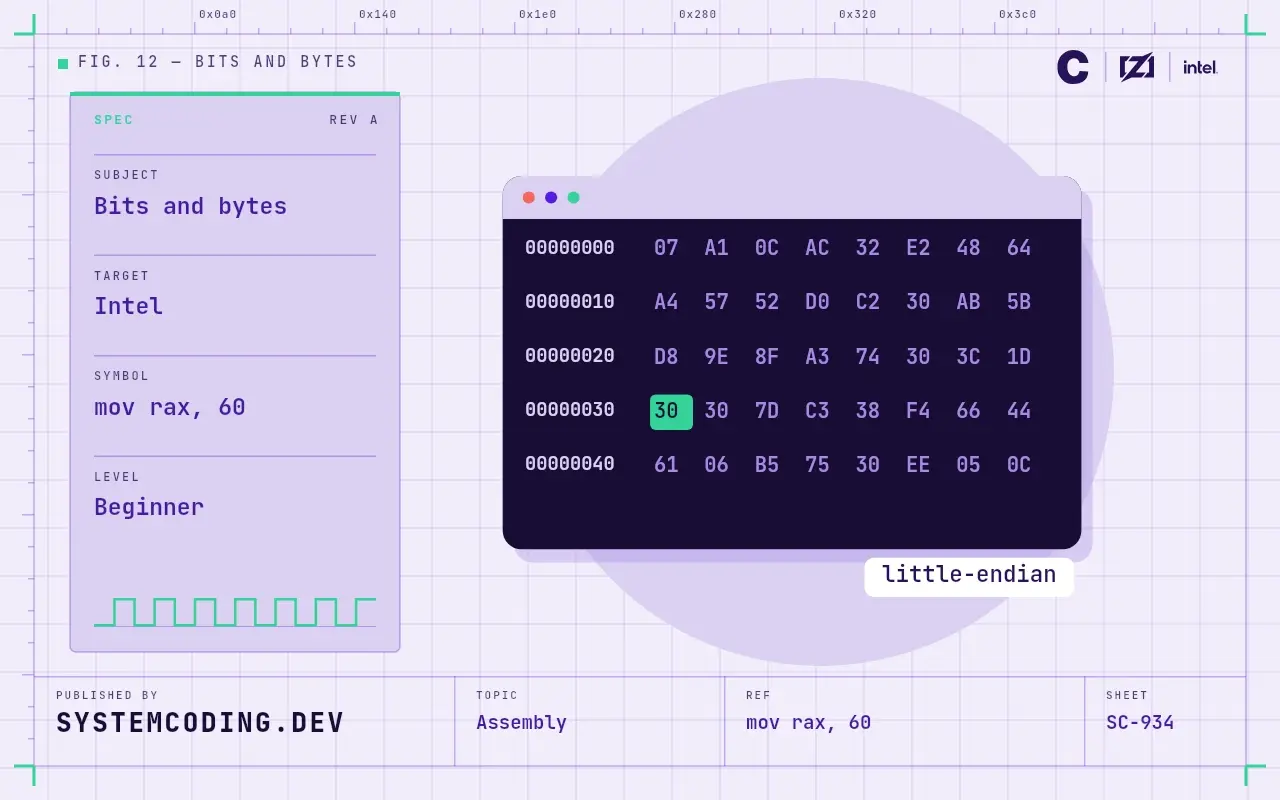
How the x86-64 carry, zero, sign and overflow flags are set by add, sub and cmp, with worked 8-bit examples and the conditional jumps that read them.
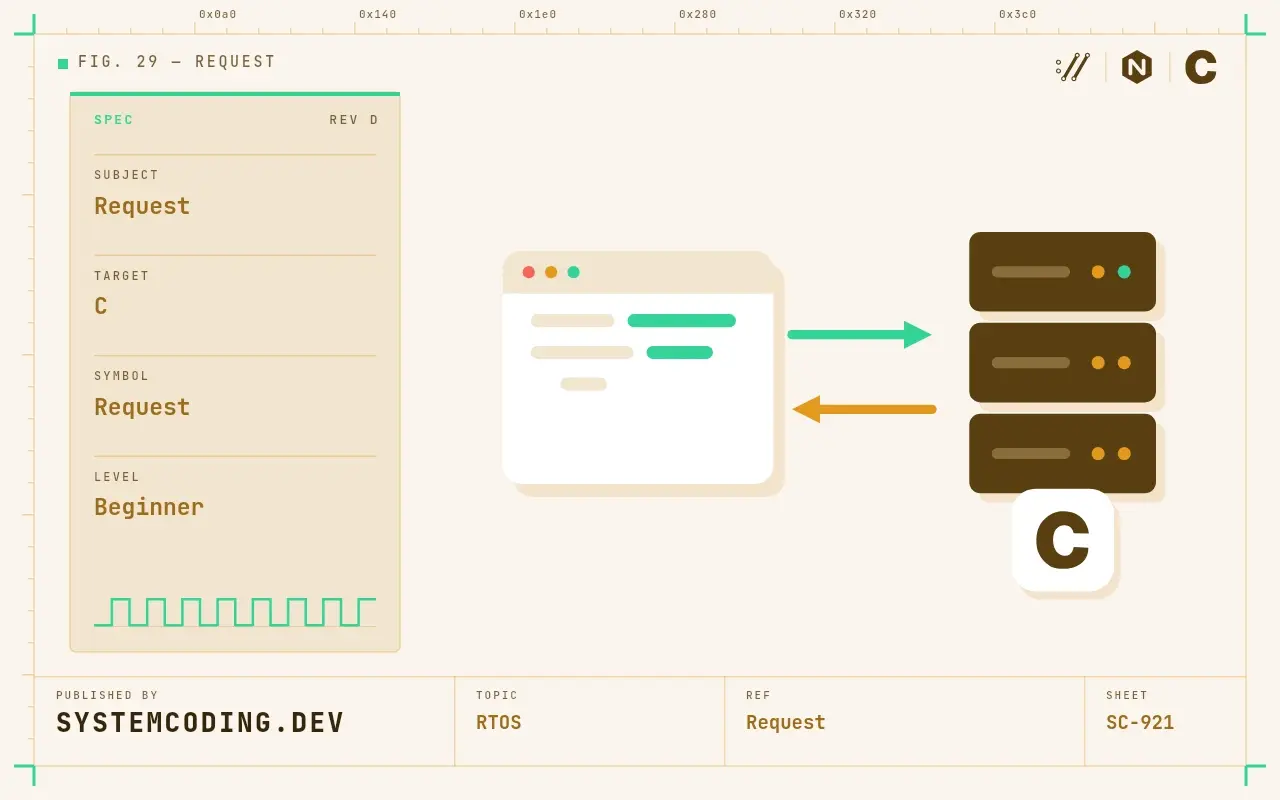
Write an RTEMS 6 program with the Classic API, an Init task, rtems_task_create, rtems_task_wake_after and a confdefs.h configuration, then build and run it.
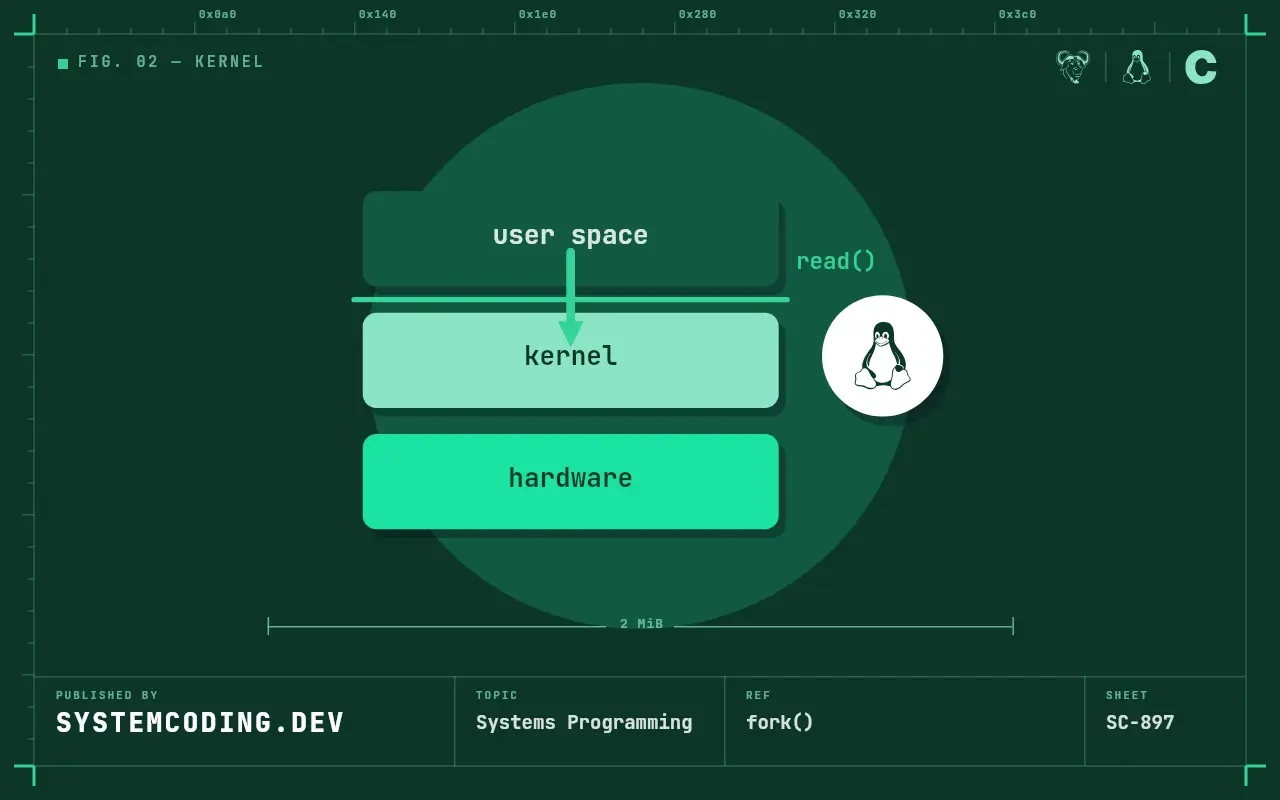
See what zombie and orphan processes are, how each one appears in ps on Linux, why a zombie cannot be killed, and how to fix the parent that causes it.
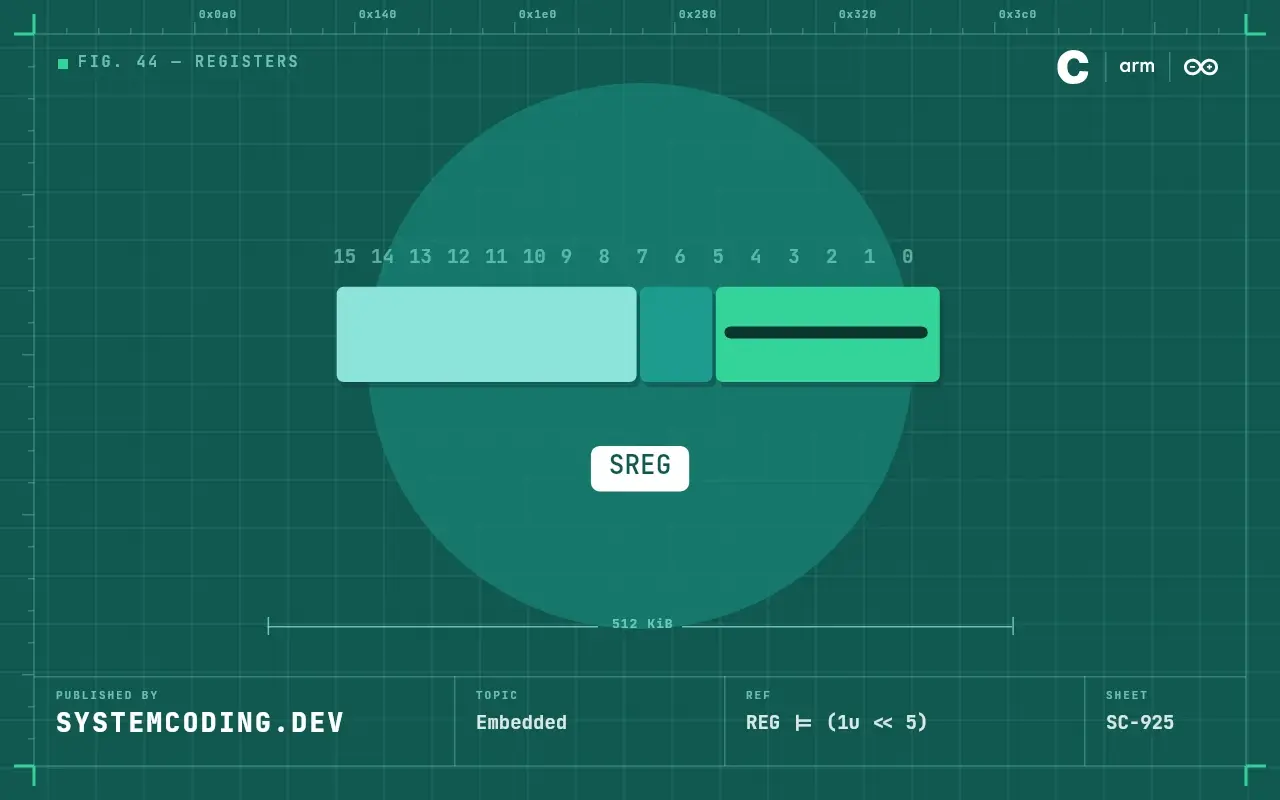
Learn the three AVR port registers on an ATmega328P: DDRx sets direction, PORTx drives output or the pull-up, PINx reads and toggles, with avr-gcc examples.
We send one email when a new post is published. No spam.