Performance
SIMD for Beginners: Vectors, Lanes and Intrinsics
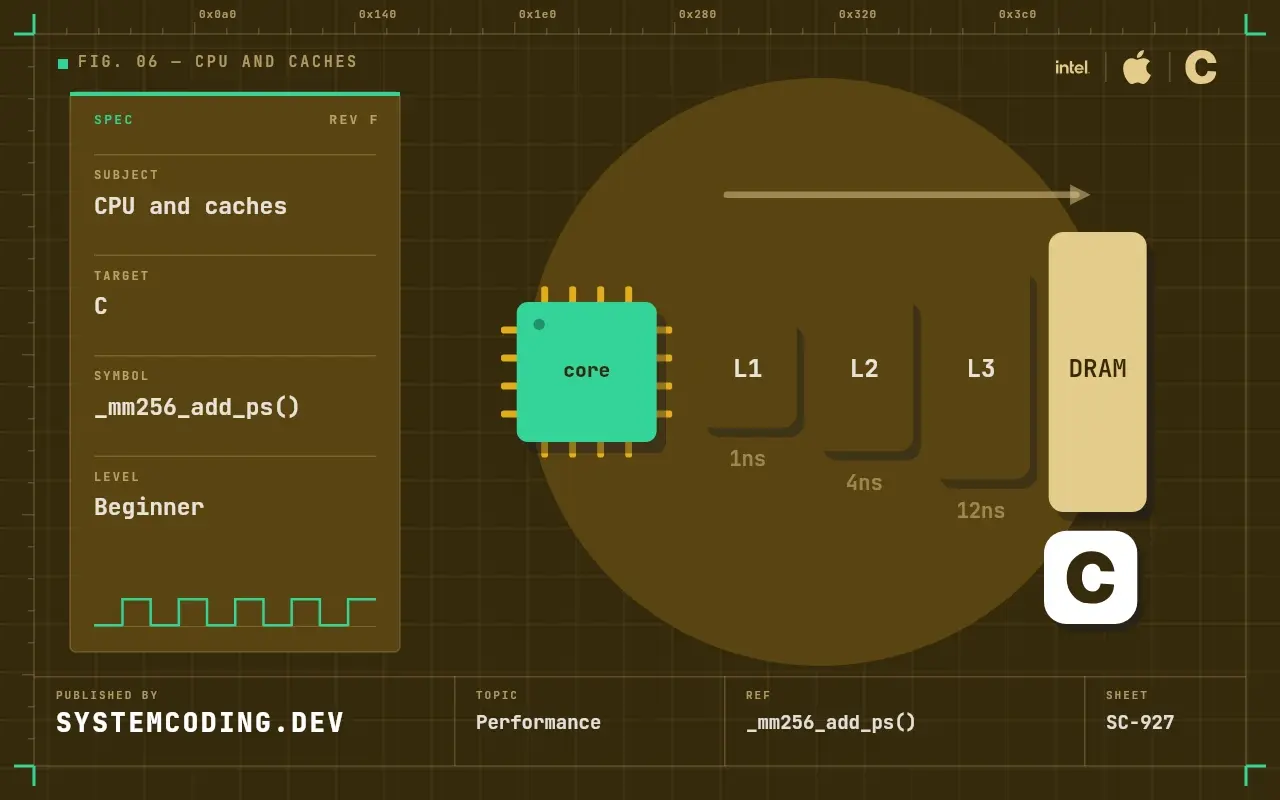
Learn what SIMD means, how a vector register splits into lanes, and how C intrinsics map to instructions, with a first program that adds four floats at once.
6 min read
Everything you need to level up your coding skills.
Learn what SIMD means, how a vector register splits into lanes, and how C intrinsics map to instructions, with a first program that adds four floats at once.
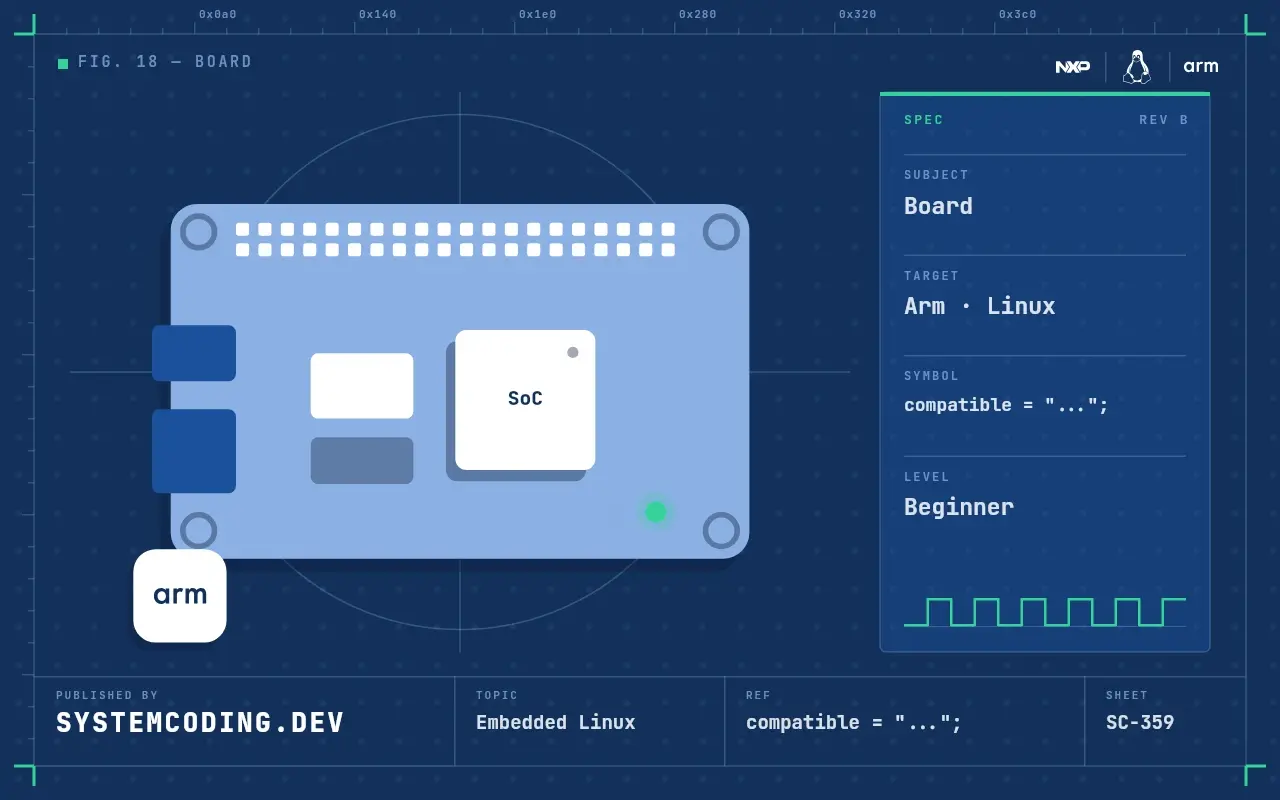
A device tree is a data file that tells the Linux kernel what hardware a board has, because ARM chips cannot be probed. Learn what is in it and why it exists.
Read x86 assembly in Intel and AT&T syntax with a six-rule translation method, a side-by-side table of operands and addressing, and a guide to choosing one.
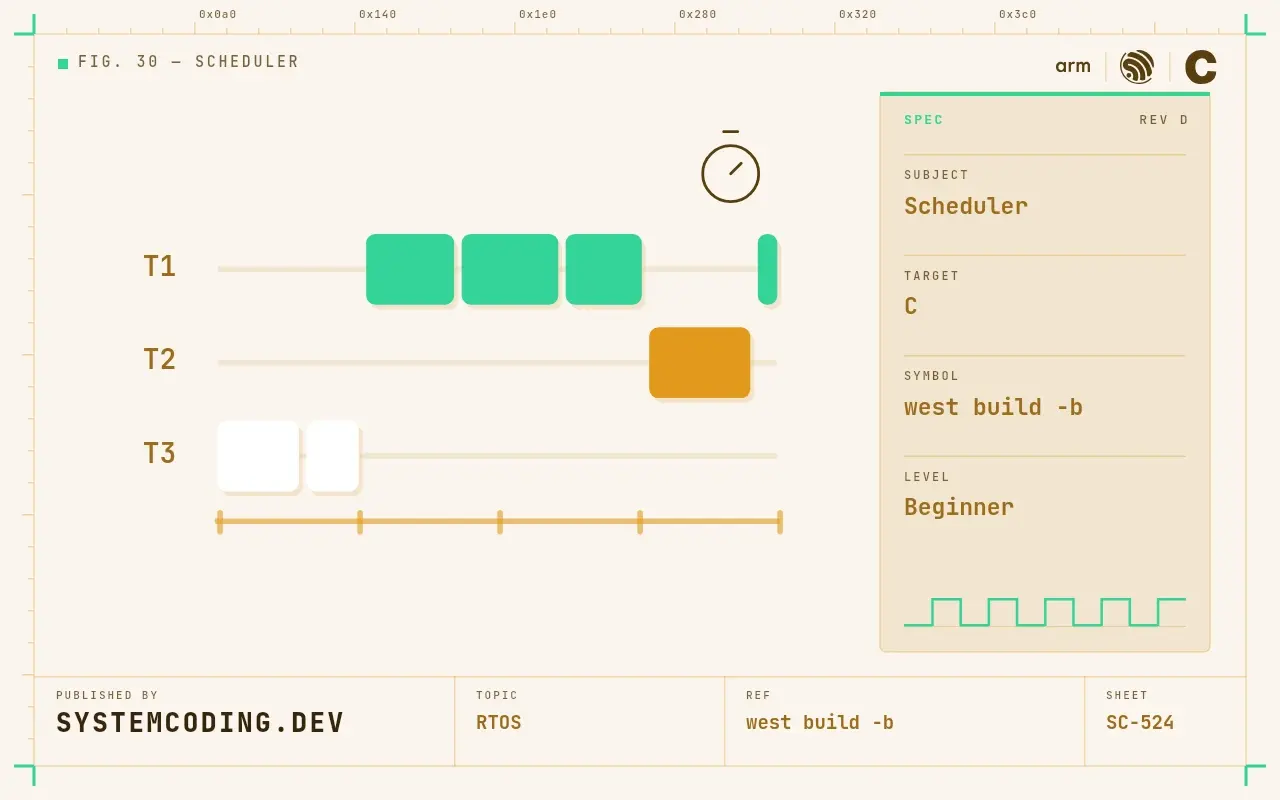
Use K_THREAD_DEFINE to create a Zephyr thread at build time, with stack size, priority and start delay, plus the thread entry signature and how to stop it.
Turn errno into a readable message with perror and strerror in C on Linux with glibc 2.41, and learn when each one fits.
Learn fixed-point arithmetic for firmware in C: Q formats, conversion, multiply and divide, saturation, filters, printing and testing, with verified outputs.
A complete x86-64 kernel core: GDT, IDT, exceptions, PIC and APIC interrupts, timers, a frame allocator, four-level paging, page faults, a heap and PCI.
Open a window with GLFW 3.4 in C, run an event loop, and read the keyboard through a key callback and through polling with glfwGetKey.
Go from Verilog to a flashed iCE40 board with Yosys, nextpnr-ice40, icepack and iceprog, with each command, file and log line explained for a beginner.
Emulation translates a foreign CPU, virtualization runs guest code natively under a hypervisor, and containers share the host kernel. Here is how they differ.
A stack buffer overflow writes past a local array into the data next to it. See how it happens in C, what a canary does, and which habits prevent it.
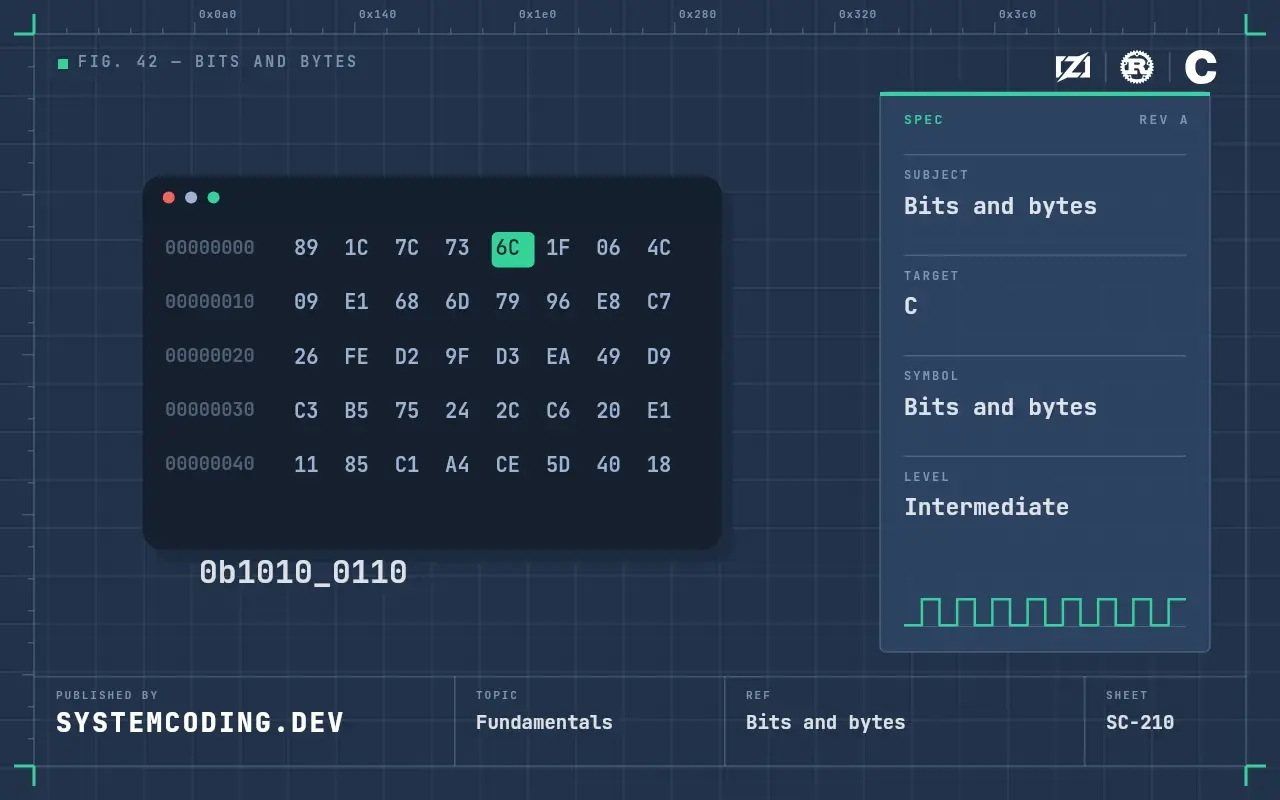
Copy a float into a uint32_t with memcpy, then mask out the sign, exponent and fraction fields to see exactly how IEEE 754 stores it.
We send one email when a new post is published. No spam.