Mainframe
JOB, EXEC and DD Statements Explained With a Working Example
Learn what the JOB, EXEC and DD statements do in z/OS JCL, with a working copy job, a field-by-field walk through, the job log and the common mistakes.
6 min read
Everything you need to level up your coding skills.
Learn what the JOB, EXEC and DD statements do in z/OS JCL, with a working copy job, a field-by-field walk through, the job log and the common mistakes.
A timing loop around a function can report zero, the wrong function or noise. Learn seven mistakes that make native benchmarks lie, with fixes.
A custom image is a recipe that inherits core-image, sets IMAGE_FEATURES and IMAGE_INSTALL, and names the output formats. Here is a complete my-image recipe.
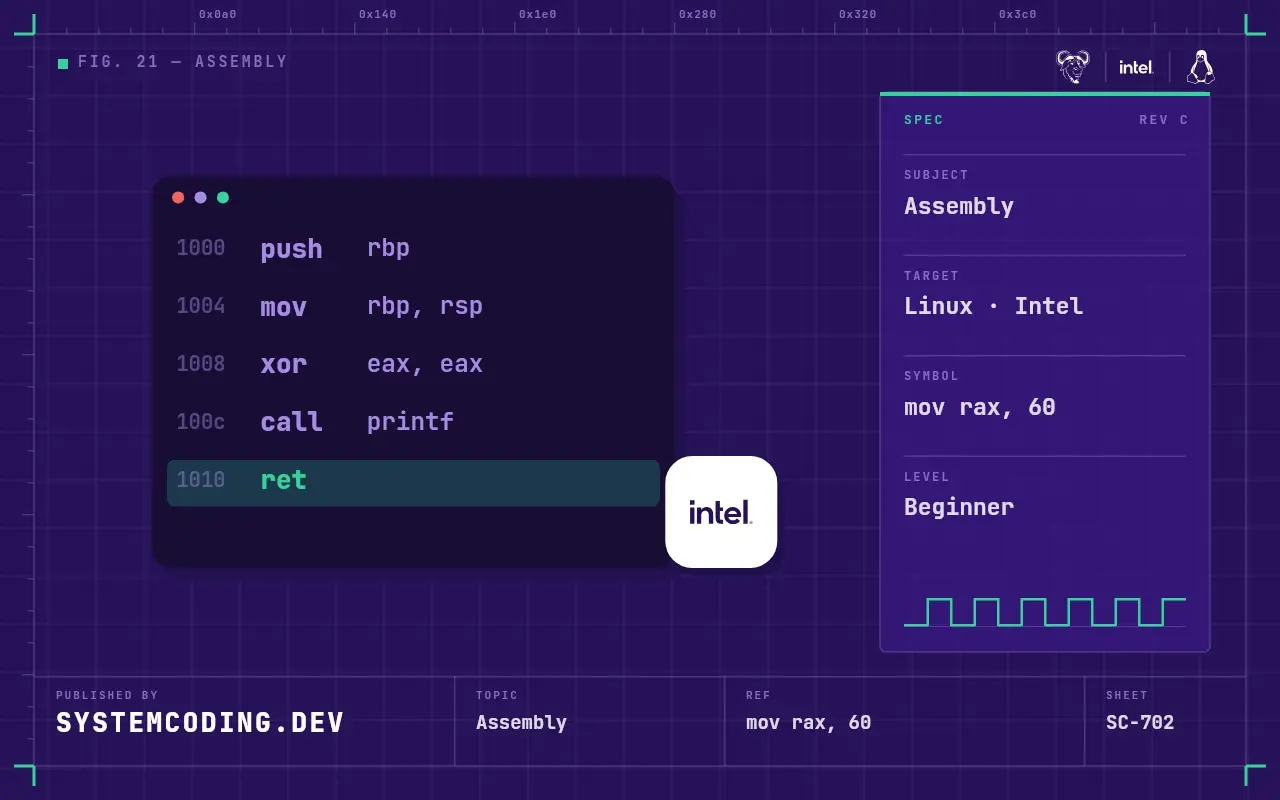
Write a 512-byte boot sector in NASM that sets up segments and a stack, prints a string with BIOS int 0x10 and ends with the 0xAA55 signature, line by line.
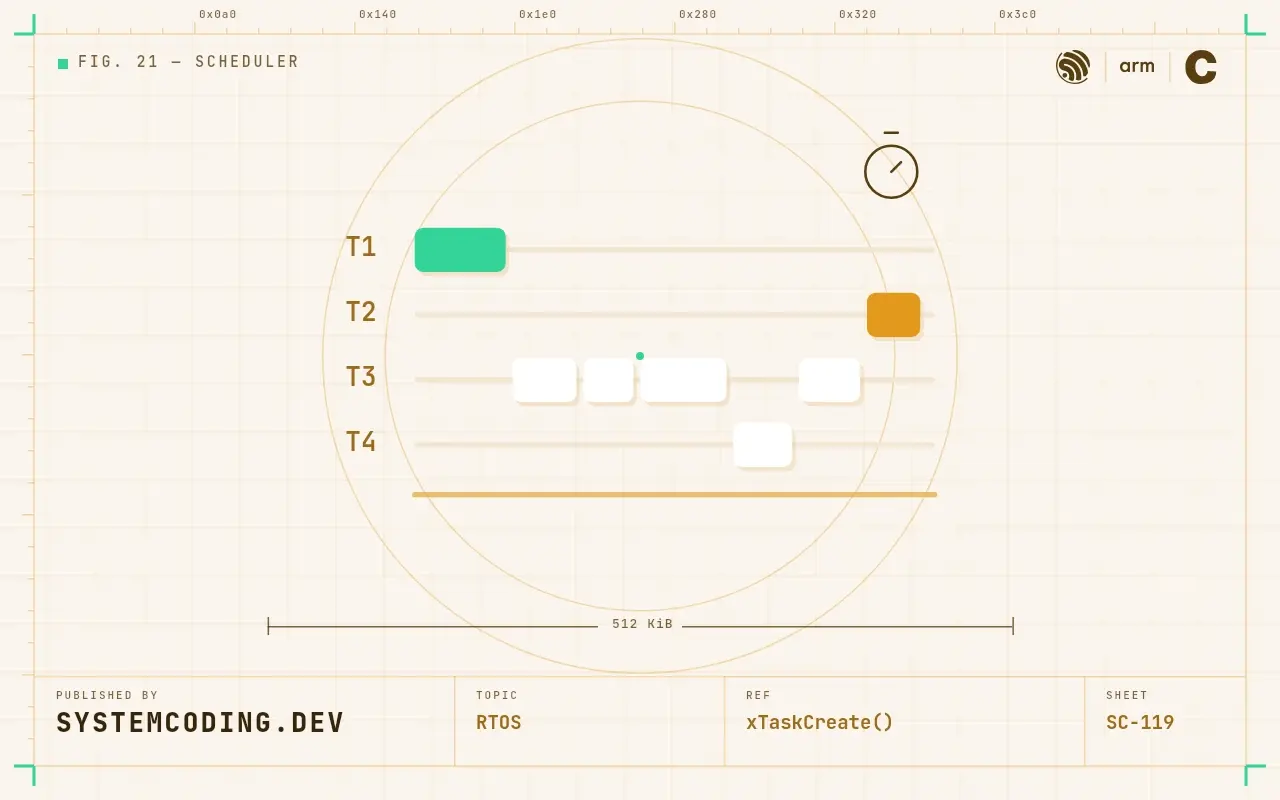
Create FreeRTOS software timers with xTimerCreate: the five arguments, one-shot versus auto-reload, why a new timer is dormant and how to restart a one-shot.
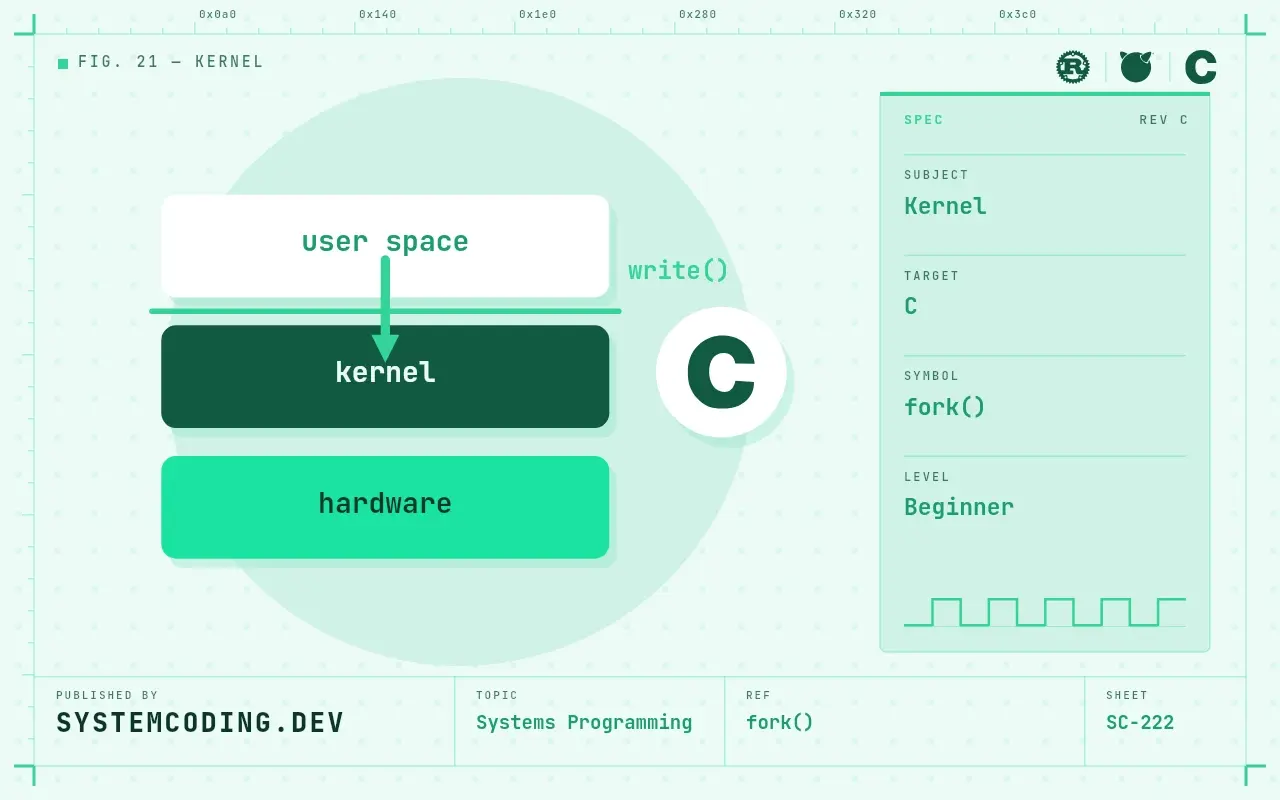
Start a program from C with CreateProcessW, quote the command line correctly, redirect its output to a file, wait with a timeout and avoid handle leaks.
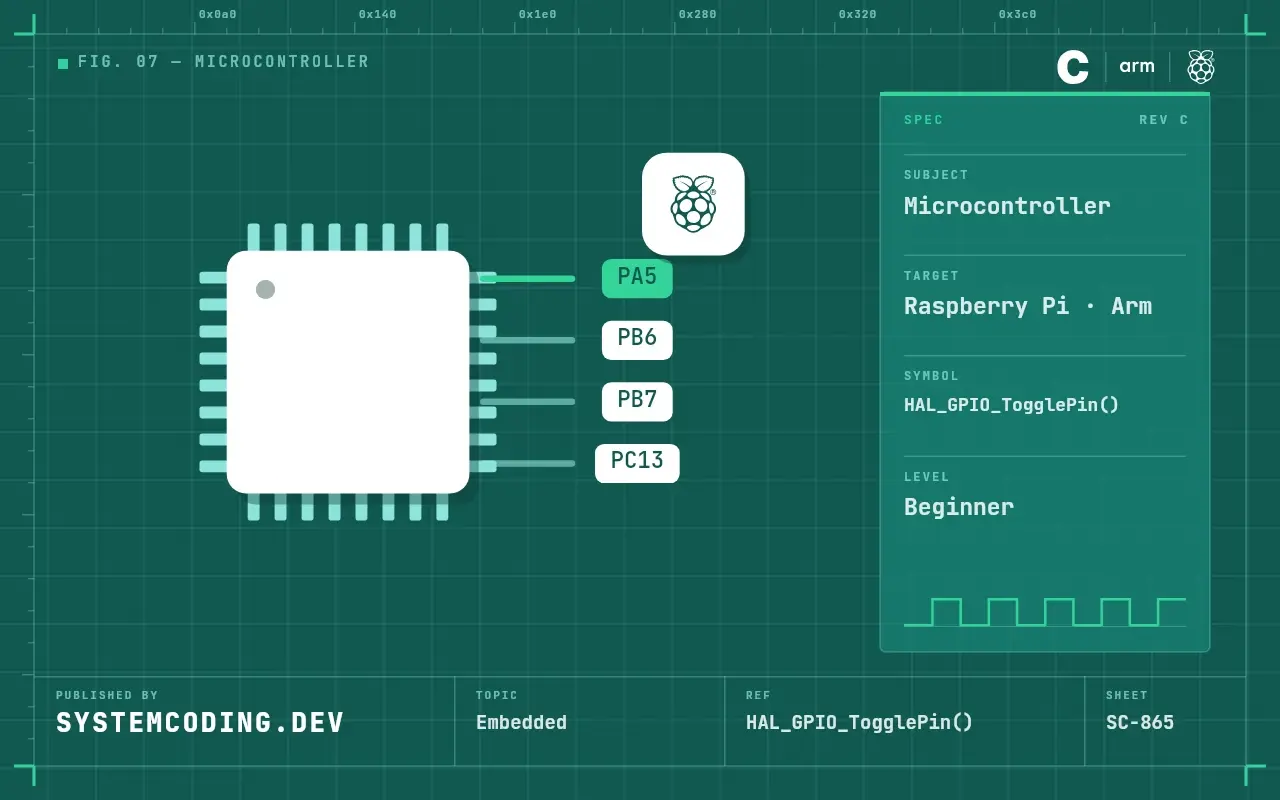
Handle a Pico button press with an RP2040 GPIO interrupt: the event mask, the callback signature, one shared callback for several pins, and a flag for main.
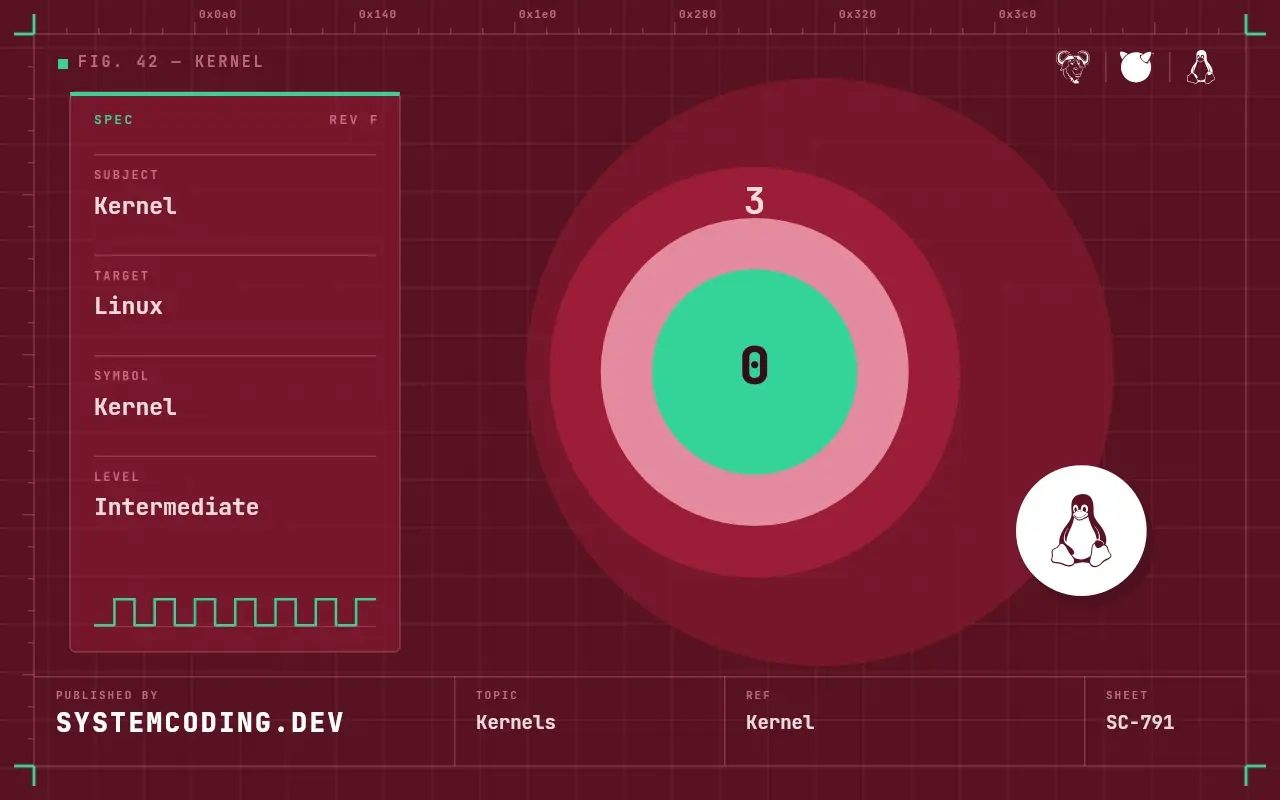
Create an ext4 filesystem inside a plain file, read its superblock with dumpe2fs, and walk inodes and directories with debugfs without mounting anything.
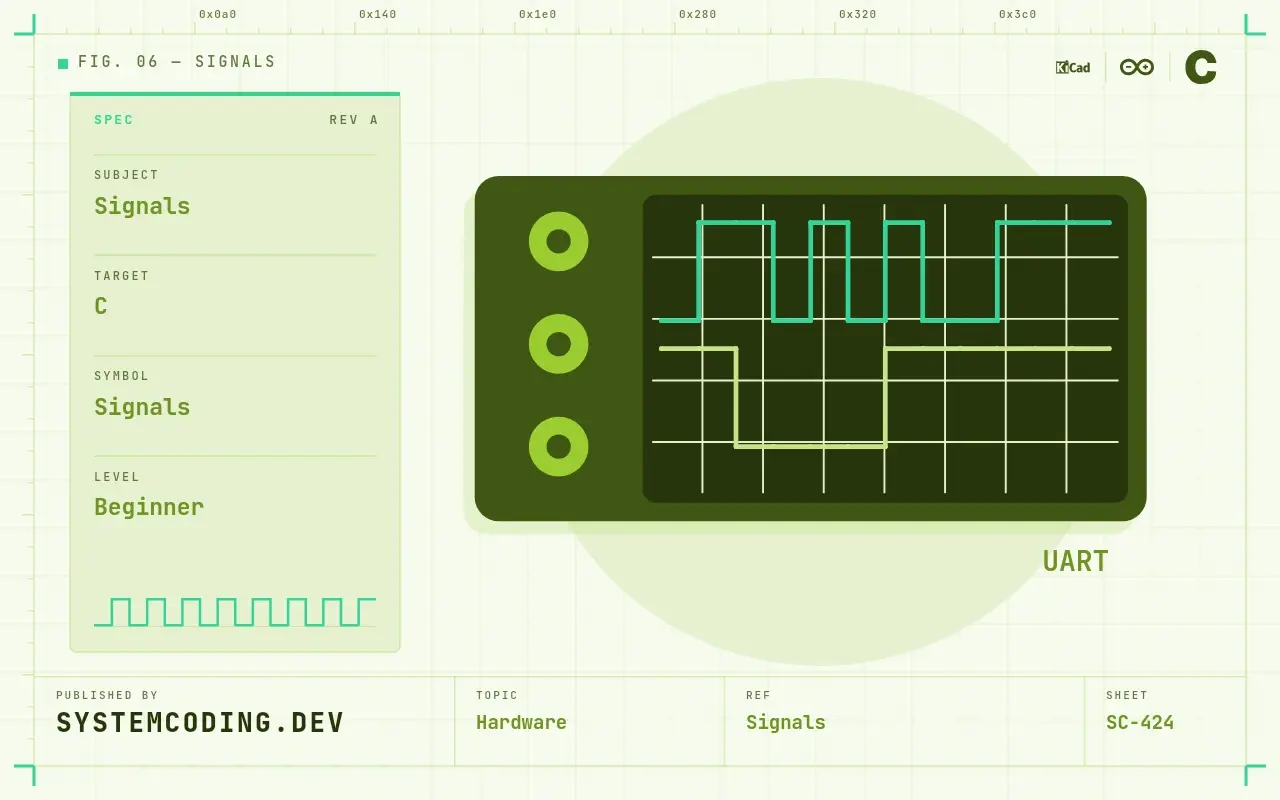
Decode an SPI flash ID read and an I2C TMP102 temperature read by hand from logic analyser captures, with sample points, start, stop and ACK bits explained.
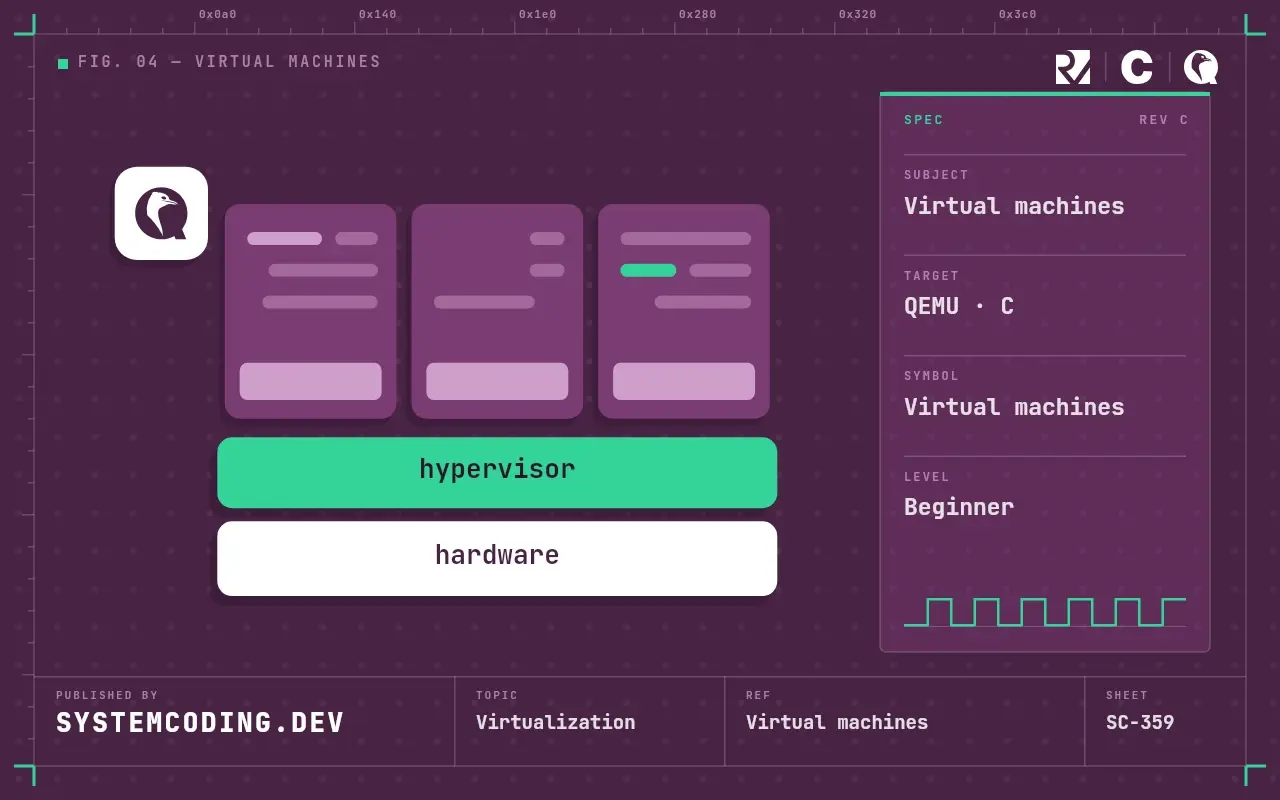
Learn the three-step loop at the heart of every emulator: fetch an opcode, decode its fields, execute its effect, with a complete C example you can follow.
Fuzzing feeds a program mutated inputs and watches for crashes. Coverage feedback keeps inputs that reach new code, so an impossible search becomes short.
Learn why 1 KB can mean 1000 or 1024 bytes, how KiB and MiB settle it, and why a 1 TB drive shows up as 931 GiB, with a C program and numfmt examples.
We send one email when a new post is published. No spam.