Kernels
Develop a PCI Driver Against QEMU's edu Device
Write a PCI driver for QEMU 9.2's educational edu device on Linux 6.12: ID check, liveness register, factorial engine and interrupt, with the register map.
7 min read
Everything you need to level up your coding skills.
Write a PCI driver for QEMU 9.2's educational edu device on Linux 6.12: ID check, liveness register, factorial engine and interrupt, with the register map.
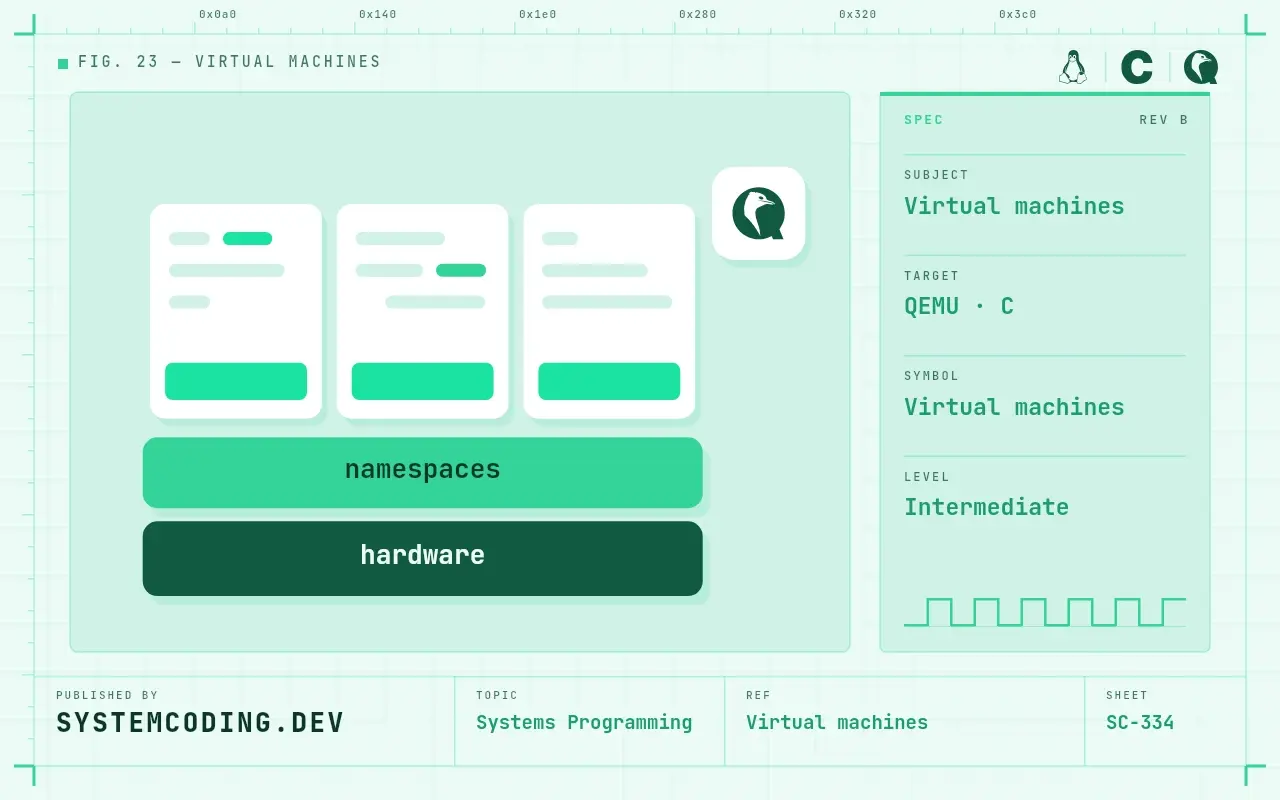
Give a process its own root filesystem using CLONE_NEWNS, a private mount propagation and the pivot_root system call on Linux 6.12, with a complete C program.
Map a PCI BAR on Linux 6.12 with pci_iomap, read and write device registers with ioread32 and iowrite32, check sizes first and avoid the posted-write trap.
Compare ESP32, ESP32-S3, ESP32-C3 and ESP32-C6 on CPU, radios, memory, USB and peripherals, with a decision table for picking one for a new design.
Write a minimal Linux 6.12 PCI driver with a pci_device_id table, probe and remove, pci_enable_device, region claiming, bus mastering and the error unwinding.
Start a process that sees itself as PID 1 using clone with CLONE_NEWPID or unshare plus fork on Linux 6.12, and learn why unshare never moves the caller.
How PCI Express links train, how configuration space and BARs describe a device, and how Linux 6.12 turns that into memory the driver can map and use.
Install ESP-IDF v5.4 on Linux or macOS, source export.sh, build the hello_world example with idf.py and flash it to an ESP32 board over USB.
Use lspci -k on Linux 6.12 to see the kernel driver in use and the modules that could drive each PCI device, and read the same answer from sysfs and modalias.
Install Zephyr 4.1 and its SDK with west on Linux or macOS, build the blinky sample for a Nucleo board, flash it, and learn what each command does.
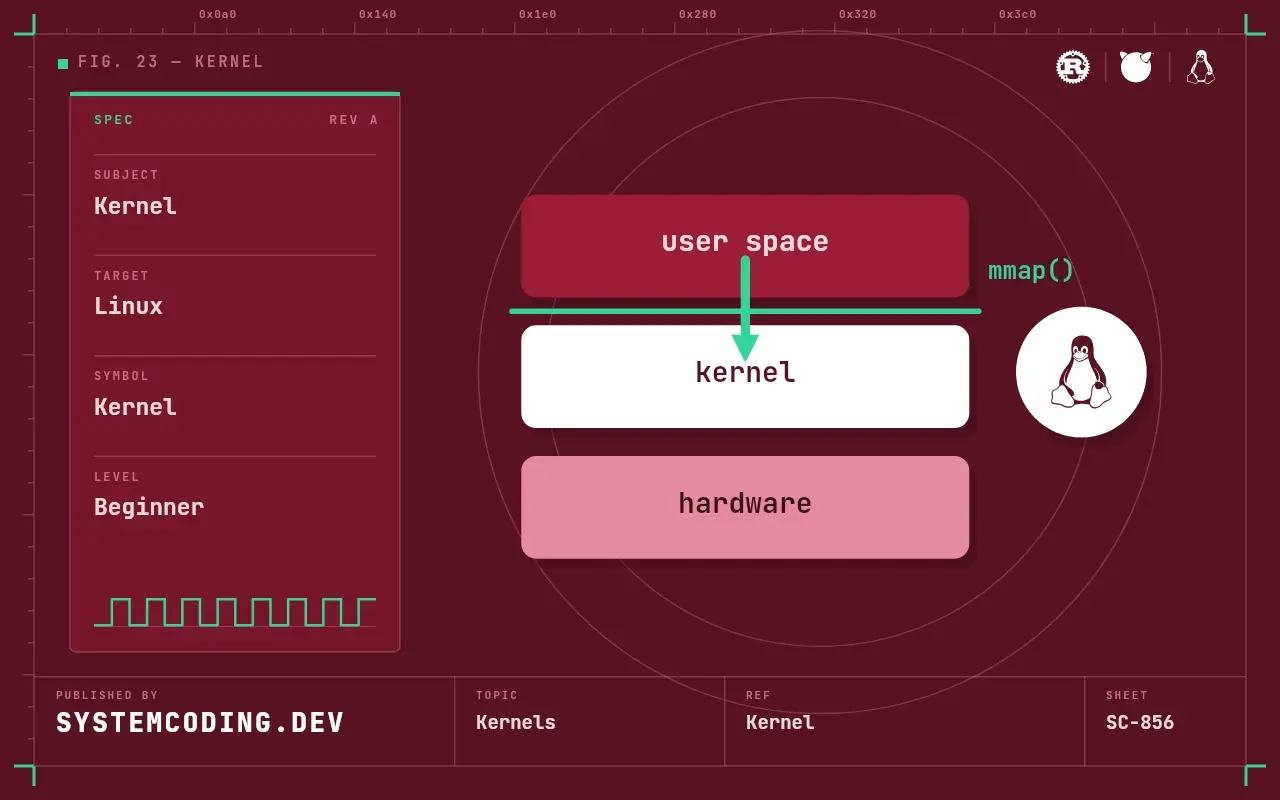
Read and decode PCI configuration space on Linux 6.12 with lspci and setpci from pciutils 3.13, from vendor IDs and BARs to capability lists and link status.
Lower or raise a process's nice value with nice and setpriority on Linux 6.12 and glibc 2.40, handle the -1 return trap, and know when root is required.
We send one email when a new post is published. No spam.