Kernels
Handle USB Disconnect Safely While I/O Is in Flight
Make a Linux 6.12 USB driver survive unplug during reads and writes with kref, an io_mutex, a disconnect flag, usb_poison_urb and anchored URB cancellation.
6 min read
Linux kernel modules and drivers, system calls, schedulers, bootloaders and UEFI, and writing a hobby operating system from the first instruction.
Make a Linux 6.12 USB driver survive unplug during reads and writes with kref, an io_mutex, a disconnect flag, usb_poison_urb and anchored URB cancellation.
Turn a Linux 6.12 board with a USB device controller into a USB serial and Ethernet gadget using configfs and libcomposite, with the exact directory steps.
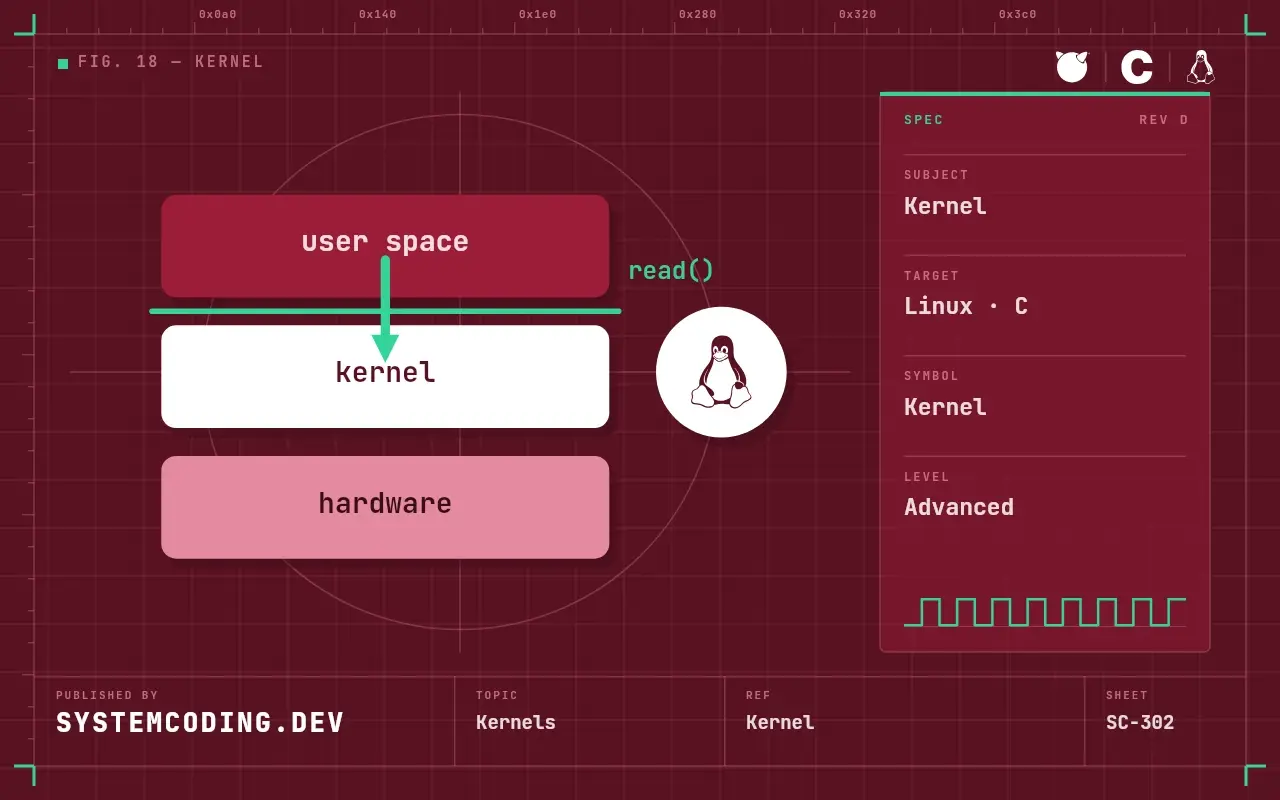
Queue several bulk URBs from a Linux 6.12 driver, limit how many are in flight, and handle completions in atomic context without leaking memory.
Decide between libusb in user space and a Linux 6.12 kernel USB driver by latency, device class, security, deployment and what else needs to see the device.
Send vendor and standard USB control requests from a Linux 6.12 driver with usb_control_msg and the safer usb_control_msg_recv and usb_control_msg_send helpers.
Send and receive bulk data from a Linux 6.12 USB driver with usb_bulk_msg: pipes, DMA-safe buffers, timeouts, short transfers and how to recover from a stall.
Build the smallest working Linux 6.12 USB driver: an id_table, probe and disconnect callbacks, per-interface state, and the module_usb_driver registration.
Use lsusb -t on Linux 6.12 to see the USB topology, the speed of each port and the kernel driver bound to every interface, plus the sysfs files behind it.
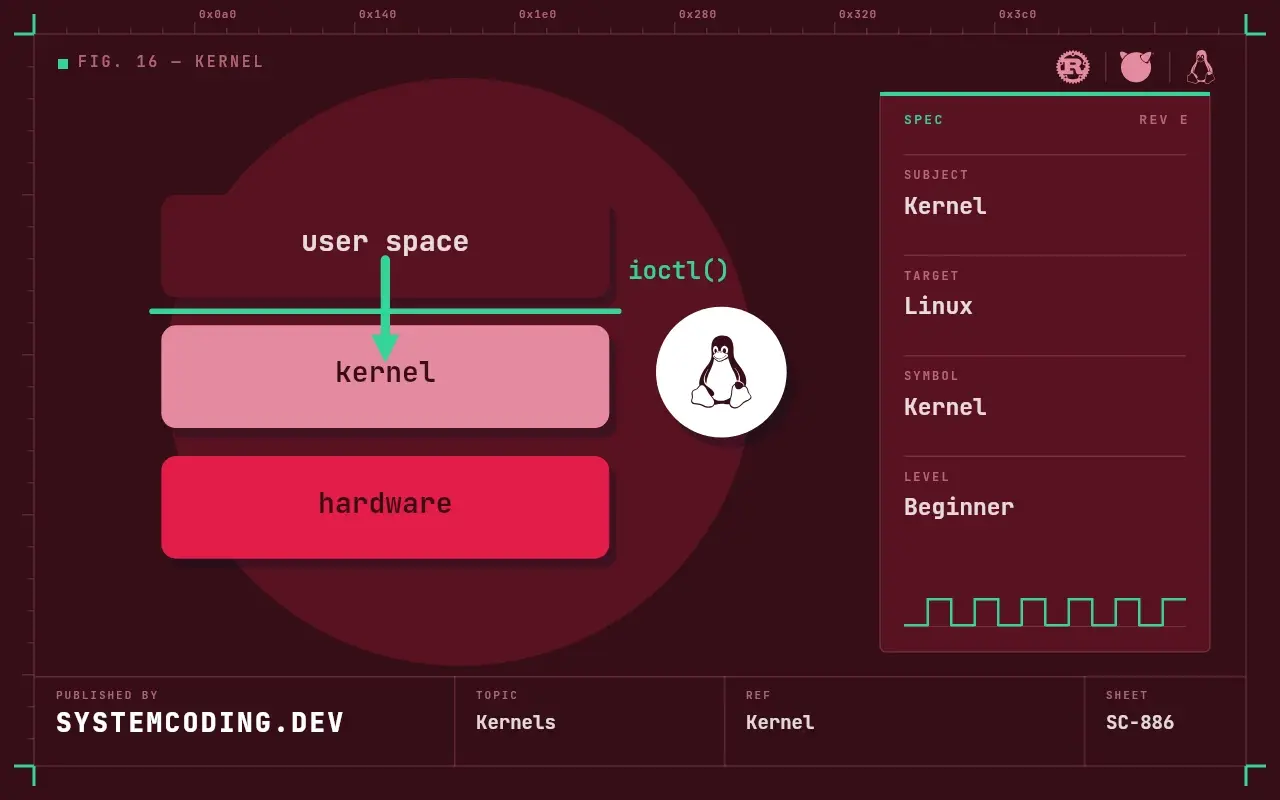
How a USB device is organized into configurations, interfaces and endpoints, and how Linux 6.12 shows that tree in sysfs and hands each interface to a driver.
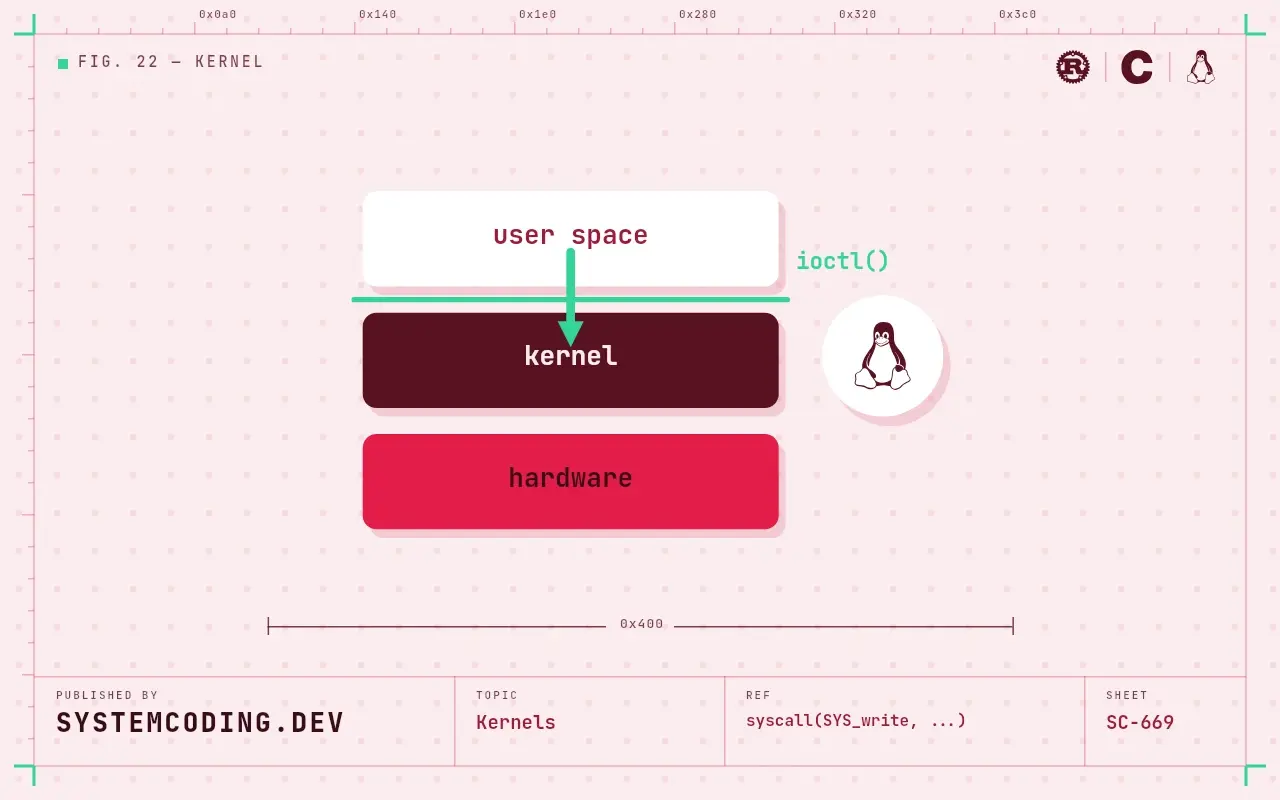
Detect a missing system call by trying it once, treating ENOSYS and seccomp EPERM as absent, caching the answer and falling back, shown with close_range.
Compare Linux system calls on x86-64, ARM64 and RISC-V: the trap instruction, number register, argument registers and the same hello program in each.
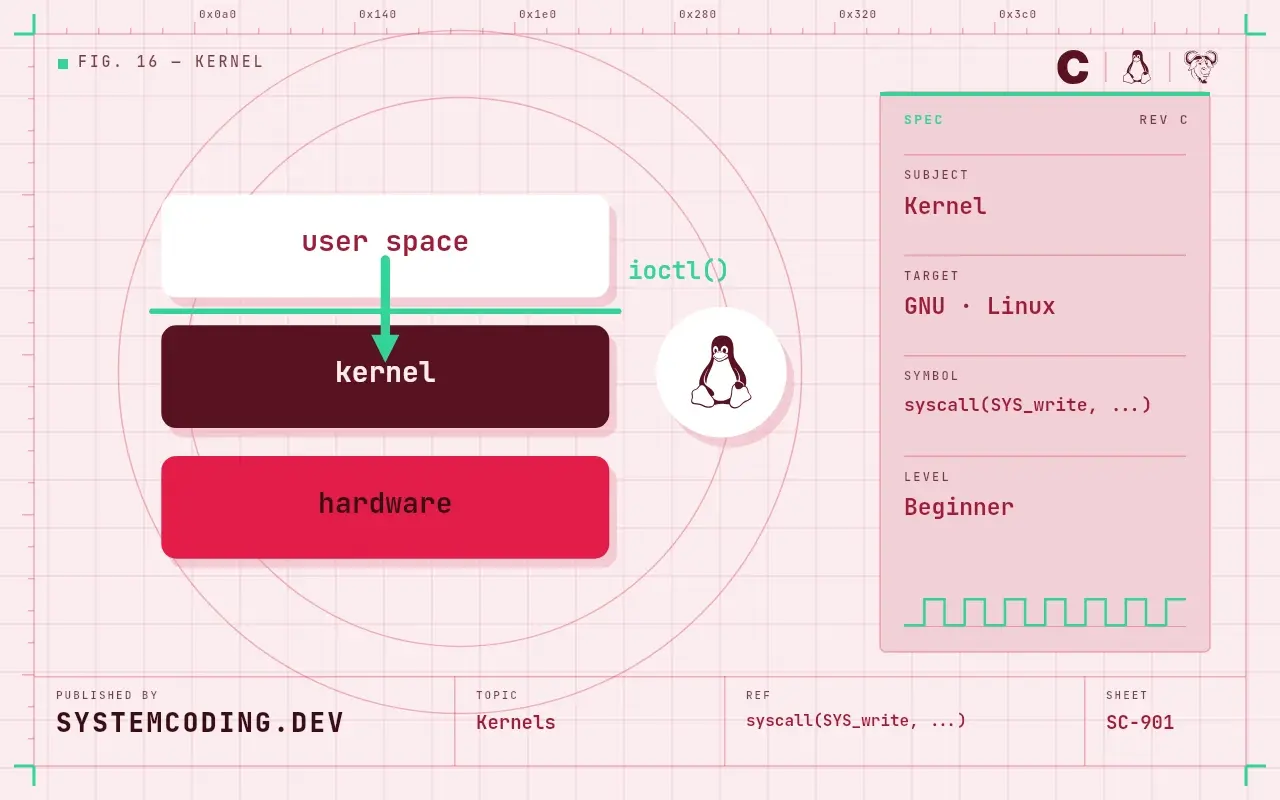
glibc wrappers are not thin pass-throughs. See how open becomes openat, exit becomes exit_group, fork becomes clone, and which calls never reach the kernel.
We send one email when a new post is published. No spam.