Virtualization
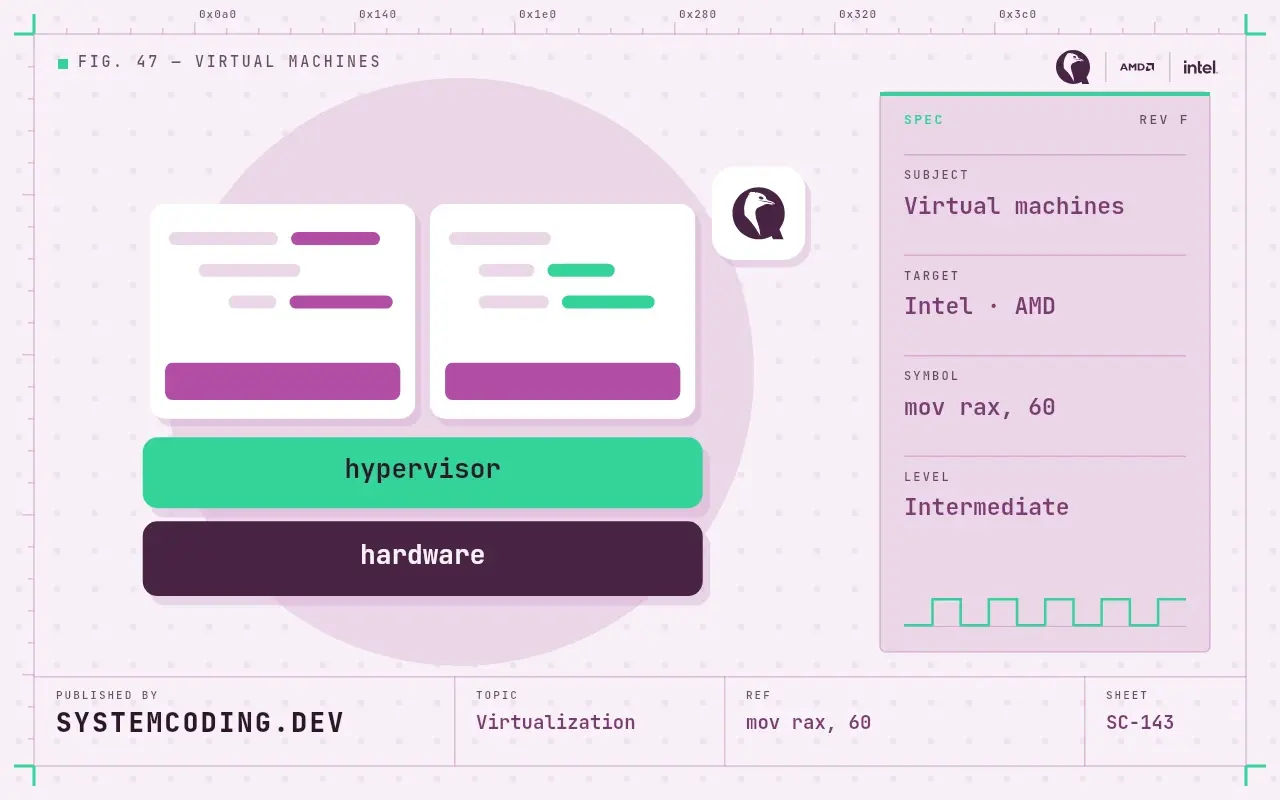
How Hardware Virtualization Works: Intel VT-x and AMD-V
How VMX and SVM add a guest mode to x86 processors, what the VMCS and VMCB hold, why VM exits happen and how nested paging removes shadow page tables.
9 min read
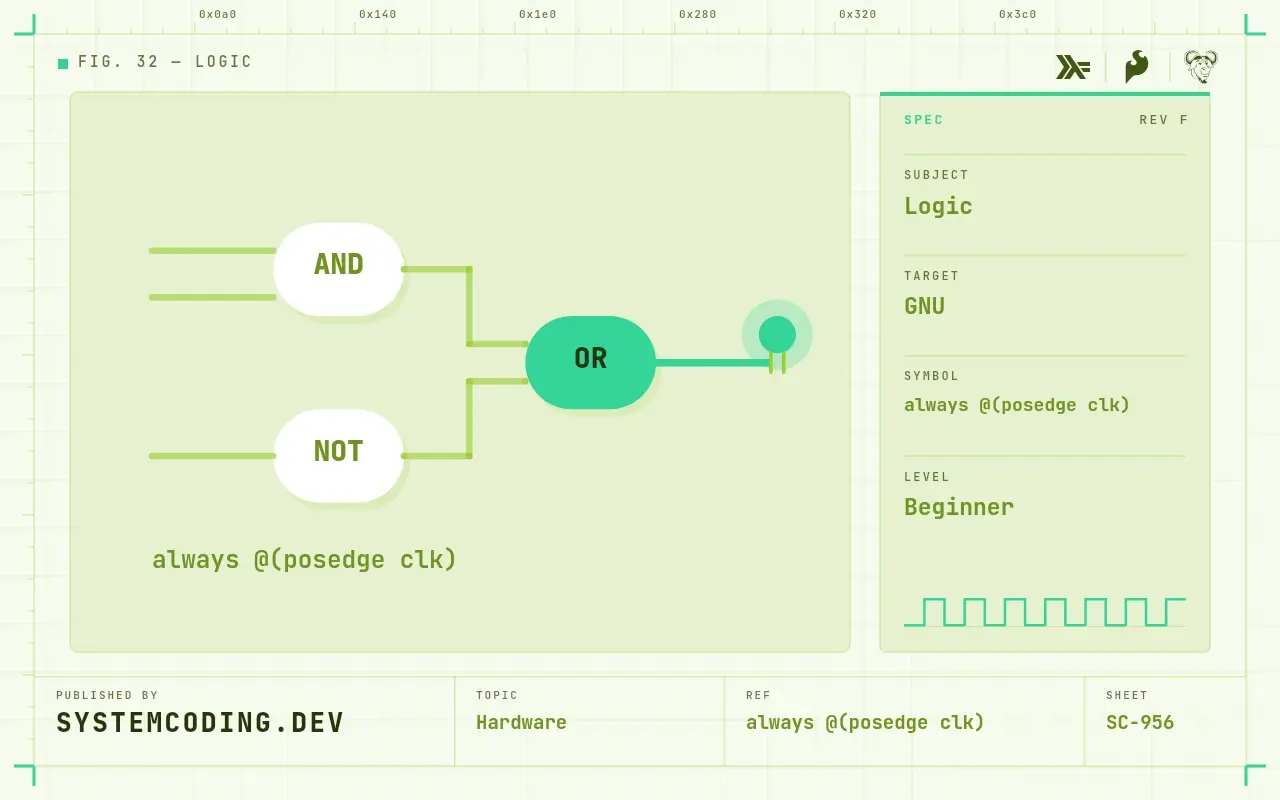
Verilog, VHDL and Clash on FPGAs, soft cores, buses and peripherals, and reading datasheets, reference manuals and schematics like a firmware engineer.
How VMX and SVM add a guest mode to x86 processors, what the VMCS and VMCB hold, why VM exits happen and how nested paging removes shadow page tables.
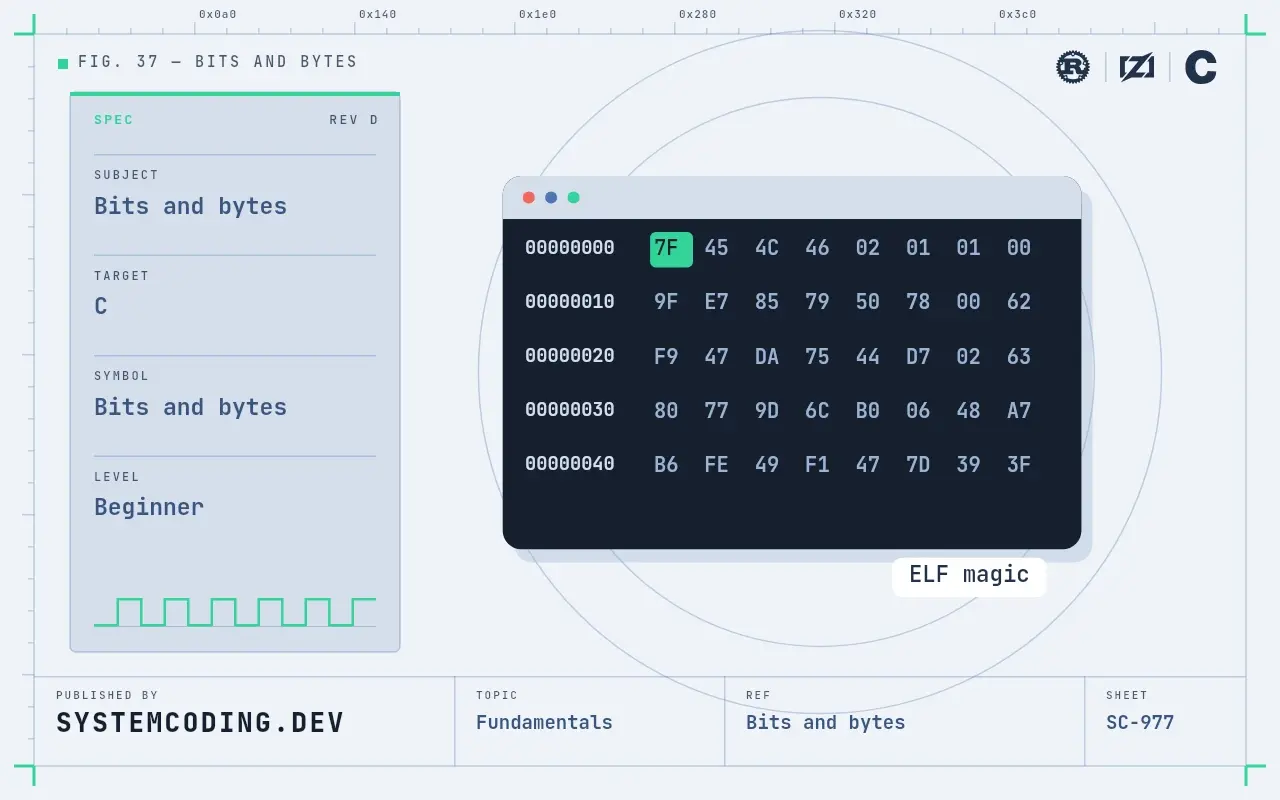
A clock cycle is one tick of the signal that paces a processor. Learn what GHz measures, why it is not performance, and how to convert cycles to time in C.
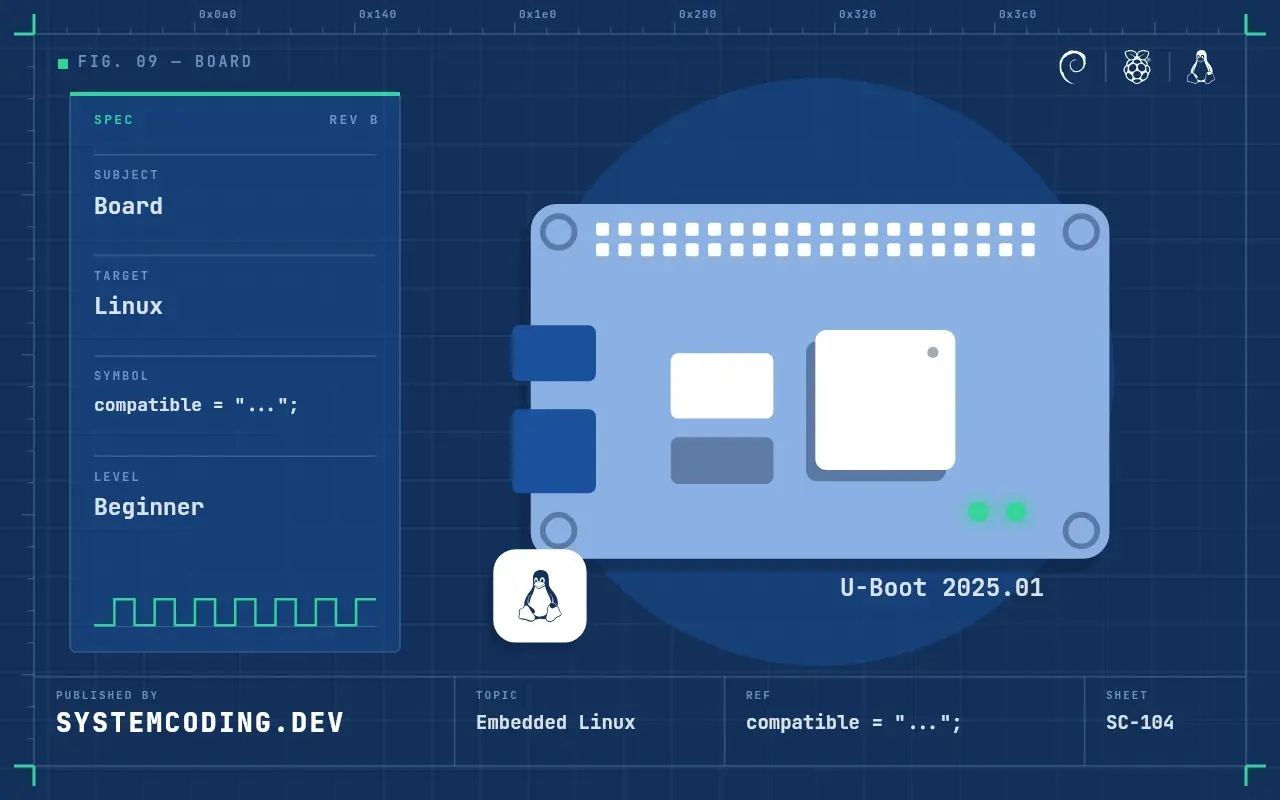
Add a TMP102 temperature sensor to an I2C bus in a device tree with compatible, reg and status, then check that Linux bound the driver and exposes a reading.
Understand the three stages that turn Verilog into an FPGA bitstream: synthesis to LUTs, place and route onto the fabric, and the configuration bits.
Learn why computers use layers of memory from registers to storage, how a cache line works, and how to read your own machine's cache sizes with a C program.
Build and load a design for a Lattice ECP5 board such as the ULX3S with synth_ecp5, nextpnr-ecp5, ecppack and openFPGALoader, with an LPF constraint file.
Learn what registers, the ALU and the control unit do inside a CPU, with a small C model of an 8-bit ALU and its status flags that you can read line by line.
Go from Verilog to a flashed iCE40 board with Yosys, nextpnr-ice40, icepack and iceprog, with each command, file and log line explained for a beginner.
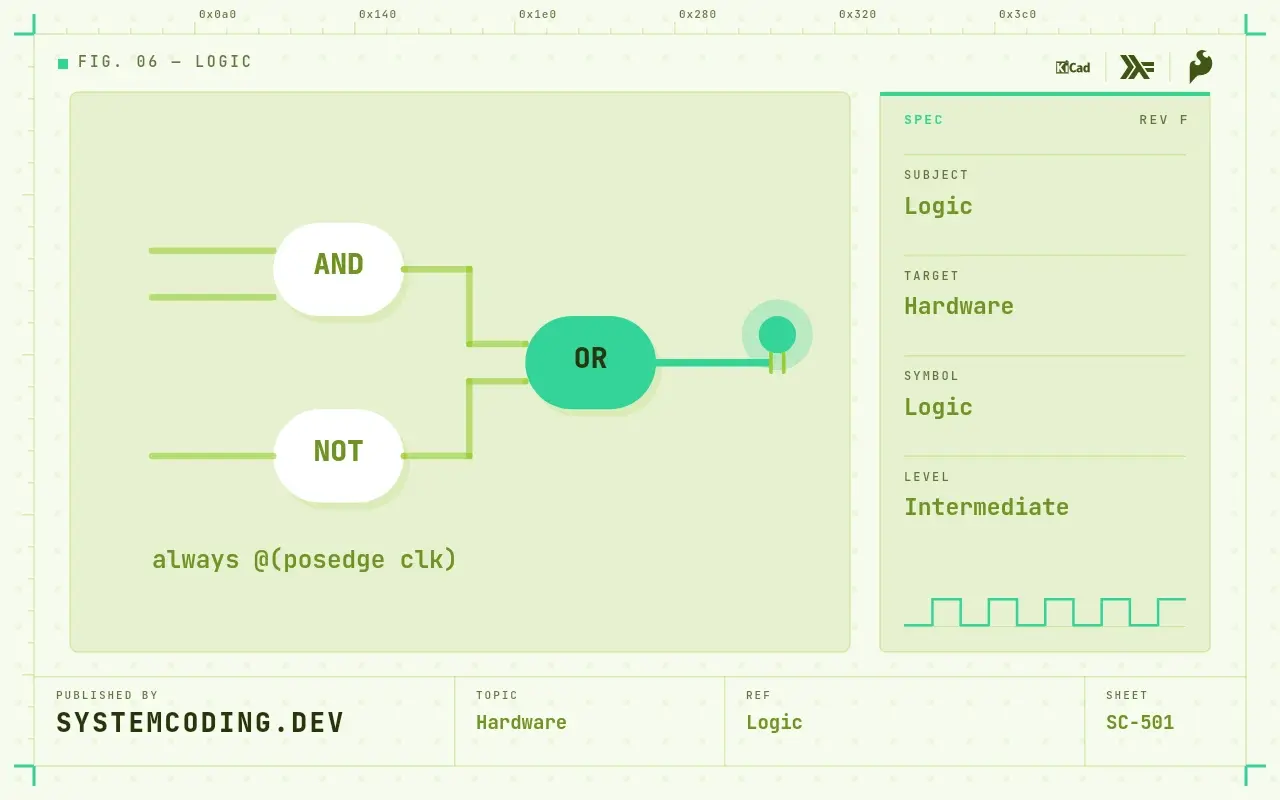
Write a VHDL counter with an entity, an architecture and a clocked process using numeric_std, then simulate it with GHDL and read the printed result.
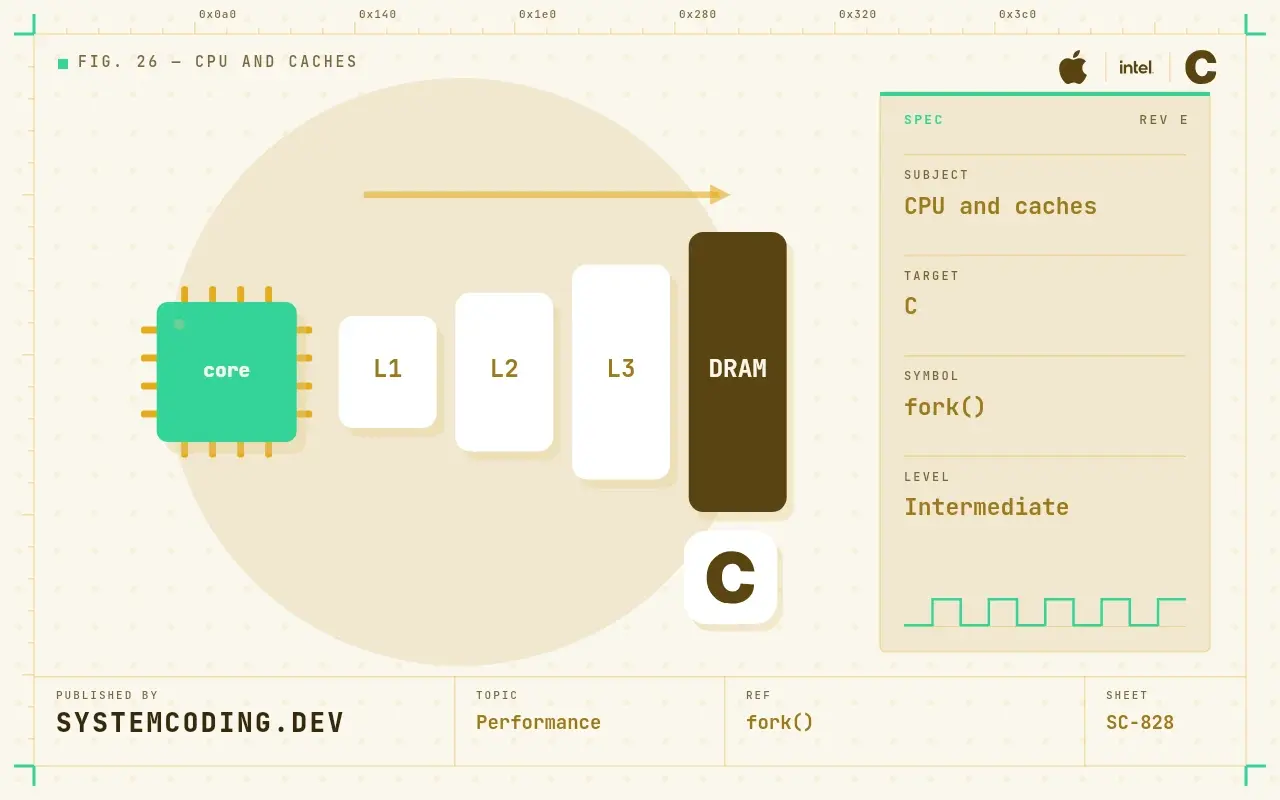
Pin a process and its memory to one NUMA node with numactl --cpunodebind and --membind, compare it with --interleave and --preferred, and verify placement.
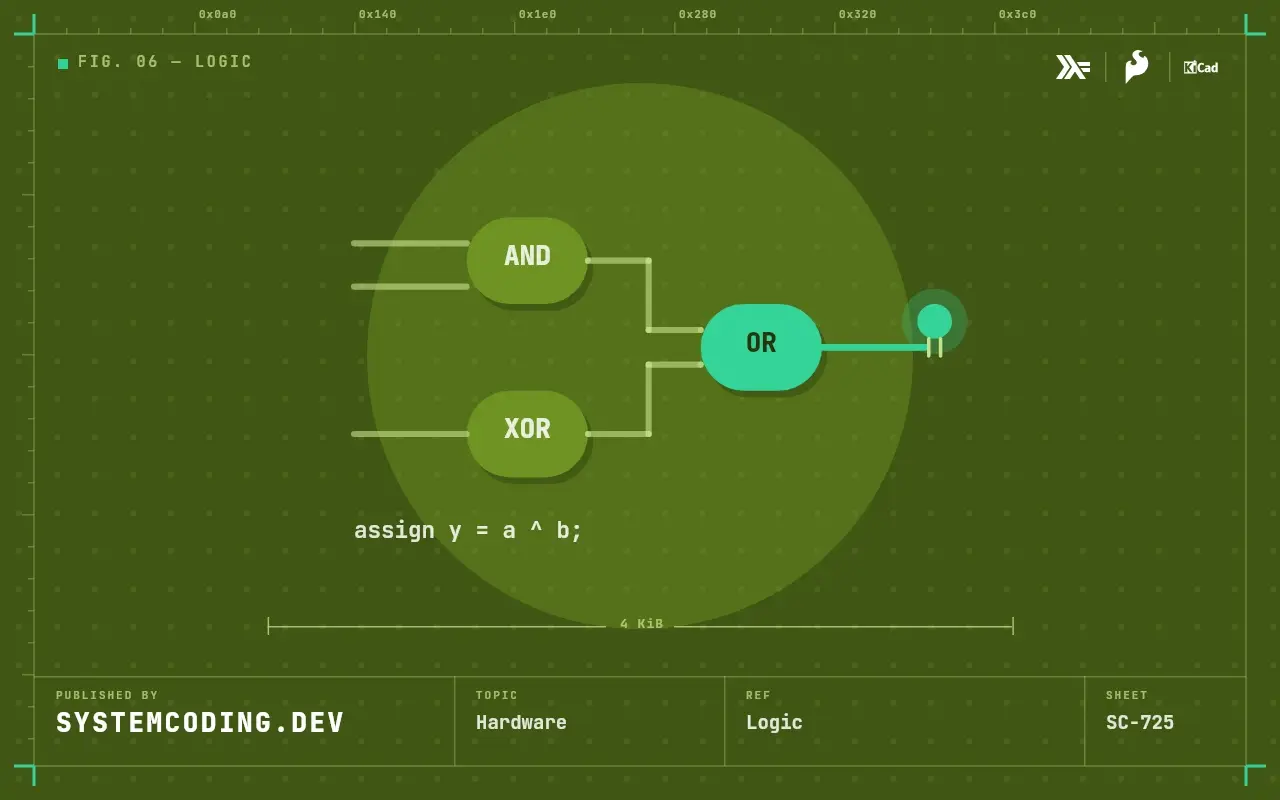
Replace Verilog reg, wire and always @* with SystemVerilog logic, always_ff and always_comb, so the tools check your intent and catch latches early.
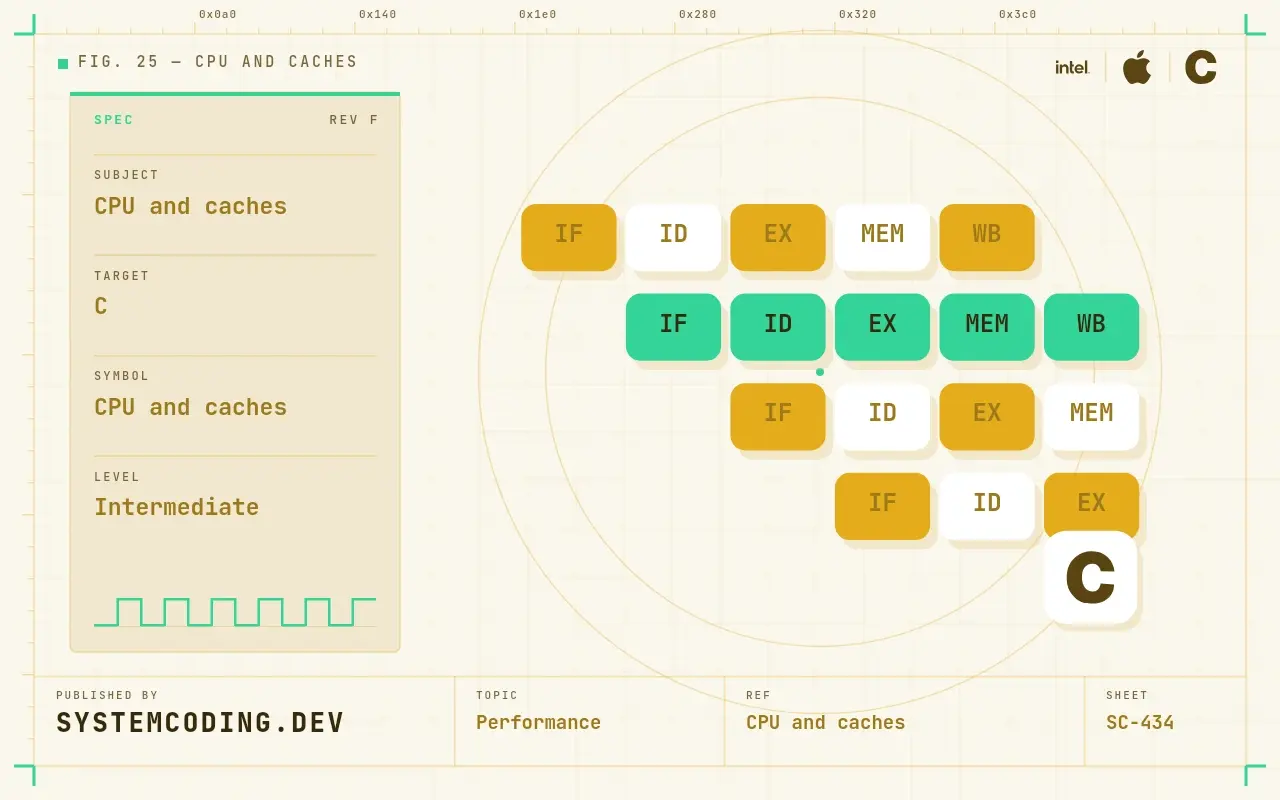
Read a machine's NUMA nodes, per-node memory and distance matrix with numactl --hardware, then see caches and devices with lstopo from hwloc on Linux.
We send one email when a new post is published. No spam.